
RTX 5060 review covering gaming performance, 1080p and 1440p benchmarks, DLSS 4, ray tracing, power efficiency, VRAM limitations, and whether Nvidia’s new GPU is worth buying.
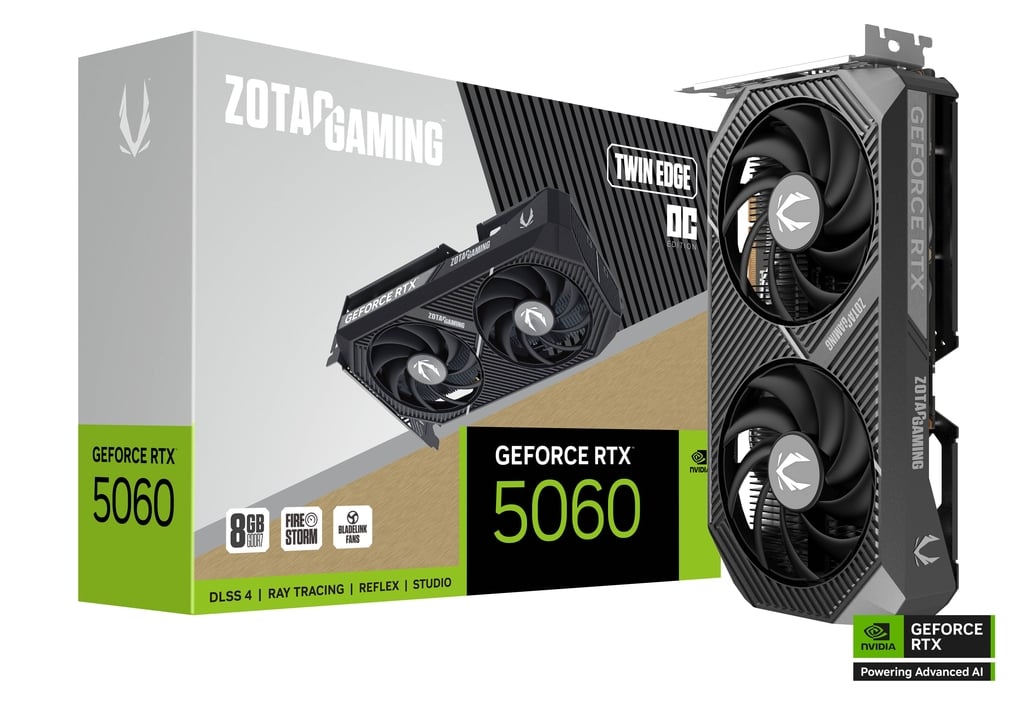
At around $300–380, the RTX 5060 is Nvidia’s latest mid-range GPU and easily one of the most talked about cards right now for people looking for a solid gpu for 1080p gaming. On paper, it looks like a pretty safe upgrade — better efficiency, DLSS 4 support, and smoother performance than the older RTX 4060. But the big question is whether it’s actually worth buying.
Because right now, AMD’s RX 9060 XT is offering more VRAM and often better raw FPS for around the same price. So naturally, a lot of people are wondering if the RTX 5060 is really the smarter buy or if Nvidia is relying too much on DLSS and software features again.
What makes the RTX 5060 interesting is that it doesn’t try to be the fastest GPU. Instead, it focuses more on balance — stable performance, lower power usage, and a smoother overall gaming experience. For some people, thats honestly more important than getting a few extra FPS.
So, is the RTX 5060 actually worth it for 1080p gaming in 2026?
Let’s find out.
What is the RTX 5060
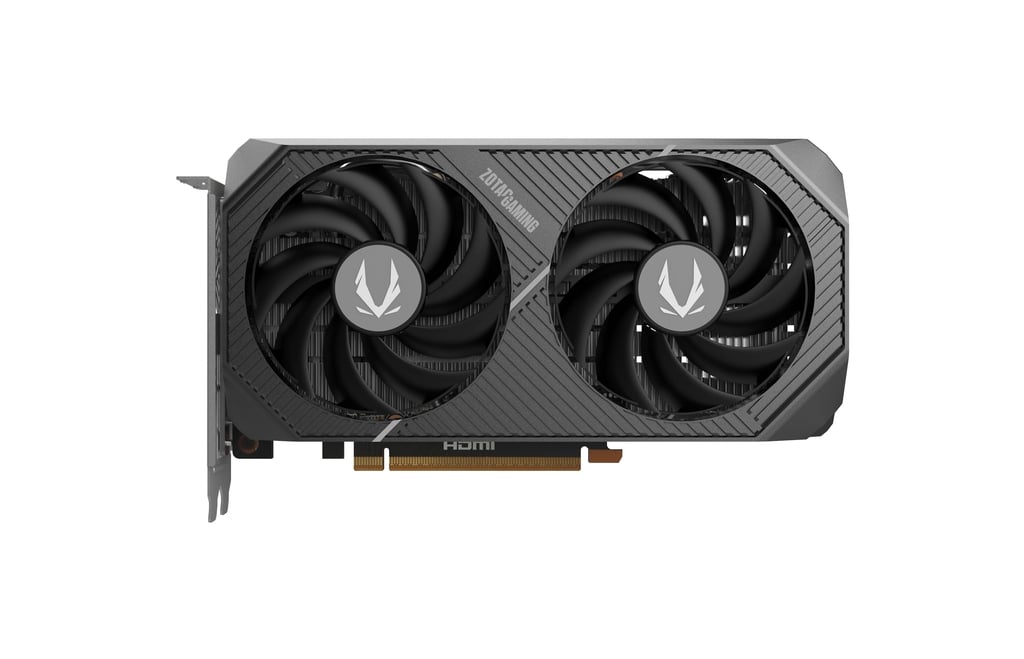
Released in 2025, the RTX 5060 is Nvidia’s newer mid-range graphics card built on the Blackwell architecture. It sits somewhere in the middle of Nvidia’s lineup — below the expensive high-end cards, but still powerful enough for most people playing at 1080p.
This card is mainly aimed at gamers who want good performance without spending way too much money on something overkill. For 1080p gaming, thats honestly where cards like this make the most sense anyway.
The main thing that makes the RTX 5060 interesting right now is DLSS 4 with Frame Generation. Nvidia is pushing AI features really hard now, and in supported games, DLSS can boost FPS a lot while still keeping games looking smooth. That’s honestly one of the biggest reasons Nvidia cards still stay so popular, even when AMD sometimes gives more raw FPS for the money.
Key Specs
The RTX 5060 specs are pretty solid for a mid-range card. You get the newer GDDR7 memory, DLSS 4 support, decent power efficiency, and enough performance for basically any 1080p game right now. The only thing people are really complaining about is the 8GB VRAM. For current 1080p gaming its still mostly okay, but for newer AAA games a few years later, thats where it might start feeling limited. Apart from that, there honestly isnt much wrong with the specs themselves.
| Spec | RTX 5060 |
|---|---|
| VRAM | 8GB GDDR7 |
| Architecture | Blackwell |
| TDP | ~180W |
| DLSS | DLSS 4 |
| Frame Generation | Yes |
| Release Year | 2025 |
| Price | $350-380 |
The DLSS 4 is probably the biggest reason people still go with Nvidia. In supported games, DLSS can boost FPS a lot while still keeping the game looking surprisingly good. Frame Generation helps too, specially in heavier AAA titles where getting extra smoothness actually makes a noticeable difference.
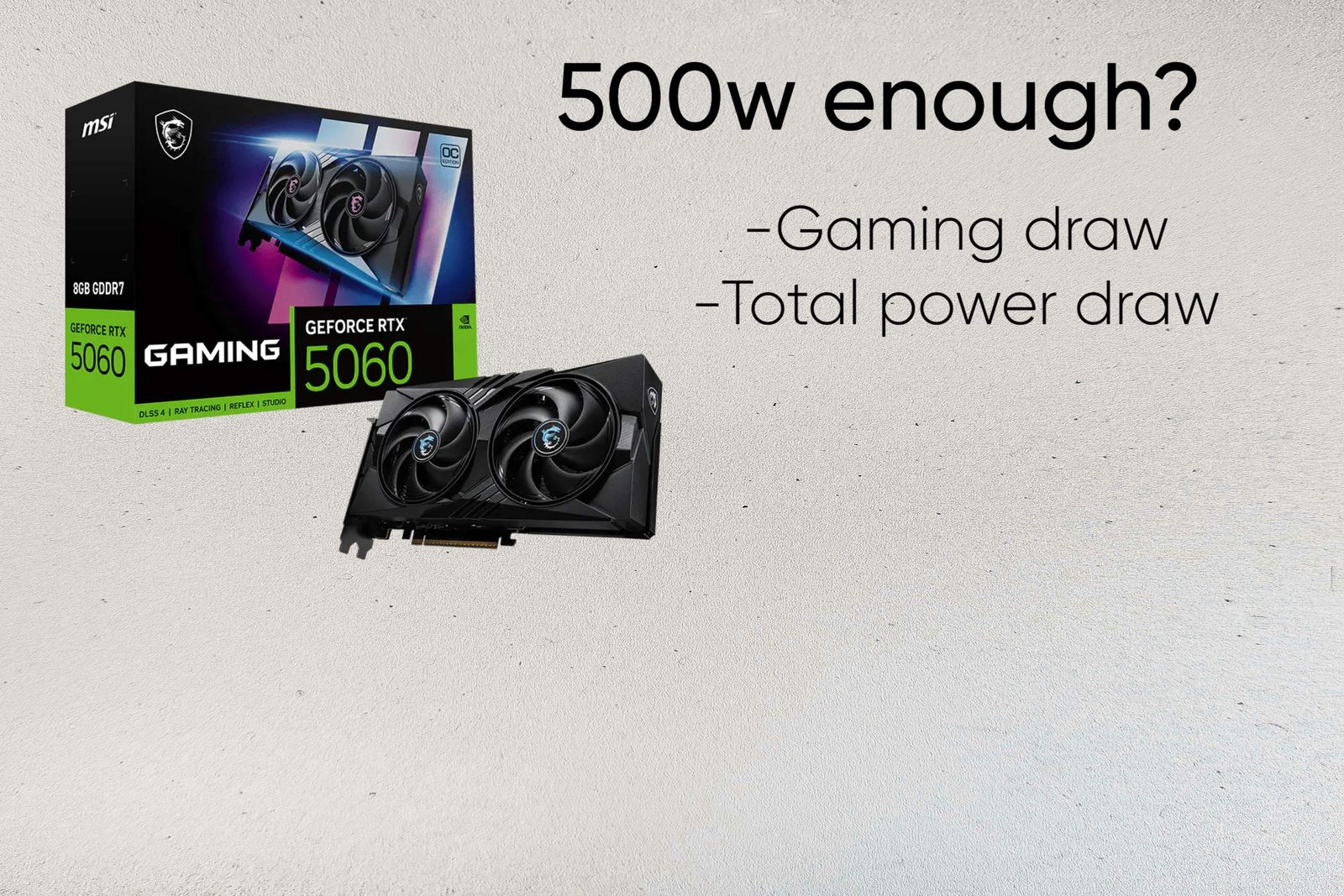
Another cool thing is the GPU doesnt need some crazy expensive PSU to run properly. Most RTX 5060 models have a power draw around 145–155W, and Nvidia usually recommend a 550W PSU for a normal gaming setup
Price
The RTX 5060 starts at around $350, depending on the brand and cooling setup. Simpler dual-fan cards from brands like Zotac or MSI are usually cheaper, while triple-fan or factory overclocked versions from ASUS and Gigabyte cost a bit more.
Check current RTX 5060 prices on Amazon
Compared to the previous-gen RTX 4060, the pricing honestly isn’t bad. Nvidia didn’t massively increase the price this time, which atleast makes the RTX 5060 feel more reasonable than some of their older launches. The problem is more about competition from AMD, not really the launch price itself.
1080p Gaming
This is really where the RTX 5060 makes the most sense. For pure 1080p gaming, the card performs very comfortably across pretty much every major game right now. Esports titles are easy work for it, and even newer AAA games stay smooth on high or ultra settings without needing too much tweaking.
What helps the RTX 5060 a lot is DLSS 4. If you don’t know what that is, it’s basically Nvidia using AI to increase FPS while trying to keep the image looking close to native quality. In supported games, the difference can honestly be pretty huge.
Then there’s Frame Generation, which creates extra frames between the real ones to make gameplay feel smoother. Sounds fake at first, but Nvidia’s newer implementation is actually pretty good now, especially at 1080p where latency matters more.
| Game | Average FPS |
|---|---|
| Valorant | 220–300 FPS |
| CS2 | 180–260 FPS |
| Fortnite | 120–180 FPS |
| Apex Legends | 160–220 FPS |
| Cyberpunk 2077 | 70–95 FPS |
| Hogwarts Legacy | 65–85 FPS |
| Warzone | 90–130 FPS |
| Red Dead Redemption 2 | 85–110 FPS |
| Spider-Man 2 | 75–110 FPS |
| Starfield | 60–80 FPS |
| GTA V Enhanced | 140–200 FPS |
| Forza Horizon 5 | 120–160 FPS |
Note: Esports titles are CPU dependent — these numbers assume a modern mid-range CPU.
Without DLSS, the RTX 5060 is already a strong 1080p GPU. But once you turn on DLSS 4 and Frame Generation, FPS can jump pretty heavily in supported games while still looking smooth. That’s honestly one of the biggest reasons Nvidia cards still stay so popular, because the real gameplay experience often feels better than what raw FPS numbers alone would suggest.
Also read : Best GPUs for 1080p gaming in 2026
1440p Gaming
The RTX 5060 can run 1440p games. But frankly speaking, I really dont think this is a proper 1440p card no matter how Nvidia markets it. Sure, if you play stuff like Valorant, Apex, Fortnite, lighter games like that, its honestly fine. Even some AAA games run pretty decent at medium-high settings. But once you start pushing ultra textures and all that, you can feel the card struggling sometimes
And the reason is pretty obvious it is the 8GB VRAM. Right now 8GB is still fine for 1080p, but for 1440p it is the borderline, sure some games runs fine but video games are getting heavier every year and some newer titles already eat VRAM like crazy. Hogwarts Legacy, Last of Us, games like that can use a lot more memory than people expect.
The RTX 5060 is a top tier 1080p card. The 1440p stuff feels more like a bonus feature than the main selling point. If you mostly play esports games, lighter games, or dont mind tweaking settings a little, then yes its decent enough for 1440p too. But if your main goal is ultra settings 1440p gaming for the next few years, you’ll probably want something stronger with more VRAM.
Also read: Best 1440p GPUs for Gaming in 2026
RTX 5060 vs RX 9060 XT
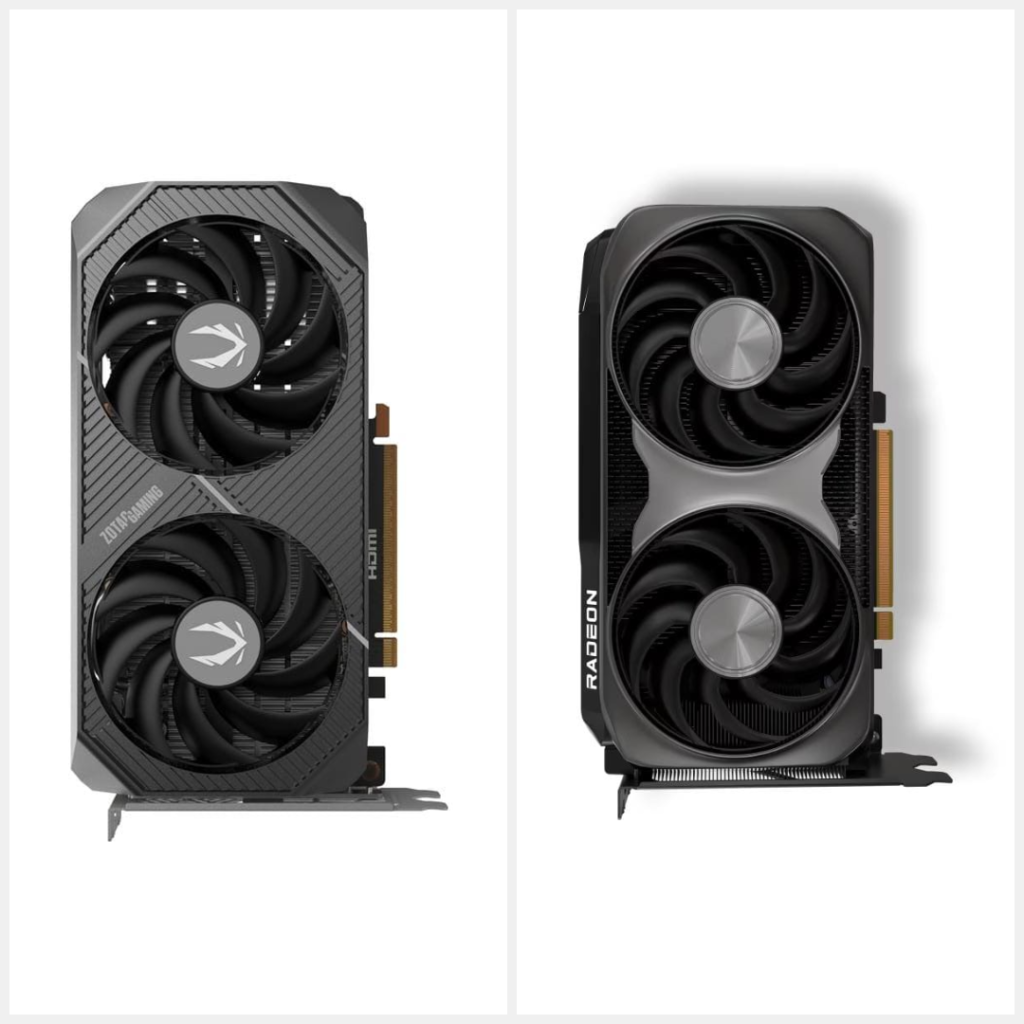
The RTX 5060 and RX 9060 XT are probably the two GPUs most people are comparing right now in this price range. And honestly, the comparison gets interesting because both cards are good at completely different things.
If we only look at normal gaming performance, the RX 9060 XT is usually faster. In a lot of games the gap is actually pretty noticeable too, not just a tiny 2-3 FPS difference.
| Game | RX 9060 XT | RTX 5060 |
|---|---|---|
| Forza Horizon 5 (1440p) | 117 FPS | 92 FPS |
| Red Dead Redemption 2 (1080p) | 117 FPS | 96 FPS |
| Cyberpunk 2077 (1080p Ultra) | 102 FPS | 84 FPS |
| Hogwarts Legacy (1080p Ultra) | 95 FPS | 76 FPS |
| Warzone (1080p) | 142 FPS | 118 FPS |
| Spider-Man 2 (1080p High) | 121 FPS | 98 FPS |
| Starfield (1080p High) | 89 FPS | 71 FPS |
The other thing people are obviously gonna notice is the VRAM difference. The RX 9060 XT comes with 16GB VRAM, while the RTX 5060 only has 8GB. Thats a pretty huge gap for cards sitting around a similar price. Right now 8GB is still mostly okay for 1080p gaming, but newer AAA games are already starting to use way more memory than before, specially at higher settings.
But Nvidia still has a few advantages that matter depending on what type of games you play. DLSS 4 is still better than FSR overall in my opinion, specially frame generation. In supported games, the RTX 5060 can feel smoother than the raw FPS numbers suggest. Ray tracing performance is also clearly better on Nvidia. Once RT gets enabled, AMD cards usually lose way more performance.
Driver stability matters too. AMD drivers are definitely much better now compared to a few years ago, but Nvidia still feels more polished most of the time. Less random issues, better support on launch day, stuff like that.
Read our full comparison : RTX 5060 vs RX 9060 XT — Full Comparison
Who Should Buy the RTX 5060?
The RTX 5060 makes the most sense for people who want a balanced gaming experience rather than chasing the highest FPS number possible. If you’re already using Nvidia hardware or software, there’s a good chance you’ll appreciate staying within the same ecosystem. DLSS 4 and Frame Generation are also a bigger deal than some people give them credit for, especially if the games you play support them regularly. The card is a strong fit for smooth 1080p gaming, and it’s also appealing to streamers, video editors, or anyone who does a bit more than just gaming. Nvidia’s drivers and software support are generally reliable, which means less time troubleshooting and more time actually using the card. If you care about ray tracing, content creation features, and a GPU that mostly works without drama, the RTX 5060 is easy to recommend.
Who Should NOT Buy the RTX 5060?
The RTX 5060 becomes a tougher sell when raw value is your top priority. Cards like the RX 9060 XT often deliver more rasterized performance for the money, which can make Nvidia’s pricing harder to justify. The 8GB VRAM is another concern. It’s fine for most 1080p gaming today, but it doesn’t inspire much confidence if you’re thinking several years ahead. I’d also look elsewhere if you’re planning to play the newest games at maximum settings, especially titles like Alan Wake 2 or The Last of Us. And if you can find an RTX 4060 significantly cheaper, the real-world difference at 1080p may not be large enough to justify spending more. The RTX 5060 is a good card, but its biggest strengths come from Nvidia’s features and software ecosystem. If those don’t matter to you, there are stronger value options available.
Verdict
The RTX 5060 is honestly a pretty solid GPU for 1080p gaming. It doesnt really destroy the competition in raw FPS, and yes the 8GB VRAM is disappointing in 2026, but the overall experience is still very solid. DLSS 4 actually helps a lot in newer titles, and Nvidia stuff usually just works without much headache. That is easily the biggest reason people still buy Nvidia cards even when AMD sometimes gives more FPS for the same money.
Now if your only goal is getting maximum fps, then the RX 9060 XT is just better. More VRAM, better raster performance, and overall stronger numbers in most games.
But if you already use Nvidia, care about ray tracing, or play a lot of DLSS-supported games, then the RTX 5060 is still a very reasonable buy at around $299-329. Its not perfect, but for 1080p gaming its definitely one of the best options right now.
Check current RTX 5060 price on Amazon
FAQ
Is RTX 5060 good for 1080p gaming?
Yes, definitely. The RTX 5060 handles pretty much every modern 1080p game comfortably on high or ultra settings. DLSS 4 also helps a lot in supported games and can push FPS even higher without making the game look bad.
Is 8GB VRAM enough in 2026?
For 1080p gaming right now, yes its still mostly enough. But for long term use over the next 3-4 years, 8GB is starting to feel a little tight in some newer AAA games, specially with ultra textures enabled. If future proofing matters a lot to you, the RX 9060 XT’s 16GB VRAM is safer.
RTX 5060 vs RTX 4060 — which should I buy?
The RTX 5060 is the better card overall because of the newer Blackwell architecture, DLSS 4, and slightly better performance. But if you find an RTX 4060 much cheaper and mostly play esports games, the 4060 still gives a pretty similar 1080p experience.
Is RTX 5060 worth buying in 2026?
Yeah, for a lot of people it still is. If you want a top tier 1080p card and you like Nvidia features like DLSS, ray tracing, and stable drivers, the RTX 5060 makes sense.
What CPU pairs well with RTX 5060?
Any modern mid-range CPU should work fine with this card. Something like the Ryzen 5 7600 or Intel Core i5-13600K pairs really well and wont bottleneck the RTX 5060 at 1080p gaming.
Also Read
Is the RTX 5060 Ti good for 1440p gaming
RTX 5070 vs RTX 4070: Should you upgrade?
RTX 4070 Ti SUPER vs RTX 5070: Which offers better value?
RX 9070 review: Is it REALLY worth your money?
RX 9070 XT Review: Is it really future proof?
RTX 5060 vs RTX 4060: Is it worth the upgrade?
RTX 5060 ti vs RX 9060 XT: Is NVIDIA worth paying $100 more?
RTX 4060 vs RX 7600: Which is the better buy in 2026?
Best 1440p GPUs for Gaming in 2026
RTX 5070 review: The best 1440p GPU in 2026?
RTX 5070 ti vs RTX 5070: Worth the Extra Money?
RX 9060 XT Review: The Best GPU for 1080p Gaming Right Now?
Best GPUs for 1080p gaming in 2026
Is RTX 4060 it still worth buying in 2026?
RX 7600 Review: Is it still worth buying in 2026
RTX 5060 vs RX 9060 XT: Which is the best 1080p GPU
Intel Arc B580 vs RTX 5060: Don’t buy until you read this
RTX 4070 review: Is it worth buying in 2026?
Samsung 990 Pro SSD review 2026
Logitech Superlight G Pro X Review
As an Amazon Associate I earn from qualifying purchases

Leave a Reply