
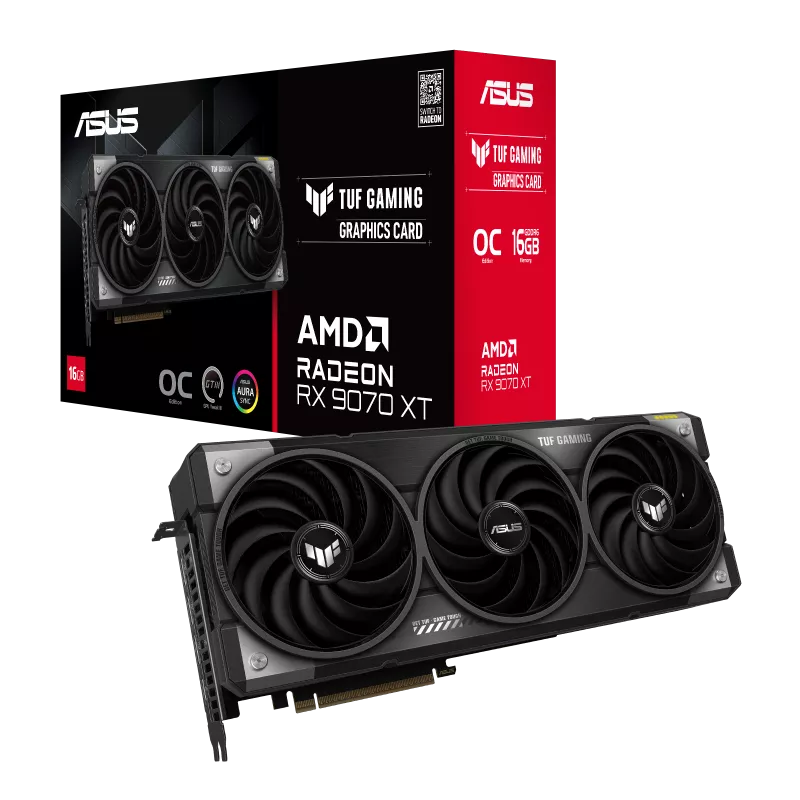
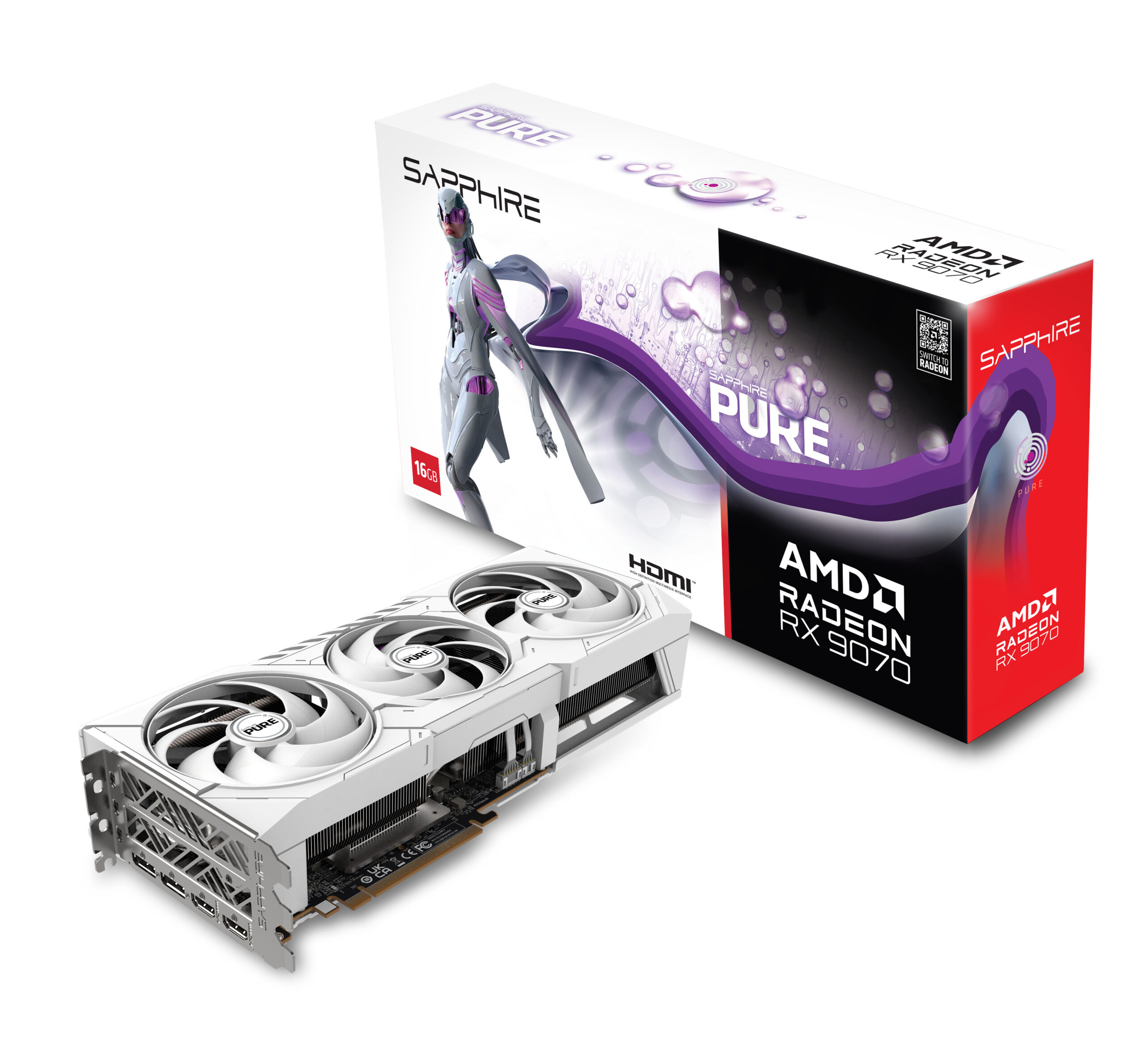
Is the RX 9070 XT future proof? In this RX 9070 XT review, we’ll examine its performance, features, and long-term prospects to answer the simple question
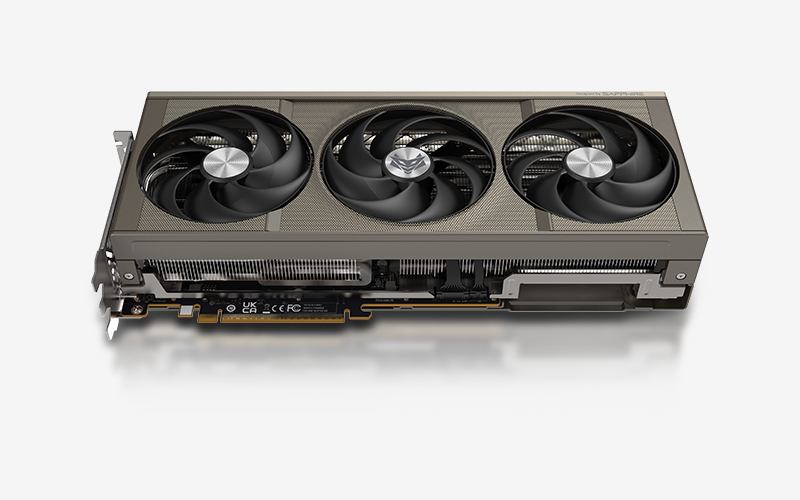
The RX 9070 XT has quickly earned a reputation as one of the safest GPU purchases in its price range. Between its 16GB of VRAM , strong gaming performance, and competitive pricing, many gamers see it as a graphics card built to last.
The question is whether that reputation is deserved. Future-proofing is about more than memory capacity alone. Ray tracing performance, software support, power efficiency, and the demands of future games all play a role in determining how well a graphics card ages.
Is the RX 9070 XT future proof?
If you’re short on time, here’s the answer: Yes, the RX 9070 XT is one of the most future-proof graphics cards currently available in its price range. Its 16GB VRAM, strong gaming performance, and competitive feature set give it a solid foundation for the years ahead.
Check current RX 9070 XT price on Amazon
Continue reading for benchmarks, comparisons, and our full review.
Specifications
| Architecture | RDNA 4 |
| Compute Units | 64 |
| Stream Processors | 4,096 |
| Game Clock | 2.4 GHz+ |
| VRAM | 16GB GDDR6 |
| Memory Bus | 256-bit |
| Memory Bandwidth | 640 GB/s |
| TBP | 304W |
| Upscaling Technology | FSR 4 |
| Ray Tracing | 3rd Generation RT Accelerators |
On paper, the RX 9070 XT looks well-equipped for the future. The 16GB memory configuration immediately stands out in a market where several competing GPUs still ship with 12GB, while the 256-bit memory bus helps ensure that capacity isn’t paired with a bandwidth bottleneck. For buyers concerned about longevity, those specifications are difficult to ignore.
That said, future-proofing isn’t determined by VRAM alone. Ray tracing performance, software support, and the demands of future games will play just as important a role in determining how well the RX 9070 XT ages. The specifications are certainly promising, but they only tell part of the story.
16GB VRAM: The RX 9070 XT’s Biggest Future-Proofing Advantage
If there’s one reason the RX 9070 XT has earned a reputation as a future-proof graphics card, it’s the 16GB VRAM configuration. At a time when several competing GPUs still ship with 12GB, AMD has given the RX 9070 XT significantly more memory headroom for future games. Whether that advantage translates into a longer lifespan, however, depends on more than the number printed on the box.
Why VRAM Matters
The reason VRAM receives so much attention is simple: it’s one of the few graphics card specifications that can’t be worked around once it becomes a limitation. A faster GPU can often compensate for demanding games by lowering settings, but a card that runs out of memory has far fewer options.
As game worlds grow larger and texture quality continues to improve, VRAM requirements tend to increase alongside them. When memory capacity becomes a bottleneck, performance can suffer even if the GPU itself still has plenty of processing power available. Stuttering, texture pop-in, and inconsistent frame times are often the first warning signs.
That’s why VRAM has become such a controversial topic in recent years. For buyers hoping to keep a graphics card for four or five years, memory capacity is often viewed as one of the strongest indicators of how well that card might age.
Why 12GB Has Become So Controversial
For years, 8GB was considered more than enough for gaming. Then came 12GB, which quickly became the new standard for upper-midrange graphics cards. The problem is that game requirements haven’t stopped increasing. Modern titles are shipping with larger textures, more detailed environments, and higher memory demands than ever before.
As a result, some gamers have started to question whether 12GB is enough for a graphics card expected to last four or five years. While 12GB remains perfectly usable today, especially at 1440p, it leaves less room for future growth than larger memory configurations.
That’s where the RX 9070 XT stands out. With 16GB of VRAM, AMD has given the card a significantly larger memory buffer than many of its direct competitors. That doesn’t automatically make it future-proof, but it does remove one of the biggest concerns currently surrounding modern graphics cards.
Why 16GB Is So Attractive
The appeal of 16GB VRAM isn’t that today’s games suddenly require it. The appeal is the extra breathing room it provides for the future. While 12GB remains sufficient for most current titles, buyers spending hundreds of dollars on a graphics card aren’t just thinking about today’s games—they’re thinking about the games they’ll be playing three, four, or even five years from now.
That’s what makes the RX 9070 XT’s memory configuration so appealing. Rather than meeting current requirements, AMD has given the card additional headroom for larger textures, more demanding game engines, and higher-quality settings in future releases. Whether that extra memory is fully utilized today is almost beside the point. For many buyers, the reassurance of having 16GB available is valuable in itself.
Of course, VRAM alone doesn’t determine how long a graphics card will remain relevant. The GPU still needs enough processing power to take advantage of that memory. Fortunately for AMD, the RX 9070 XT isn’t relying on VRAM alone. Its strong gaming performance means the additional memory feels like a practical advantage rather than a specification-sheet talking point.
Does 16GB VRAM automatically make a GPU Future-Proof?
Not necessarily. While 16GB is one of the RX 9070 XT’s biggest strengths, memory capacity alone doesn’t determine how well a graphics card will age. A GPU still needs enough processing power to take advantage of that extra memory, especially as games become more demanding over time.
There are several graphics cards that shipped with generous amounts of VRAM but eventually fell behind because the GPU itself could no longer keep up. Future-proofing is ultimately a combination of memory capacity, raw performance, software support, and how game development evolves over the coming years.
The good news for AMD is that the RX 9070 XT isn’t relying on VRAM alone. Its strong rasterized performance means the 16GB frame buffer is backed by a GPU capable of taking advantage of it. That’s an important distinction because extra memory is most valuable when the GPU itself have enough horsepower to keep up with its own memory
Ray Tracing and FSR 4
Ray tracing used to be one of AMD’s biggest weaknesses. If you go back a few generations, turning on ray tracing in ray tracing heavy games often resulted in a much bigger performance hit than it did on competing NVIDIA cards.
The RX 9070 XT doesn’t completely erase that gap, but it does make the conversation a lot more competitive. In demanding titles such as Cyberpunk 2077, Hogwarts Legacy, and Black Myth: Wukong, the card is far less likely to feel out of its depth than previous Radeon GPUs. That’s a meaningful improvement because ray tracing isn’t going away anytime soon.
FSR 4 is another piece of the puzzle. AMD’s upscaling technology has come a long way, and the image quality is noticeably better than earlier versions. More importantly, it gives the RX 9070 XT another tool for handling future games that may be far more demanding than today’s releases.
The bigger story here isn’t ray tracing itself. It’s that the RX 9070 XT is no longer relying entirely on raw rasterized performance to stay relevant. A few years ago that was a perfectly reasonable strategy. In 2026, it’s becoming harder and harder to ignore the importance of features that can extend a GPU’s lifespan.
Power Efficiency and PSU requirement
Power efficiency isn’t usually the first thing people think about when discussing future-proofing, but it still matters. More power consumption means more heat, larger cooling requirements, and potentially higher electricity costs over the life of the card.
The RX 9070 XT isn’t the most efficient GPU in its class. Power draw can exceed 300W during demanding workloads, which is why AMD recommends a 750W power supply at minimum. For most systems, a quality 850W ATX 3.0 or ATX 3.1 PSU is the more comfortable choice.
This is one area where AMD makes a compromise. The card’s strong gaming performance helps justify the higher power draw, but buyers should still be aware that future-proofing isn’t just about frame rates and VRAM. A graphics card that consumes more power will generally be more demanding to cool and run over the course of its lifespan.
Pricing
Most RX 9070 XT models currently sell for around $600–650, depending on the manufacturer, cooler design, and retailer. While that places it firmly in the upper-midrange segment, it also reflects the reality of today’s GPU market, where high-end 1440p performance rarely comes cheap.
Check current RX 9070 XT price on Amazon
1440p Gaming Performance
Extra VRAM is only valuable if the GPU has enough horsepower to take advantage of it. Fortunately, that’s not a problem for the RX 9070 XT. The card delivers excellent 1440p gaming performance and is powerful enough to handle modern AAA titles at high or maximum settings without feeling stretched.
This is an important point because future-proofing isn’t just about avoiding memory limitations. A graphics card also needs the raw performance to remain relevant as games become more demanding. The RX 9070 XT’s strong rasterized performance gives its 16GB VRAM buffer a purpose beyond simply looking impressive on a specification sheet.
What’s perhaps most encouraging is that the card isn’t relying on a handful of standout benchmark wins to make its case. Across a wide range of modern games, the RX 9070 XT consistently performs at the level buyers would expect from a high-end 1440p graphics card. That consistency is arguably just as important as peak frame rates when evaluating long-term value.
| Game | Graphics | Native FPS | FSR 4 on* |
|---|---|---|---|
| Battlefield 6 | Highest | 100 FPS | 130–140 FPS |
| Black Myth: Wukong | Highest | 55 FPS | 72–80 FPS |
| Cyberpunk 2077 | Highest | 118 FPS | 150–165 FPS |
| Hogwarts Legacy | Highest | 140 FPS | 180–195 FPS |
| Marvel Rivals | Highest | 88 FPS | 115–125 FPS |
| Alan Wake 2 | Highest | 73 FPS | 95–105 FPS |
| S.T.A.L.K.E.R. 2 | Highest | 68 FPS | 88–96 FPS |
| Silent Hill 2 | Highest | 63 FPS | 82–90 FPS |
| Ghost of Tsushima | Highest | 107 FPS | 140–150 FPS |
| Horizon Forbidden West | Highest | 112 FPS | 145–155 FPS |
Note: Benchmarks were recorded at 1440p using each title’s highest available preset. FSR 4 figures are estimated Quality-mode performance and may vary depending on game updates, drivers, and test conditions.
The benchmark results highlight an important point: the RX 9070 XT isn’t relying on a handful of standout wins to make its case. Even demanding titles such as Alan Wake 2, S.T.A.L.K.E.R. 2, and Silent Hill 2 remain comfortably playable at 1440p, while less demanding games regularly push well beyond 100 FPS. That’s exactly what you’d hope to see from a graphics card being marketed as a long-term investment.
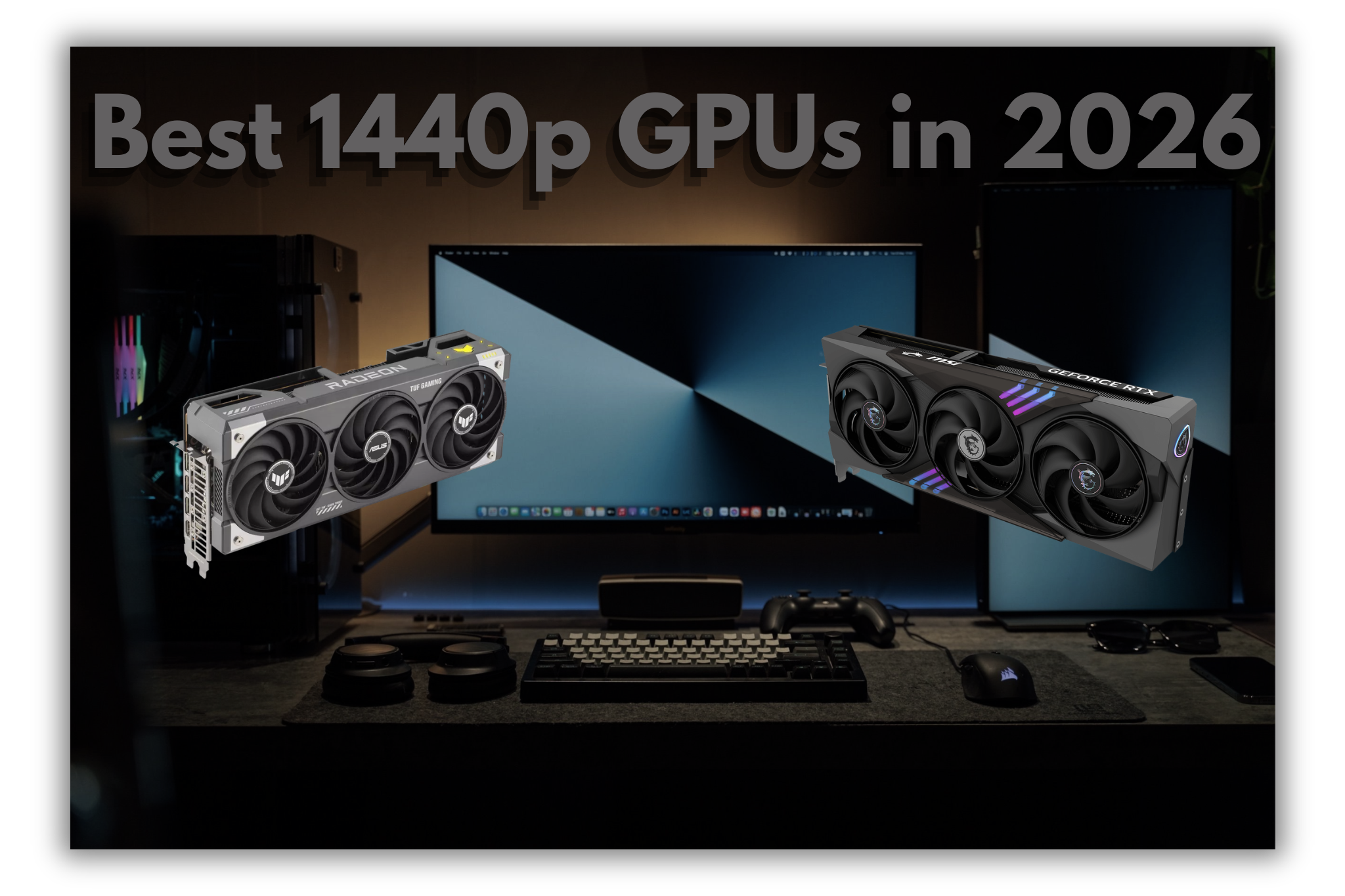
Also read: The best 1440p GPUs in 2026
How Long Will the RX 9070 XT Last?
Predicting the lifespan of any graphics card is difficult because game requirements rarely move in a straight line. Some generations age gracefully, while others run into unexpected limitations much sooner than expected.
The RX 9070 XT, however, has several things working in its favor. Its 16GB VRAM buffer provides considerably more headroom than many competing cards, its rasterized performance is strong enough for modern 1440p gaming, and AMD has made meaningful improvements to ray tracing and upscaling support. Those aren’t guarantees, but they are the kinds of traits that tend to help graphics cards remain relevant for longer.
If current trends continue, the RX 9070 XT should have little trouble handling 1440p gaming for atleast 4-5 years to come. Settings may need to be adjusted as games become more demanding, but that’s true of every graphics card. The more important point is that there are no obvious weaknesses likely to force an early upgrade.
No GPU is truly future-proof. Eventually, every graphics card falls behind. The RX 9070 XT simply looks better positioned than most to delay that moment, which is exactly why it has earned such a strong reputation among buyers looking for a long-term purchase.
RX 9070 XT vs RTX 5070
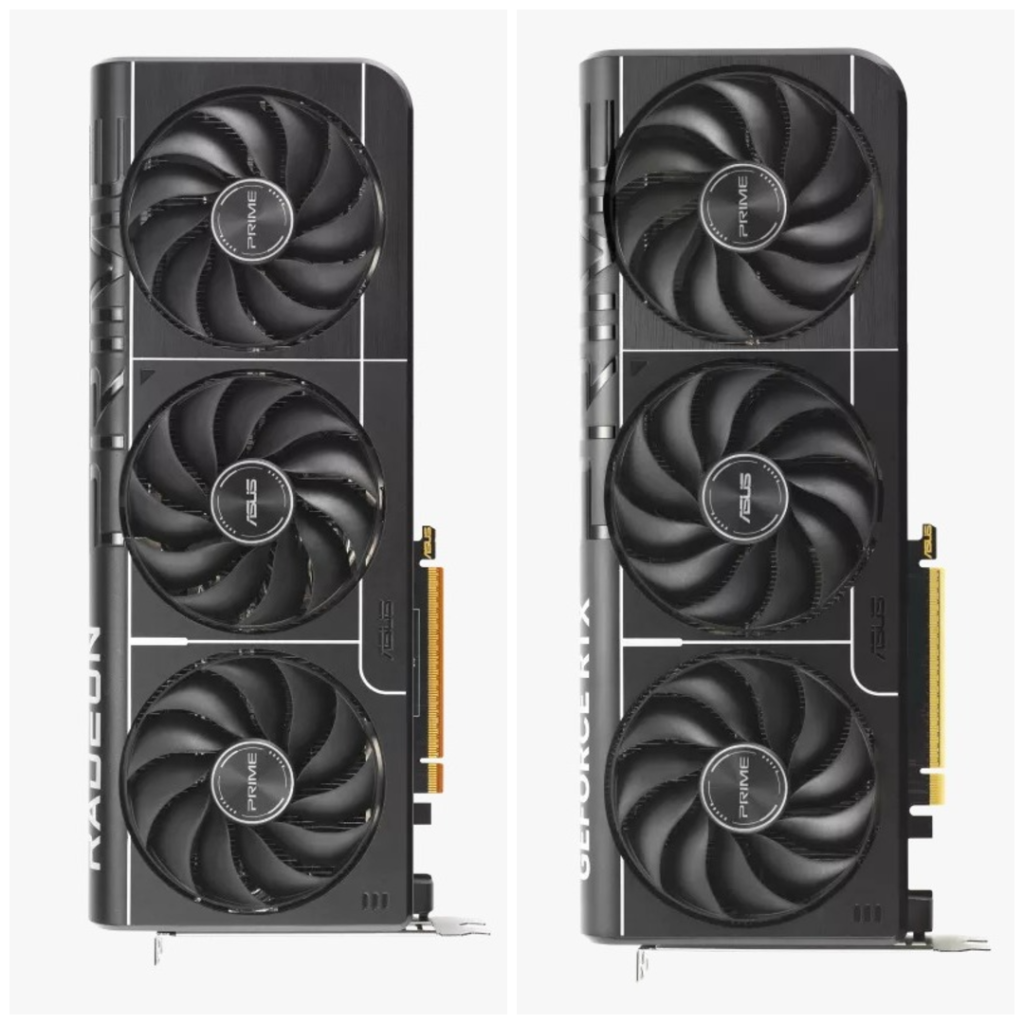
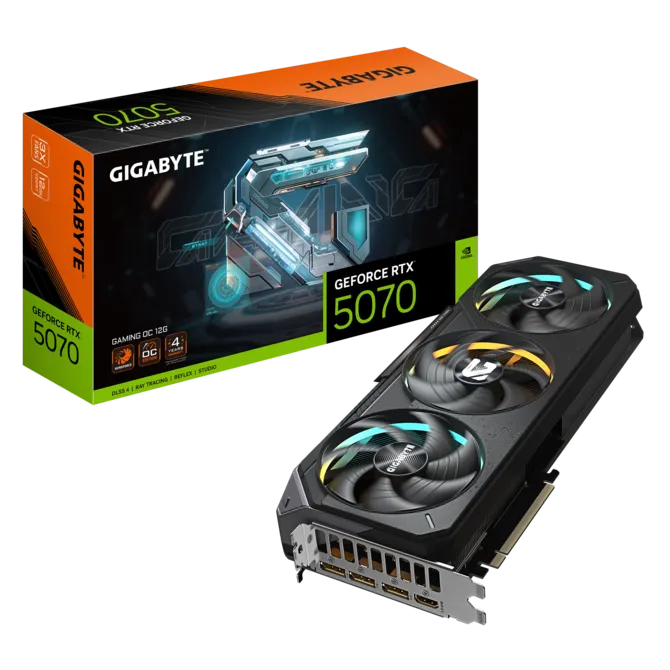
The RX 9070 XT and RTX 5070 are currently two of the strongest contenders for the title of best 1440p graphics card. They sit in the same price bracket, target the same gamers, and trade blows across a wide range of modern titles
The RX 9070 XT and RTX 5070 represent two very different approaches to the same goal: delivering a premium 1440p gaming experience. On paper, AMD appears to have the advantage thanks to its 16GB VRAM configuration and slightly stronger rasterized performance, while NVIDIA counters with DLSS 4, lower power consumption, and the broader software ecosystem that has become one of its biggest selling points.
What’s interesting is how close the comparison actually is. Unlike the RTX 5060 vs RX 9060 XT matchup, where AMD’s VRAM advantage is far more difficult to ignore, the gap between 16GB and 12GB feels much less dramatic here. The RTX 5070 has enough raw performance that its memory configuration isn’t the immediate concern some buyers assume it is.
The same can be said for ray tracing. A few years ago, this would have been an easy win for NVIDIA, but AMD has made meaningful progress with RDNA 4. The RTX 5070 still holds advantages in certain ray-traced workloads, yet the two cards trade blows far more often than many people expect. In practice, ray tracing is no longer the deciding factor it once was between Radeon and GeForce.
Rasterized gaming remains AMD’s strongest argument. The RX 9070 XT is generally the faster card when ray tracing is removed from the equation, but the lead is rarely large enough to completely overshadow the RTX 5070. That’s what makes this comparison so competitive. Neither card consistently pulls far enough ahead to make the other irrelevant.
The RTX 5070’s biggest advantage is efficiency. It draws noticeably less power while delivering performance that remains remarkably close to AMD’s offering. For some buyers, that lower power consumption and access to DLSS 4 will be enough to justify choosing NVIDIA. For others, the RX 9070 XT’s extra VRAM and slightly stronger rasterized performance will make it the more attractive long-term purchase.
Ultimately, this isn’t a matchup where one card clearly dominates the other. The RX 9070 XT may have a slight edge in raw gaming performance and memory capacity, but the RTX 5070 remains close enough that features, efficiency, and personal preference often end up deciding the winner.
| Specification | RX 9070 XT | RTX 5070 |
|---|---|---|
| Architecture | RDNA 4 | Blackwell |
| VRAM | 16GB GDDR6 | 12GB GDDR7 |
| Memory Bus | 256-bit | 192-bit |
| Memory Bandwidth | 640 GB/s | 672 GB/s |
| Typical Board Power | 304W | 250W |
| Recommended PSU | 850W | 750W–850W |
| Upscaling Technology | FSR 4 | DLSS 4 |
| Frame Generation | AFMF 2 / FSR FG | Multi Frame Generation |
| Power Efficiency | Good | Very Good |
| Future-Proofing Advantage | 16GB VRAM | DLSS 4 & Efficiency |
Also read our standalone RTX 5070 review
Who Should Buy the RX 9070 XT?
The RX 9070 XT makes the most sense for gamers who want a graphics card they can comfortably keep for years. Its combination of strong 1440p performance, 16GB of VRAM, and competitive ray tracing performance gives it very few obvious weaknesses for long-term ownership. If your goal is to buy a GPU today and avoid thinking about upgrades for as long as possible, AMD’s card makes a compelling case.
It’s also an attractive option for buyers who value raw gaming performance. While the margin isn’t enormous, the RX 9070 XT is generally the faster rasterized card, and the additional VRAM provides extra breathing room for future games that may demand more memory than today’s titles.
Who Should Skip the RX 9070 XT?
The RX 9070 XT isn’t the ideal choice for everyone. Buyers who place a higher value on efficiency, DLSS 4, or NVIDIA’s broader software ecosystem may find the RTX 5070 more appealing despite its smaller memory configuration.
Likewise, gamers who upgrade frequently may not benefit as much from the RX 9070 XT’s biggest advantage—its long-term headroom. The value of 16GB VRAM becomes much easier to appreciate when you’re planning to keep a card for four or five years rather than replacing it every couple of generations.
For gamers focused primarily on 1080p gaming, much of the RX 9070 XT’s performance potential may simply go unused. This is a graphics card built for high-refresh-rate 1440p gaming and beyond, and that’s where it makes the strongest case for itself.
Final Verdict
So, is the RX 9070 XT future-proof?
No graphics card is truly future-proof, but the RX 9070 XT comes closer than most. Its combination of 16GB VRAM, strong gaming performance, improved ray tracing, and FSR 4 support gives it the kind of foundation that tends to age well.
More importantly, there are no obvious weaknesses likely to force an early upgrade. While competing cards may offer better efficiency or software features, the RX 9070 XT strikes an excellent balance between performance today and headroom for tomorrow.
If you’re looking for a graphics card that can realistically carry a 1440p gaming system through the next four to six years, the RX 9070 XT makes a very strong case.
Check current RX 9070 XT price on Amazon
Frequently Asked Questions (FAQ)
Is the RX 9070 XT future-proof?
No graphics card is truly future-proof, but the RX 9070 XT is one of the strongest long-term options in its price range. Its 16GB VRAM buffer, strong gaming performance, and modern feature set should help it remain relevant for years to come.
How long will the RX 9070 XT last?
While predicting the lifespan of a GPU is never exact, the RX 9070 XT should remain a capable 1440p gaming card for roughly four to six years, depending on your performance expectations and game settings.
Is 16GB VRAM enough for future games?
At the time of writing, 16GB is considered a very healthy amount of VRAM for a gaming graphics card. It provides significantly more headroom than many competing GPUs and should be sufficient for modern 1440p gaming for the foreseeable future.
Is the RX 9070 XT better than the RTX 5070?
It depends on what you value. The RX 9070 XT generally offers stronger rasterized performance and more VRAM, while the RTX 5070 delivers better power efficiency and access to DLSS 4. The gap between the two is much closer than many buyers expect.
Is the RX 9070 XT good for 1440p gaming?
Absolutely. The card was practically built for high-refresh-rate 1440p gaming and has enough performance to handle modern AAA titles at high or maximum settings.
What power supply do I need for the RX 9070 XT?
AMD recommends a 750W power supply, though a quality 850W ATX 3.0 or ATX 3.1 unit is the safer choice for most gaming PCs, especially when paired with a high-end processor.
Is the RX 9070 XT worth buying in 2026?
For gamers looking for a powerful 1440p graphics card with plenty of long-term headroom, the RX 9070 XT remains one of the easiest GPUs to recommend in 2026.
Also read
RX 9070 review: Is it REALLY worth your money?
RTX 5070 vs RTX 4070: Should you upgrade?
RTX 4070 Ti SUPER vs RTX 5070: Which offers better value?
RTX 5070 ti vs RTX 5070: Worth the Extra Money?
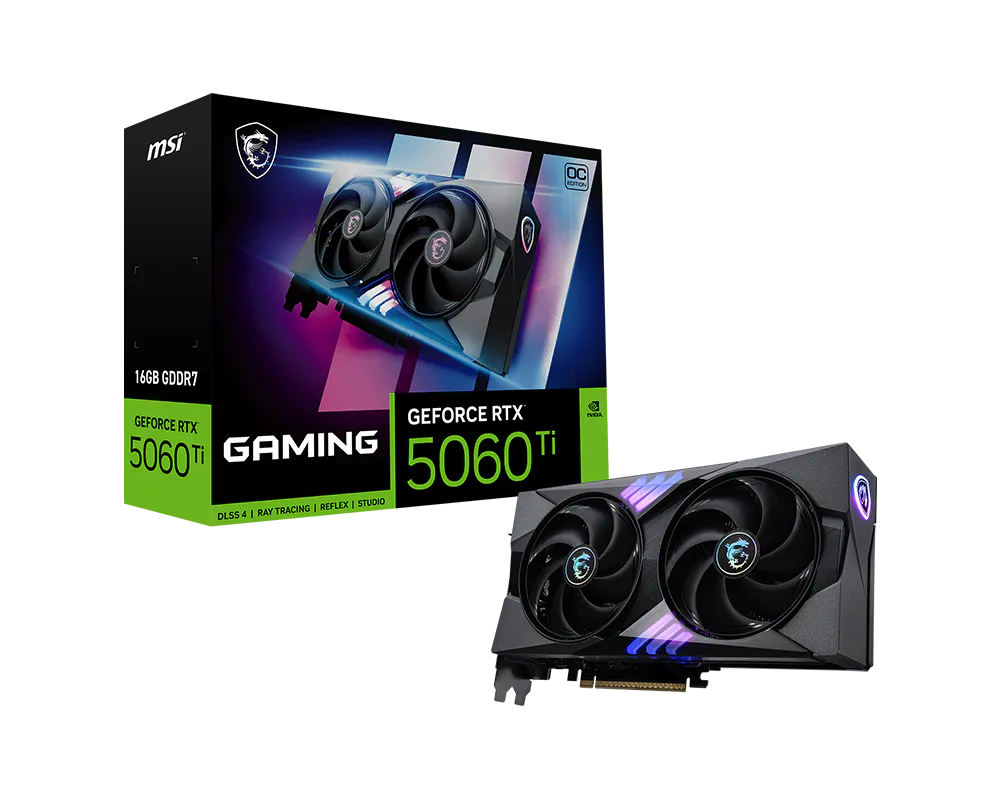
RTX 5060 ti vs RX 9060 XT: Is NVIDIA worth paying $100 more?
RTX 5060 vs RTX 4060: Is it worth the upgrade?
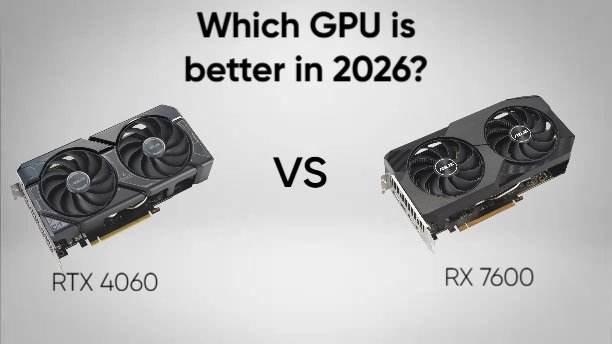
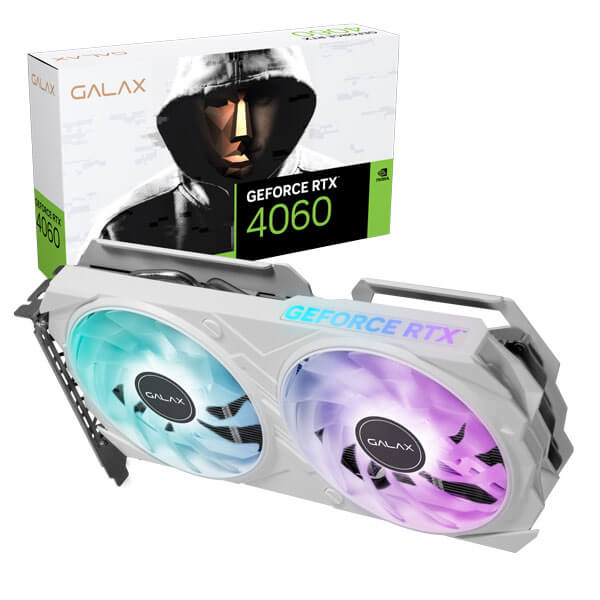
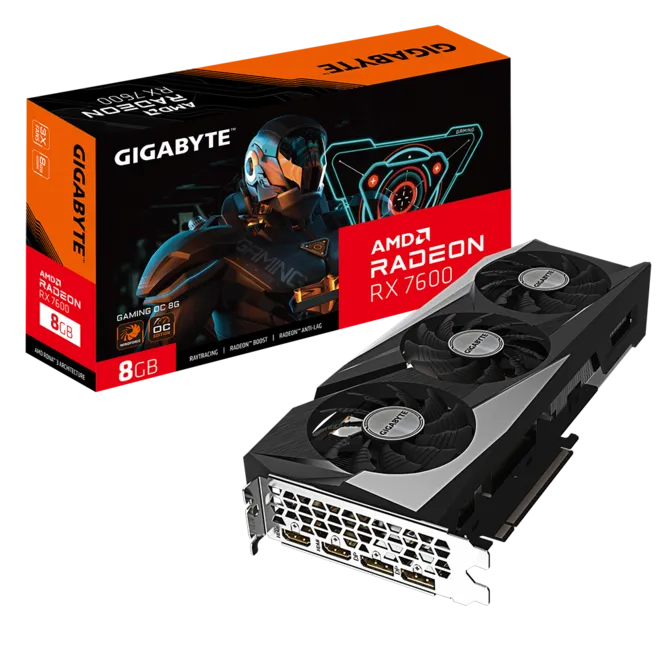
RTX 4060 vs RX 7600: Which is the better buy in 2026?
Is the RTX 5060 Ti good for 1440p gaming
RTX 5060 Review: Is 8gb VRAM enough in 2026
Best GPUs for 1080p gaming in 2026
Is RTX 4060 it still worth buying in 2026?
Intel Arc B580 vs RTX 5060: Don’t buy until you read this
RTX 5060 vs RX 9060 XT: Which is the best 1080p GPU
RTX 4070 review: Is it worth buying in 2026?
Samsung 990 Pro SSD review 2026
Logitech Superlight G Pro X Review
As an Amazon Associate I earn from qualifying purchases

Leave a Reply