
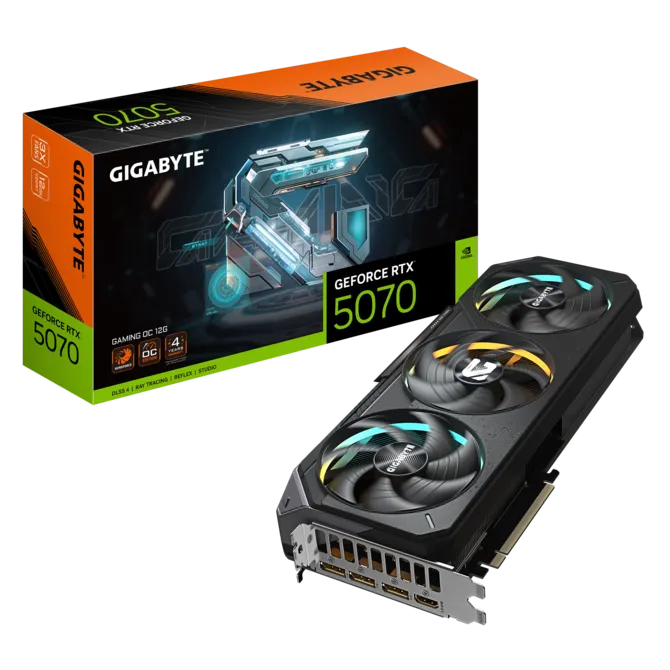
The RTX 5070 has a tougher job than it might seem. At around $600–650, it’s expensive enough that buyers expect more than just solid performance, but not so expensive that it can rely on brute force alone. For many gamers, this is the price range where every dollar matters.
On paper, it offers everything you’d expect from a modern NVIDIA card: DLSS 4 , improved ray tracing performance, and enough power to push modern games at high settings without breaking a sweat. The problem is that good specifications don’t automatically make a good value proposition.
Looking at benchmark results, one thing becomes clear: the RTX 5070 is built for 1440p gaming. It delivers the kind of smooth, high-refresh-rate experience most PC gamers are actually looking for, while still leaving enough headroom for more demanding titles. The real question isn’t whether the RTX 5070 is a good graphics card—it’s whether what it offers is enough to justify its asking price in a market full of strong alternatives.
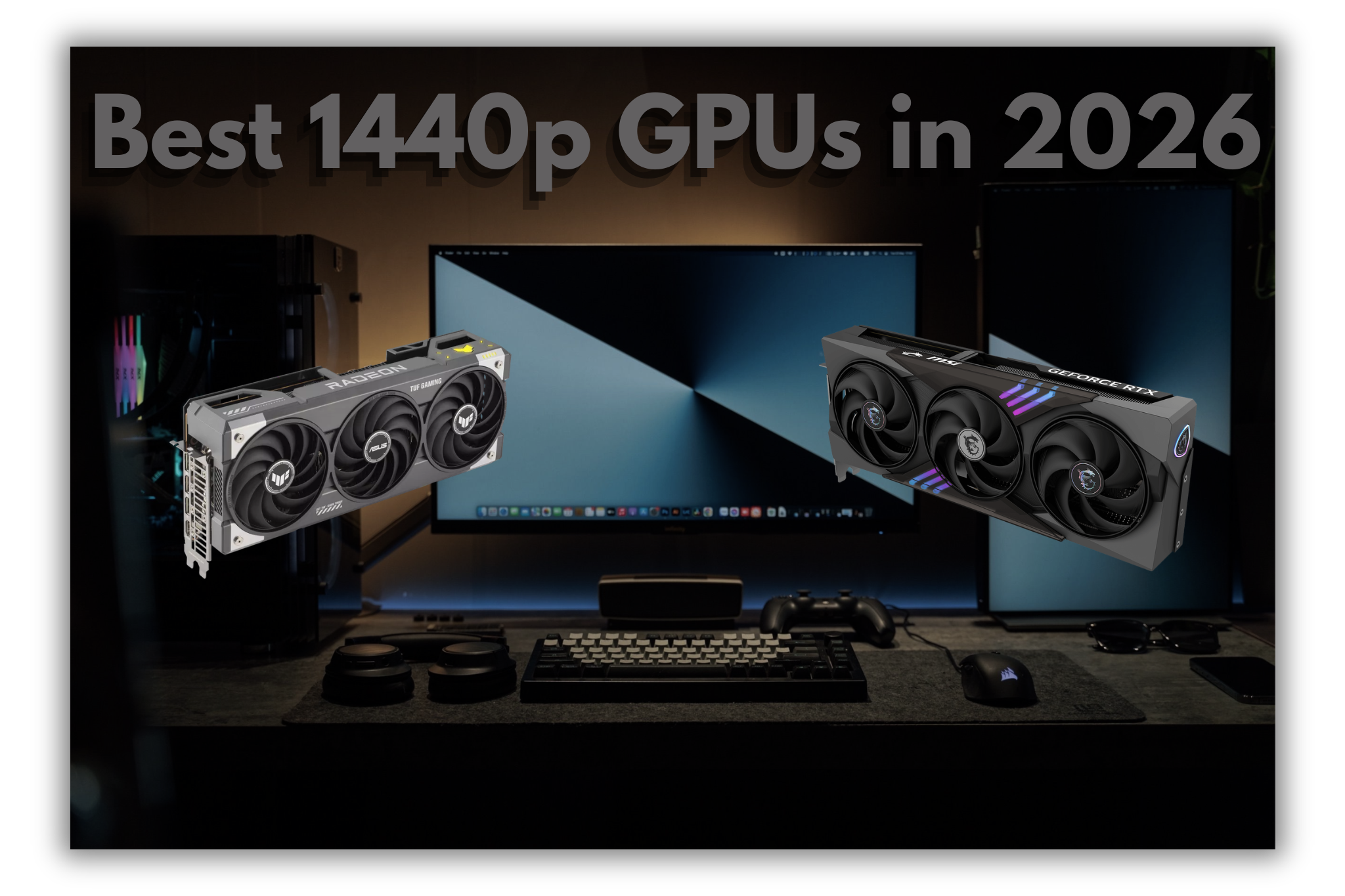
Also read: Best 1440p GPUs for Gaming in 2026
Specs
At first glance, the RTX 5070’s specs aren’t particularly exciting. It comes with 12GB of GDDR7 memory, 6,144 CUDA cores, and a 192-bit memory bus—solid numbers, but not the kind that immediately jump off the page.
| Architecture | Blackwell |
| CUDA Cores | 6,144 |
| VRAM | 12GB GDDR7 |
| Memory Bus | 192-bit |
| Memory Bandwidth | 672 GB/s |
| Base Clock | 2.33 GHz |
| Boost Clock | 2.51 GHz |
| Ray Tracing Cores | 4th Generation |
| Tensor Cores | 5th Generation |
| TBP | 250W |
| Recommended PSU | 750W |
If you’re looking for a huge hardware leap over previous generations, you won’t really find it here. Instead, NVIDIA is betting heavily on DLSS 4, Multi Frame Generation, and improved ray tracing performance to do the heavy lifting.
12GB GDDR7 VRAM
The RTX 5070 comes with 12GB of GDDR7 memory, and that’s probably the first specification many buyers will look at. The amount isn’t a problem for 1440p gaming today, but it does feel conservative on a graphics card that often sells for over $600.
That’s especially true when AMD has been more generous with VRAM in this price range. While NVIDIA is relying on faster GDDR7 memory and software features like DLSS 4 to strengthen its case, the 12GB capacity is difficult to ignore. More memory wouldn’t have transformed the RTX 5070 overnight, but it would have made the card easier to recommend
For current games, 12GB gets the job done very well. The bigger concern is longevity,a graphics card in this price bracket is expected to last for years, and that’s where NVIDIA’s decision starts to look less convincing.
Ray Tracing and DLSS 4
The RTX 5070 isn’t the fastest graphics card you can buy for around $600, but features like ray tracing and DLSS 4 help explain why many gamers are willing to pay a premium for NVIDIA hardware.
In games that support heavy ray tracing, the RTX 5070 is generally more comfortable than similarly priced AMD alternatives. Turn on advanced lighting effects in a title like Cyberpunk 2077, and the gap becomes much harder to ignore.
DLSS 4 is arguably the card’s most important feature. The 12GB frame buffer will attract most of the debate, but DLSS is what many buyers will interact with every time they launch a demanding game. In supported games, Multi Frame Generation can push frame rates far beyond what the hardware could achieve on its own, allowing the RTX 5070 to deliver frame rates that would otherwise require a more expensive GPU.
That’s what makes the RTX 5070 such an interesting card. On raw hardware alone, it’s not an overwhelming upgrade but once DLSS 4 enters the conversation, the card becomes much easier to justify.
Design and Build
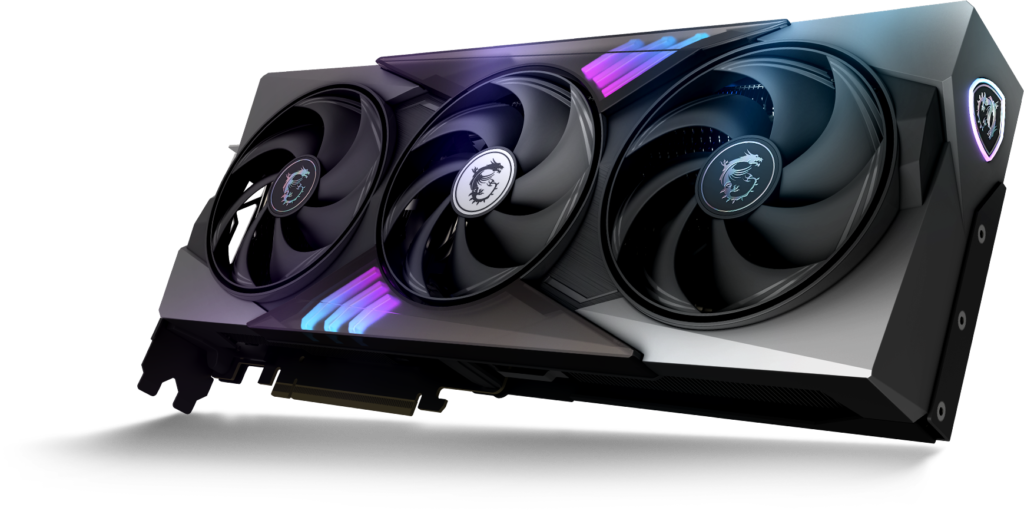
At first glance, many RTX 5070 models look surprisingly large for a 250W graphics card. The reason becomes clearer once you look beyond the cooler. The actual PCB is relatively compact, with the GPU and six GDDR7 memory chips packed closely together to maintain signal integrity at extremely high memory speeds. Much of the card’s overall size comes from the cooling system rather than the electronics themselves.
That oversized cooling approach has its advantages. Most RTX 5070 models run cool and quiet under load, and many manufacturers include metal backplates, reinforced frames, and factory overclocks as standard. The downside is that some cards occupy three slots or more, which can create compatibility issues in smaller cases.
The result is a graphics card that often feels physically larger than its power requirements would suggest. .
PSU Requirements and CPU pairing
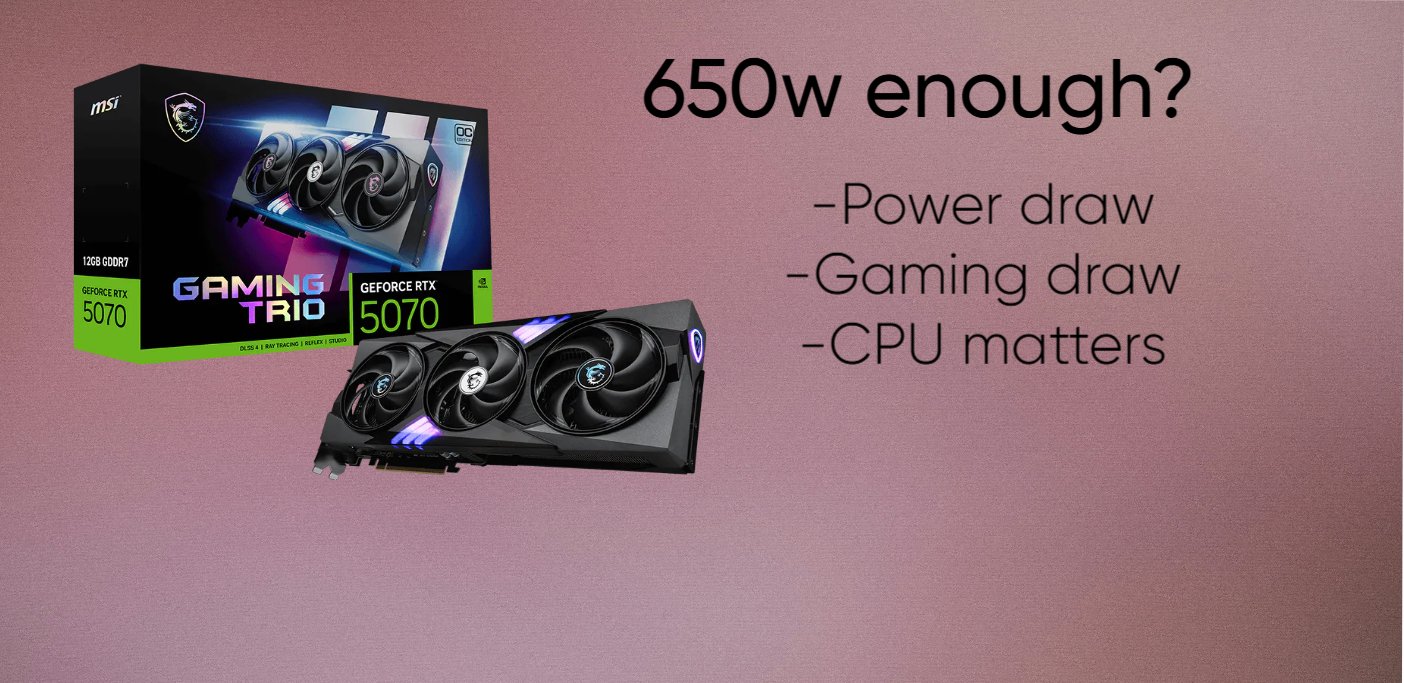
The RTX 5070 has a 250W Total Board Power (TBP), which is refreshingly reasonable by modern GPU standards. While flagship graphics cards continue to push power consumption higher, the RTX 5070 delivers strong performance without demanding an extreme amount of power.
NVIDIA lists 650W as the minimum PSU requirement, but a quality 750W to 850W power supply is the recommended for most gaming builds, as it provides additional headroom for modern CPUs, future upgrades, and power spikes under load.
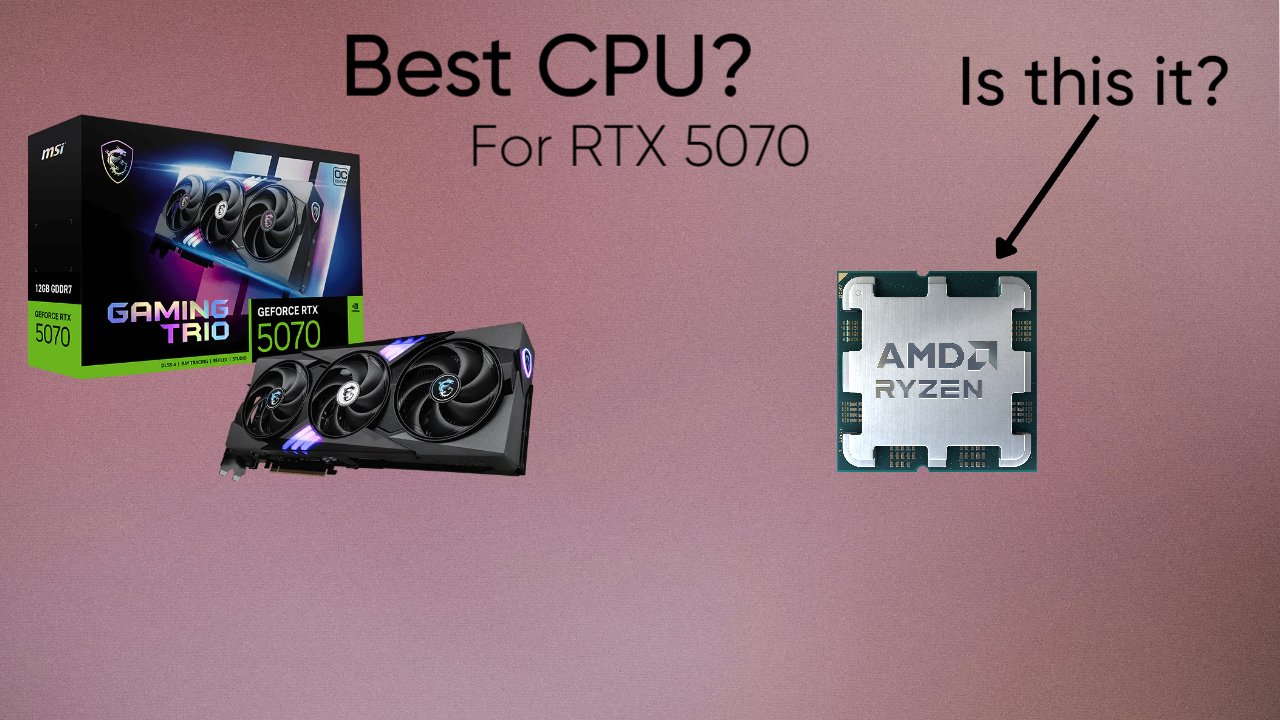
The RTX 5070 doesn’t require a flagship processor, but pairing it with an older or lower-end CPU can limit performance, especially in CPU intensive games. For the best experience and if budget allows, a modern mid-range or high-end processor such as a AMD Ryzen 7 9800X3D or Intel i5-14600K is highly reccomended. At 1440p, the GPU does most of the heavy lifting, making severe CPU bottlenecks less common than at 1080p.
Price
The RTX 5070 launched with an MSRP of $549, but most models currently sell for around $600–650. Exact pricing varies depending on the manufacturer, cooling solution, and availability, with premium models often sitting at the higher end of that range.
While the RTX 5070 isn’t cheap, it sits firmly within the expected price bracket for a modern upper-midrange graphics card. Buyers should expect to spend at least $600 for most models, especially those with larger coolers and factory overclocks.
1440p Gaming Performance
The RTX 5070 doesn’t completely dominate its price class, but it rarely looks out of place at 1440p. Modern games remain comfortably playable at high or ultra settings, while less demanding titles can easily push frame rates into territory where the monitor becomes the limiting factor rather than the GPU itself.
Esports performance is unsurprisingly excellent. Games such as Valorant and Counter-Strike 2 can push frame rates well into the hundreds, leaving plenty of headroom for high-refresh-rate monitors.
| Game | Graphics Preset | Native FPS (Pure Rasterization) | DLSS on |
|---|---|---|---|
| Cyberpunk 2077 | Highest | 54–60 FPS | 82–90 FPS |
| Black Myth: Wukong | Highest | 50–55 FPS | 76–84 FPS |
| Alan Wake 2 | Highest | 52–58 FPS | 78–86 FPS |
| Hogwarts Legacy | Highest | 100–112 FPS | 135–148 FPS |
| Starfield | Highest | 84–94 FPS | 115–125 FPS |
| Red Dead Redemption 2 | Highest | 118–128 FPS | 155–170 FPS |
| Assassin’s Creed Shadows | Highest | 68–76 FPS | 92–104 FPS |
| S.T.A.L.K.E.R. 2 | Highest | 60–68 FPS | 90–100 FPS |
| Call of Duty: Black Ops 6 | Highest | 135–150 FPS | 180–195 FPS |
| Counter-Strike 2 | Highest | 300–340 FPS | N/A |
All benchmarks were recorded at 1440p using each game’s highest non-ray-traced graphics preset. Native results were captured without upscaling, while DLSS results use the Quality preset. Preset names vary between titles (Ultra, Epic, Extreme, Very High, etc.), so “Highest” is used for consistency.
The benchmark results reveal an interesting pattern. The RTX 5070 isn’t relying on a handful of standout wins to make its case. Instead, it delivers consistently strong performance across a wide range of games. Even demanding titles such as Cyberpunk 2077, Alan Wake 2, and Black Myth: Wukong remain comfortably playable at native 1440p, while less intensive games leave plenty of room for high-refresh-rate displays.
What’s perhaps more notable is what doesn’t appear in the table. There are no obvious weak spots. Some graphics cards excel in a few games and struggle in others, but the RTX 5070 rarely looks out of its depth. DLSS only reinforces that impression, often providing a sizeable performance boost without forcing major sacrifices to image quality. The end result isn’t a card that dominates every benchmark chart, it’s a card that rarely gives you a reason to worry about whether a game will run well in the first place.
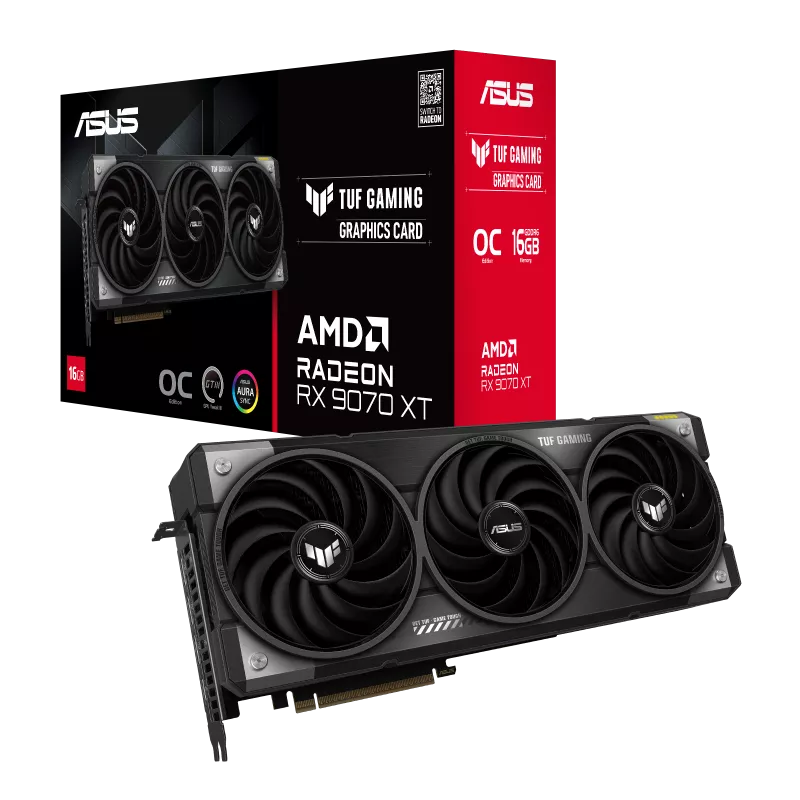
RTX 5070 vs RX 9070 XT
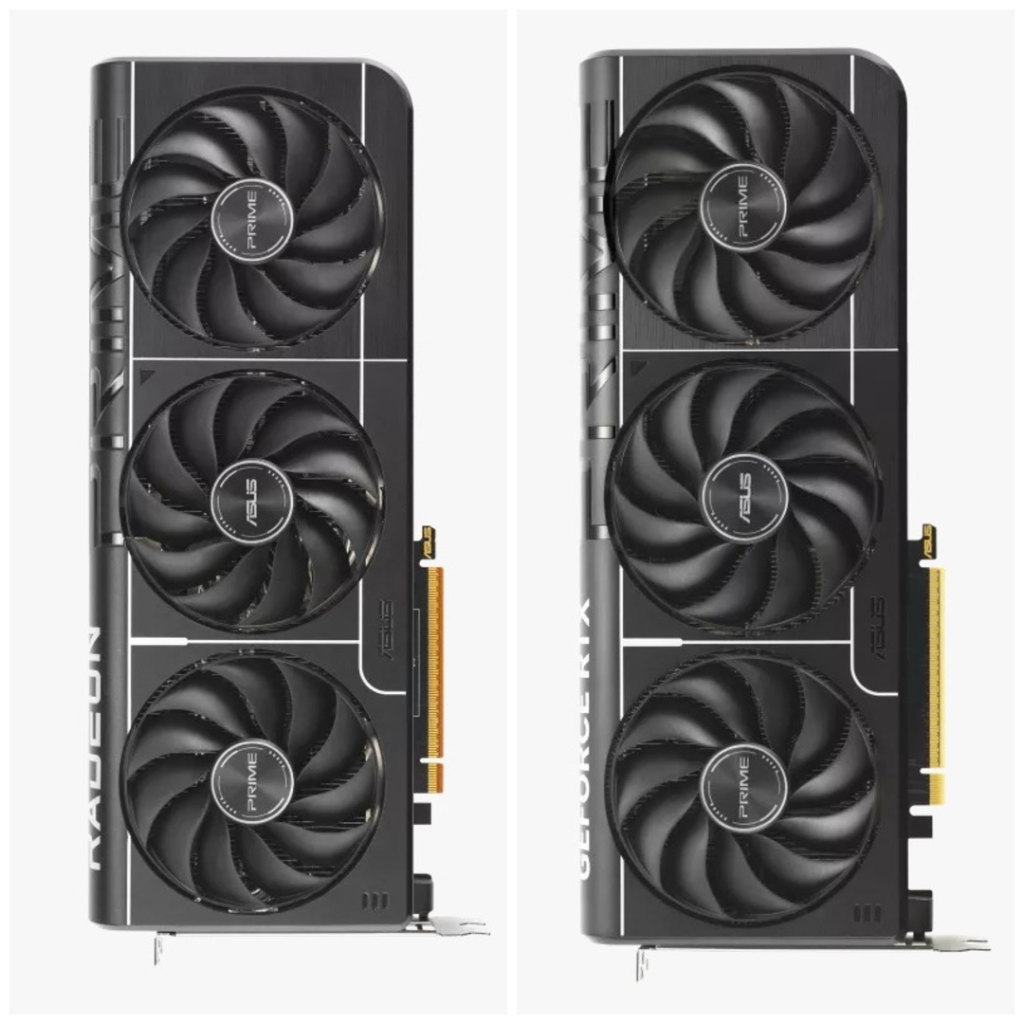
The RTX 5070 and RX 9070 XT are arguably the two strongest contenders for the title of best 1440p graphics card. Both target the same audience, both offer excellent gaming performance, and they are in the same price bracket
At first glance, the RX 9070 XT appears to have a clear advantage. It offers 16GB of VRAM compared to the RTX 5070’s 12GB and generally delivers higher frame rates in traditional rasterized games. However, the gap is much smaller than the numbers on a specification sheet might suggest.
Unlike the RTX 5060 and RX 9060 XT, where VRAM capacity becomes a much larger talking point, the RTX 5070’s 12GB frame buffer feels less restrictive at the performance level these cards operate in. While the RX 9070 XT undoubtedly has the stronger memory configuration, the difference is not as decisive in real-world gaming as many buyers might expect.
Ray tracing is also far more competitive than previous AMD versus NVIDIA matchups. While NVIDIA still benefits from DLSS 4 and its broader software ecosystem, the RX 9070 XT is capable of trading blows in many ray-traced workloads rather than falling significantly behind.
The biggest advantage for the RTX 5070 is efficiency. With a 250W power draw, it delivers a similar class of performance while consuming noticeably less power than the RX 9070 XT. That translates into lower heat output, reduced PSU requirements, and potentially quieter systems depending on the specific model.
In the end, the choice is surprisingly close. The RX 9070 XT offers more VRAM and a small lead in rasterized performance, while the RTX 5070 counters with better efficiency, DLSS 4, and a mature software ecosystem. Neither card completely outclasses the other, which is exactly why this has become one of the most competitive GPU matchups in the current market.
Check RX 9070 XT price on Amazon
| Specification | RTX 5070 | RX 9070 XT |
|---|---|---|
| VRAM | 12GB GDDR7 | 16GB GDDR6 |
| Ray Tracing | Better | Good |
| Upscaling | DLSS 4 | FSR 4 |
| Raster Performance | Good | Better |
| Power Draw | 250W | ~300W |
| Best For | Features & RT | Raw FPS |
RTX 5070 vs RTX 4070 Super
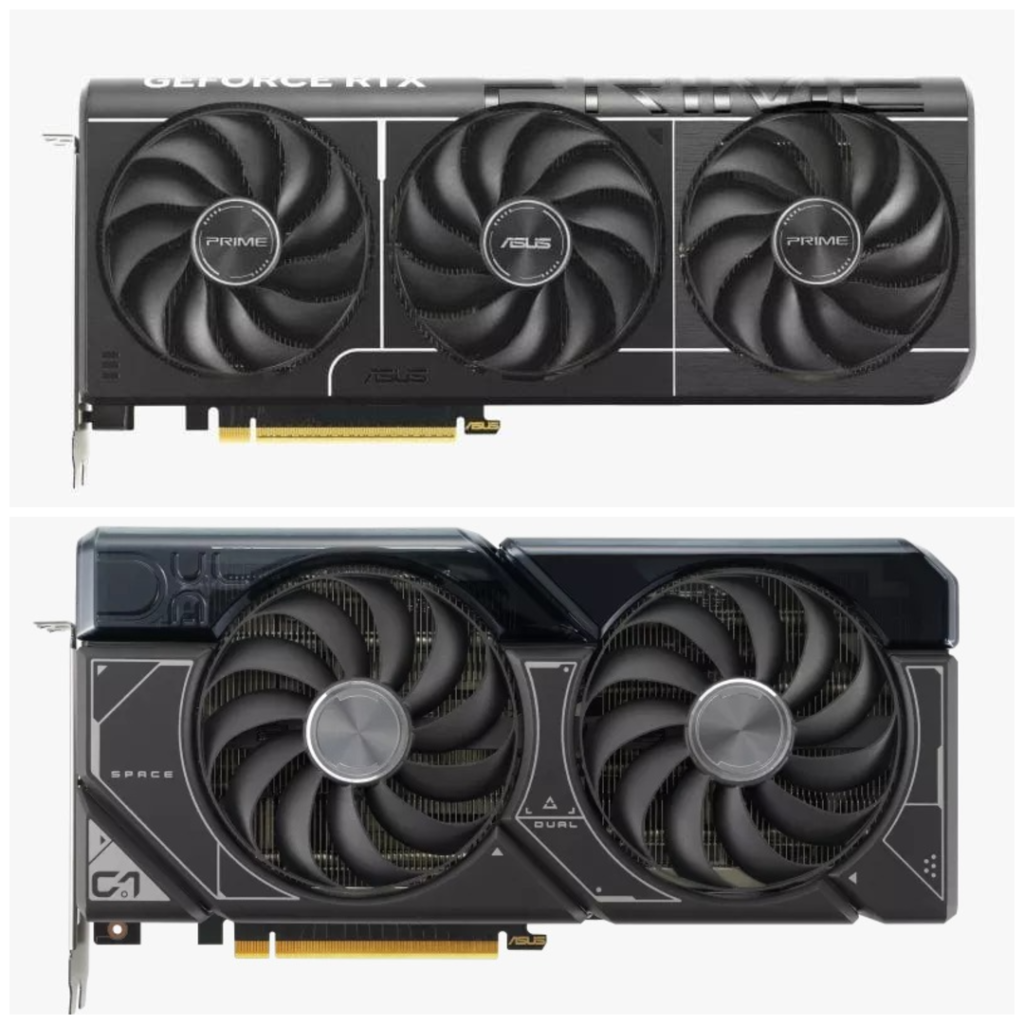
Unlike the RTX 5070 vs RX 9070 XT comparison, this matchup isn’t really about AMD versus NVIDIA or rasterization versus ray tracing. The thing is that the RTX 4070 Super aged remarkably well. Despite being a generation older, it remains close enough in gaming performance that the RTX 5070 often has to rely on its newer features to justify its existence.
That’s not to say the RTX 5070 lacks advantages. Blackwell brings support for DLSS 4, Multi Frame Generation, and faster GDDR7 memory, while ray tracing performance sees modest improvements in some workloads. On paper, its the more advanced graphics card.
The problem is that the RTX 4070 Super never stopped being a great one. It packs more CUDA cores, remains one of the most efficient GPUs NVIDIA has released, and is often available for $20–30 less than comparable RTX 5070 models. More importantly, the gap in traditional gaming performance is rarely large enough to transform the overall experience.
That makes this comparison surprisingly difficult. If the RTX 5070 were significantly faster, the newer architecture would be enough to settle the debate. Instead, both cards spend much of their time occupying the same performance tier. When frame rates are this close, factors such as pricing, power consumption, and feature support become just as important as the benchmark results themselves.
For existing RTX 4070 Super owners, the RTX 5070 is an especially hard sell. The newer features are nice to have, but the performance uplift alone is unlikely to justify the cost of an upgrade. For first-time buyers, the decision is much closer, and may come down to whether DLSS 4 and Multi Frame Generation matter more than saving a little money on a card that remains highly competitive.
Check RTX 4070 Super price on Amazon
| Specification | RTX 5070 | RTX 4070 Super |
|---|---|---|
| Architecture | Blackwell | Ada Lovelace |
| CUDA Cores | 6,144 | 7,168 |
| VRAM | 12GB GDDR7 | 12GB GDDR6X |
| Memory Bandwidth | 672 GB/s | 504 GB/s |
| Power Draw | 250W | 220W |
| DLSS Version | DLSS 4 | DLSS 3 |
| Price | $600–650 | $580–610 |
Who Should Buy the RTX 5070?
The RTX 5070 is an excellent choice for gamers building a new 1440p gaming PC or upgrading from older GPUs such as the RTX 3070, RTX 3060 Ti, RX 6700 XT, or similar-class hardware. It delivers strong performance in modern games, handles ray tracing well, and benefits from NVIDIA’s latest technologies, including DLSS 4 and Multi Frame Generation.
As this RTX 5070 review has shown, the card offers a strong balance of performance, efficiency, and features. Features such as DLSS, Reflex, Broadcast, and strong creator support help the RTX 5070 offer more than just raw gaming performance.
Who Should Skip the RTX 5070?
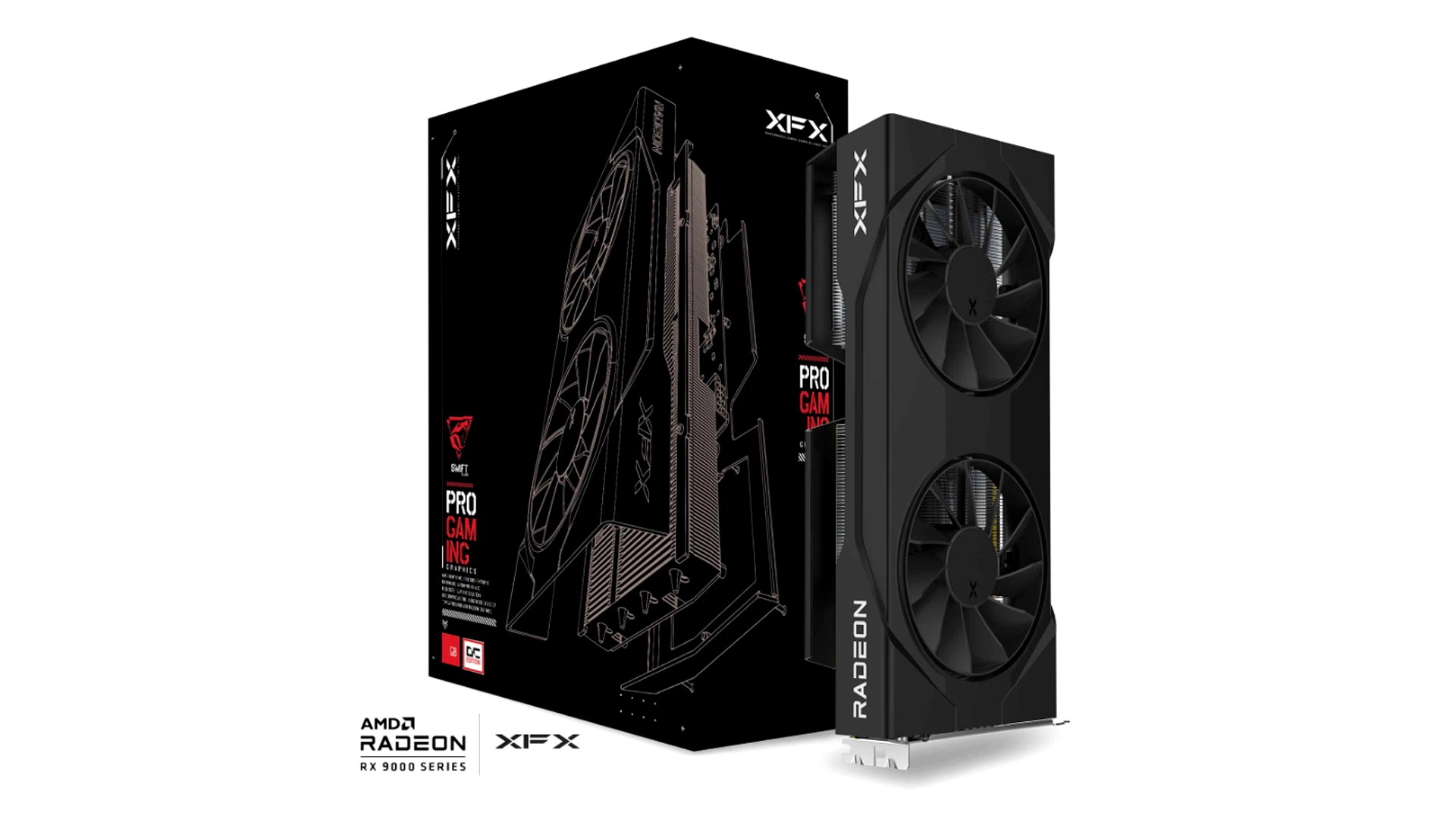
Buyers focused primarily on rasterized gaming performance should also take a close look at the RX 9070 XT. AMD’s card often delivers slightly higher frame rates while offering 16GB of VRAM, making it a strong alternative for gamers who place less importance on NVIDIA-exclusive features.
Also current RTX 4070 Super owners have little reason to upgrade. While the RTX 5070 introduces newer features and architectural improvements, the overall gaming experience remains surprisingly similar in many titles. The performance gains alone are unlikely to justify the cost of replacing a card that is still highly capable
Finally, gamers still playing at 1080p may find the RTX 5070 unnecessary unless they plan to upgrade their monitor in the near future. The card is at its best when paired with a 1440p display, where its performance and feature set make far more sense.
Final Verdict
The RTX 5070 is one of the most well-rounded graphics cards currently available for 1440p gaming. It combines strong gaming performance, excellent ray tracing capabilities, DLSS 4 support, and reasonable power consumption into a package that feels purpose-built for modern PC gaming.
What makes the card interesting isn’t that it dominates every benchmark. In fact, some of its closest competitors can match or even surpass it in specific areas. The RX 9070 XT often delivers slightly higher rasterized performance, while the older RTX 4070 Super remains surprisingly competitive despite its age. Yet neither comparison takes away from what the RTX 5070 does well.
The card rarely struggles, rarely feels outmatched, and rarely gives you a reason to second-guess your purchase. That’s ultimately its biggest strength. Rather than chasing benchmark records, the RTX 5070 focuses on delivering a consistently excellent gaming experience across a wide variety of titles.
It’s not a perfect graphics card. The 12GB frame buffer will continue to spark debate, and its asking price places it in a fiercely competitive market. Even so, for gamers looking to build a high-end 1440p system with access to NVIDIA’s latest technologies, the RTX 5070 remains one of the strongest options available today.
Check RTX 5070 current price on Amazon
Frequently Asked Questions
Is the RTX 5070 good for 1440p gaming?
Yes. The RTX 5070 is primarily designed for 1440p gaming and delivers strong performance across both modern AAA titles and competitive esports games. It is particularly well-suited for high-refresh-rate 1440p monitors.
Is the RTX 5070 good for 4K gaming?
The RTX 5070 can handle 4K gaming, but it is not a dedicated 4K powerhouse. Less demanding games run well at 4K, while newer AAA titles often benefit from DLSS to maintain smooth frame rates.
How much VRAM does the RTX 5070 have?
The RTX 5070 comes with 12GB of GDDR7 memory. While some competing cards offer more VRAM, 12GB remains sufficient for most current games at 1440p.
What power supply does the RTX 5070 need?
NVIDIA lists 650W as the minimum requirement. However, a quality 750W to 850W power supply is generally recommended for modern gaming systems, especially when paired with higher-end CPUs.
Is the RTX 5070 better than the RTX 4070 Super?
The RTX 5070 is the more advanced card, offering DLSS 4, Multi Frame Generation, and faster GDDR7 memory. However, gaming performance between the two is often surprisingly close, making the RTX 4070 Super a strong value alternative if priced lower.
Is the RTX 5070 better than the RX 9070 XT?
Neither card is a clear winner in every category. The RX 9070 XT generally offers slightly stronger rasterized performance and more VRAM, while the RTX 5070 benefits from DLSS 4, better efficiency, and NVIDIA’s software ecosystem.
Does the RTX 5070 support DLSS 4?
Yes. The RTX 5070 supports DLSS 4, including Multi Frame Generation, one of the card’s biggest advantages over previous-generation GPUs.
Is the RTX 5070 worth upgrading to?
For owners of older GPUs such as the RTX 3070, RTX 3060 Ti, or RX 6700 XT, the RTX 5070 represents a substantial upgrade. For RTX 4070 Super owners, the improvement is much smaller and may not justify the cost of upgrading.
Also read
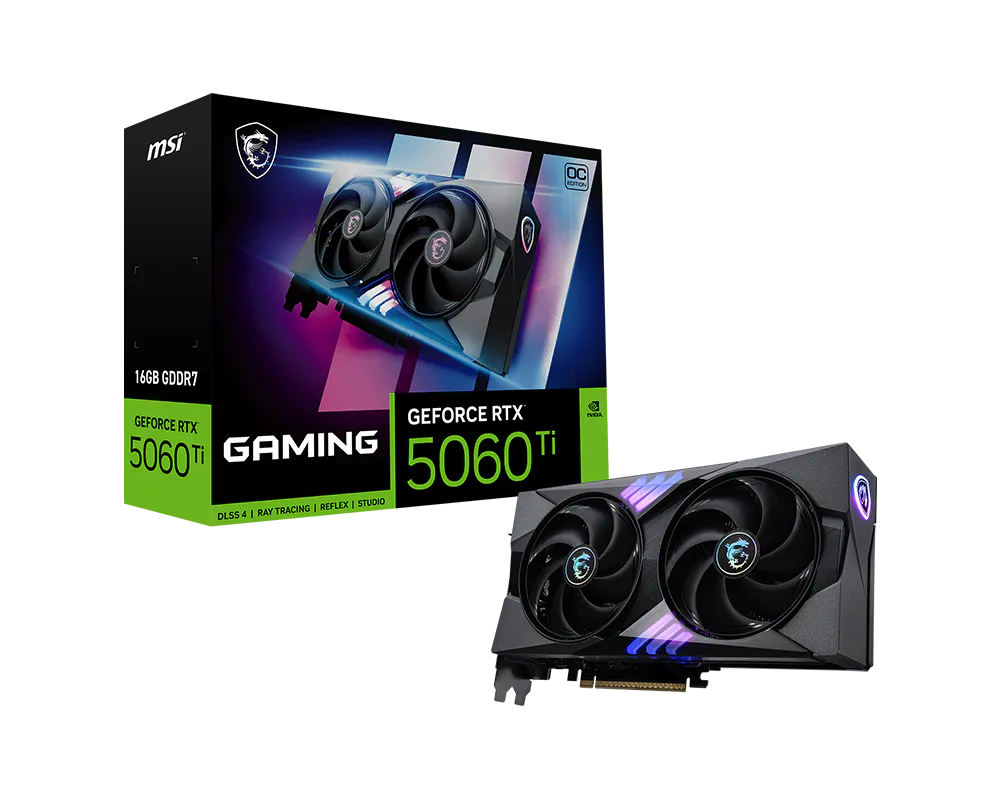
Is the RTX 5060 Ti good for 1440p gaming
RTX 5070 ti vs RTX 5070: Worth the Extra Money?
RTX 5070 vs RTX 4070: Should you upgrade?
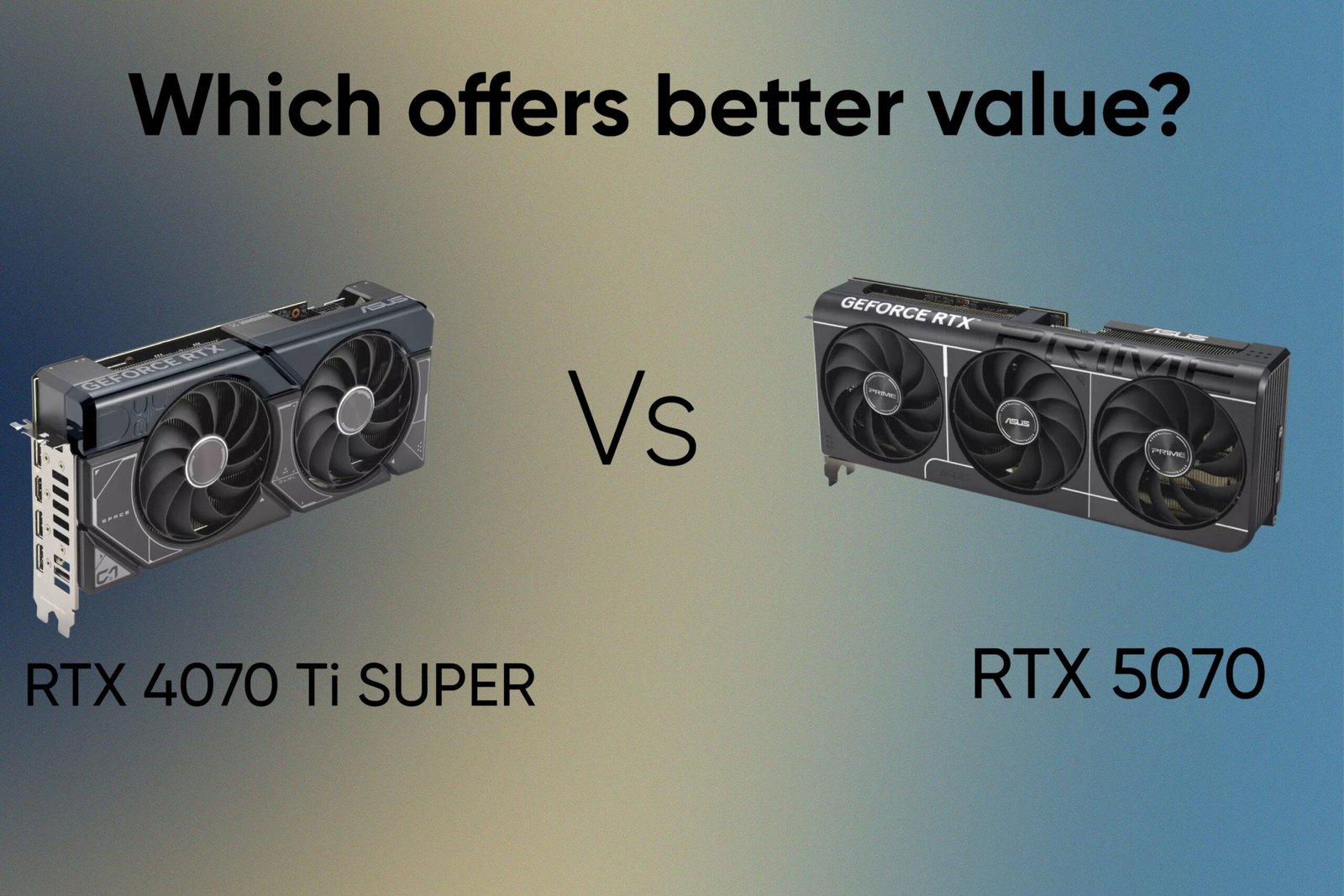
RTX 4070 Ti SUPER vs RTX 5070: Which offers better value?
RTX 5060 ti vs RX 9060 XT: Is NVIDIA worth paying $100 more?
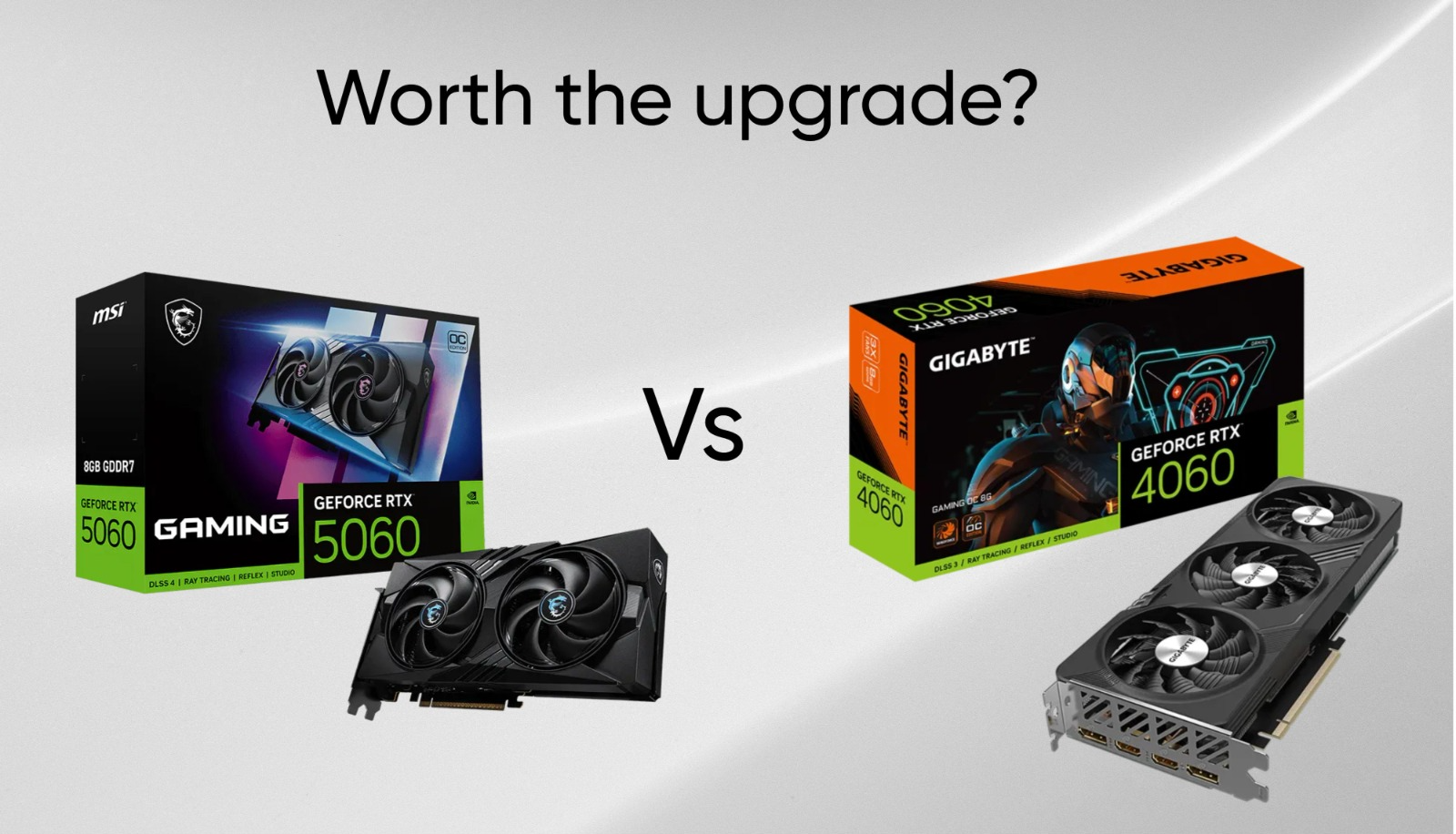
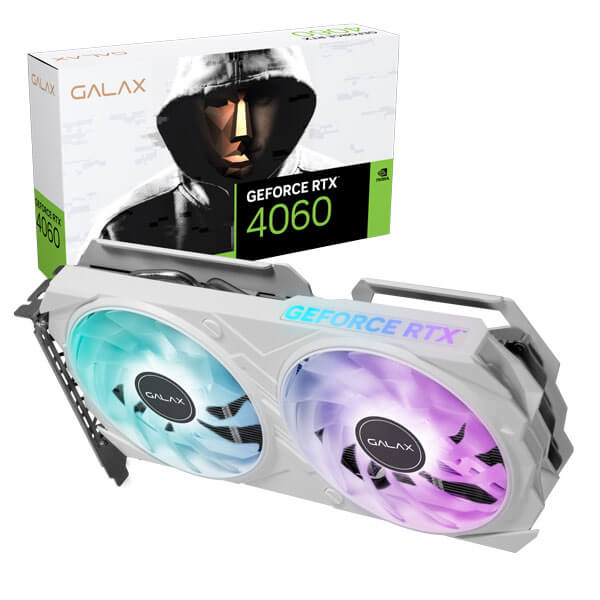
RTX 5060 vs RTX 4060: Is it worth the upgrade?
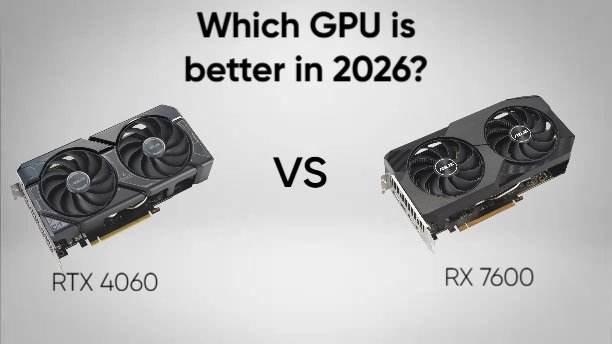
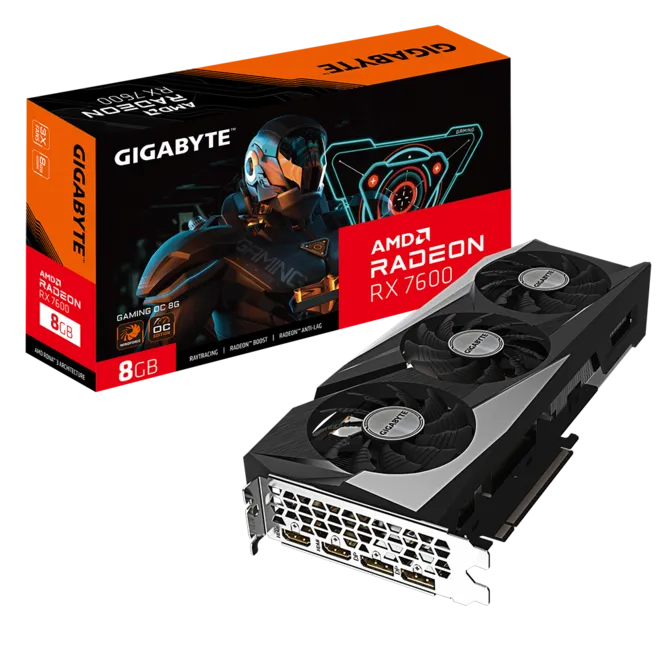
RTX 4060 vs RX 7600: Which is the better buy in 2026?
RX 9070 XT Review: Is It Future Proof?
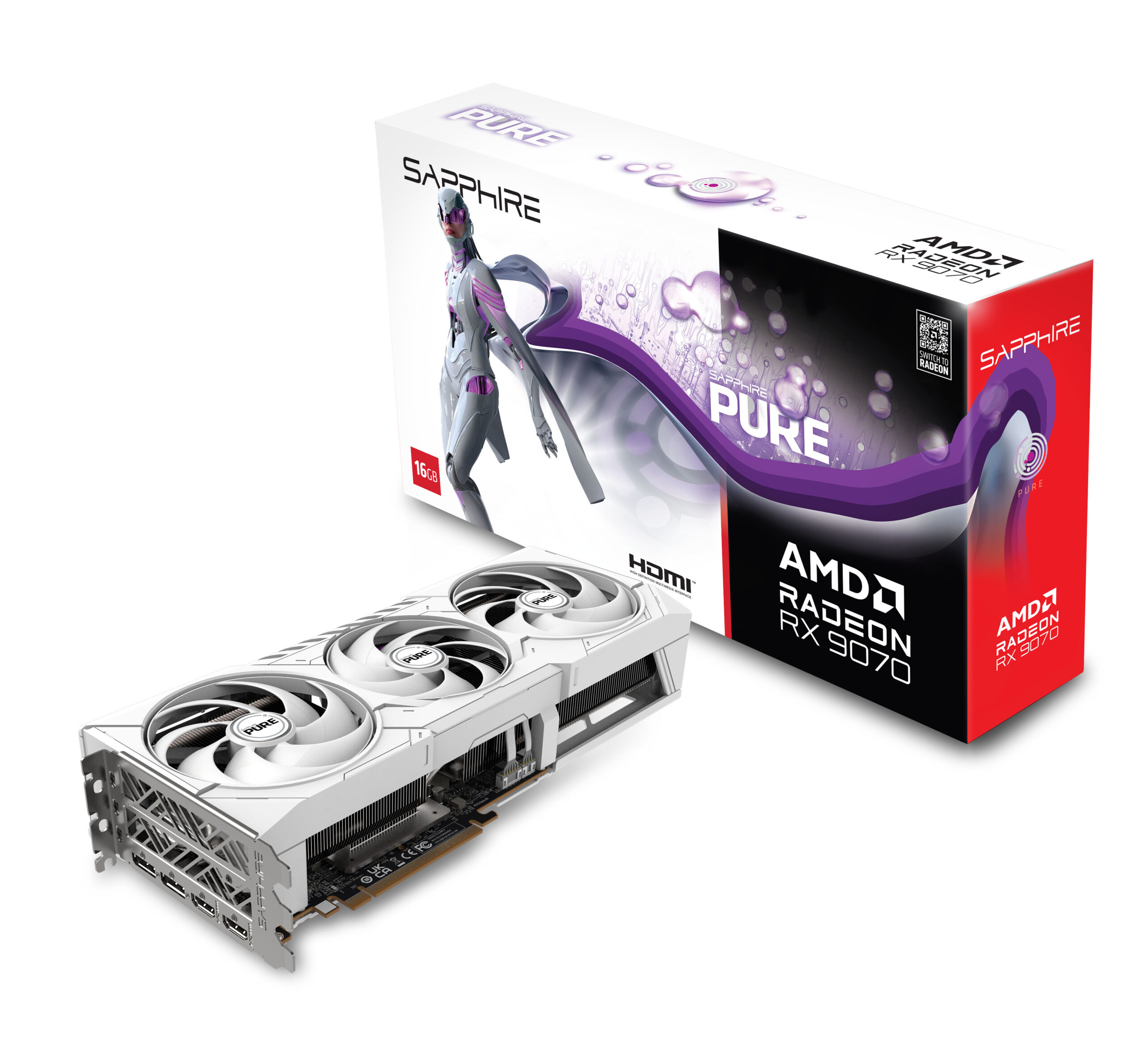
RX 9070 review: Is it REALLY worth your money?
RTX 5060 Review: Is 8gb VRAM enough in 2026
Best GPUs for 1080p gaming in 2026
Is RTX 4060 it still worth buying in 2026?
RTX 5060 vs RX 9060 XT: Which is the best 1080p GPU
Intel Arc B580 vs RTX 5060: Don’t buy until you read this
RTX 4070 review: Is it worth buying in 2026?
Samsung 990 Pro SSD review 2026
Logitech Superlight G Pro X Review
As an Amazon Associate I earn from qualifying purchases

Leave a Reply