
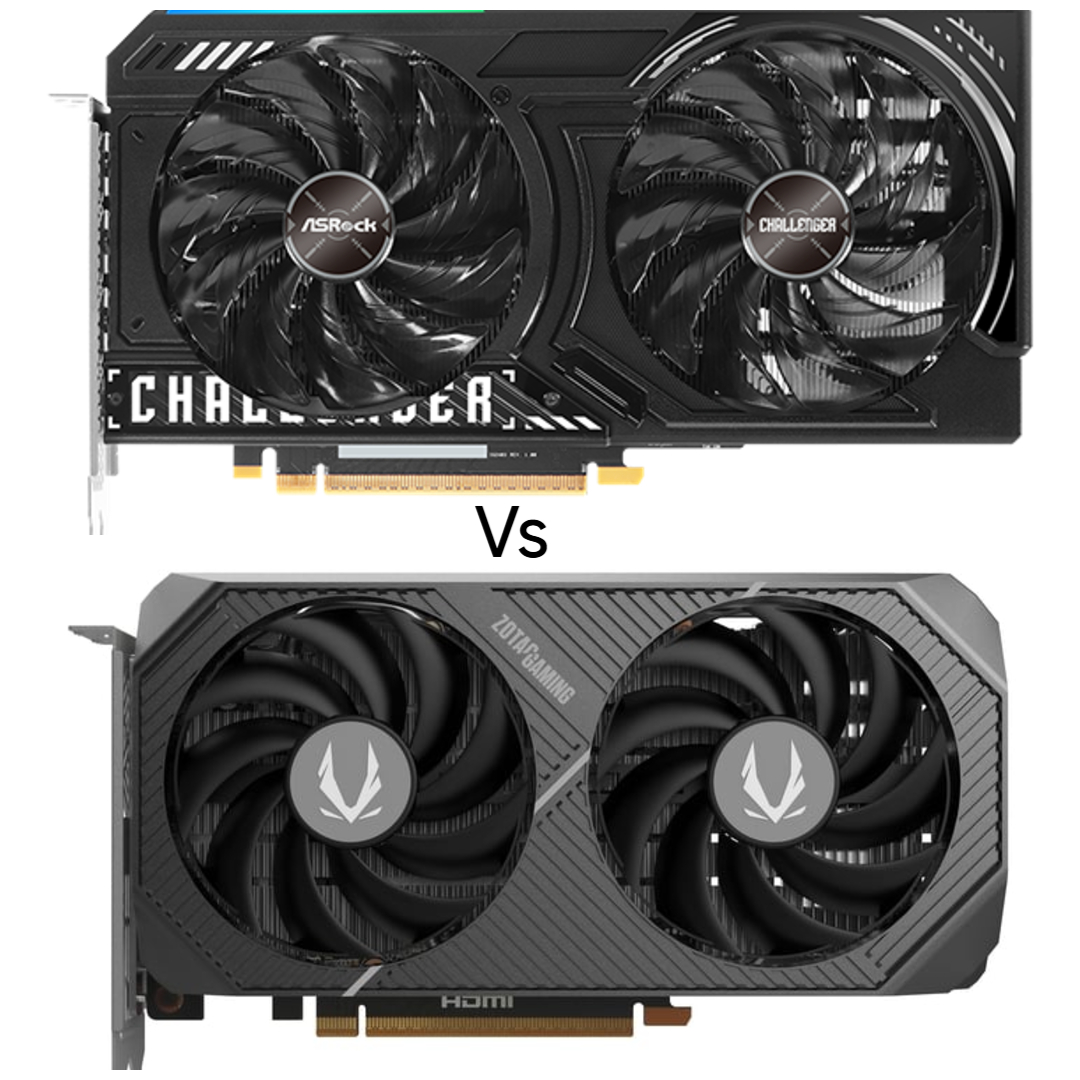
Intel Arc B580 vs RTX 5060: We compare 1080p & 1440p gaming, ray tracing, VRAM, DLSS 4, pricing, and reveal which GPU is the better buy in 2026.
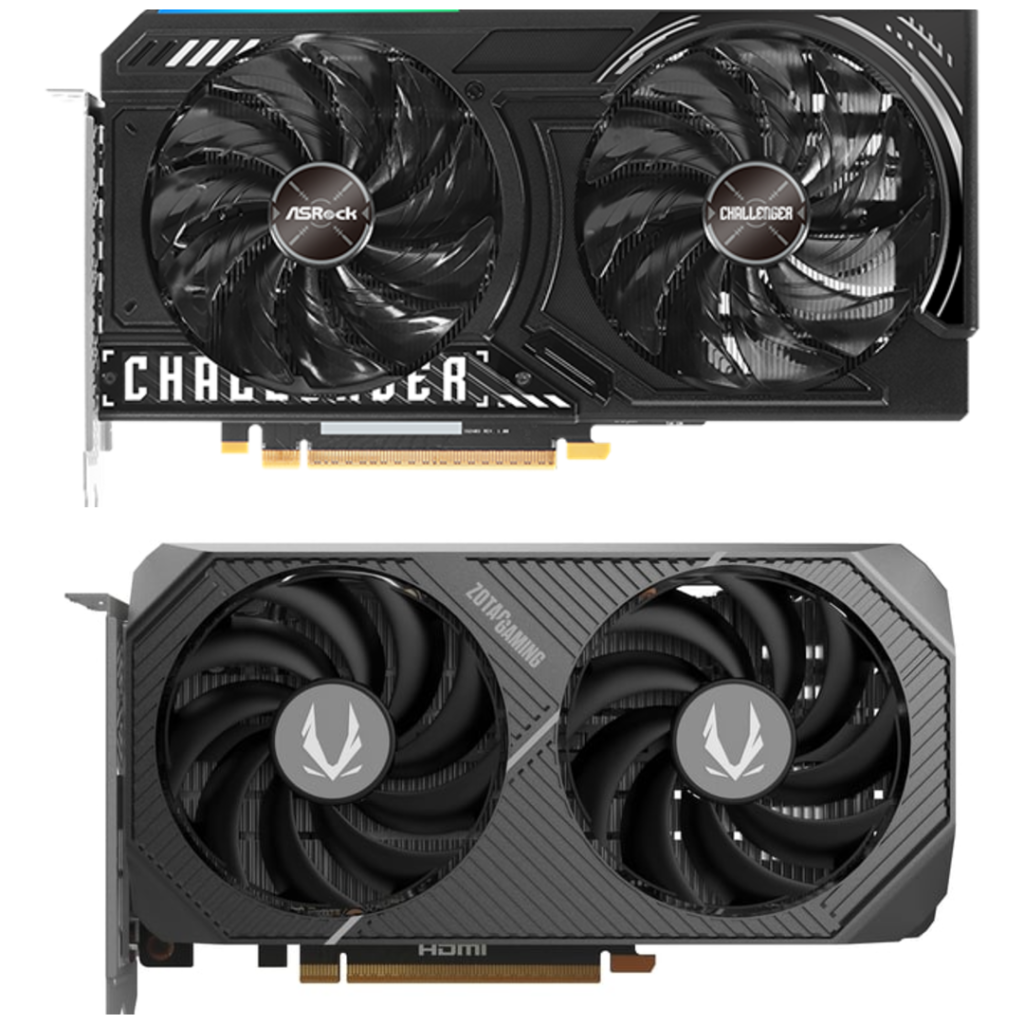
Quick verdict: The Intel Arc B580 is the better value, costing around $50 less while delivering excellent gaming performance and 12GB of VRAM. The RTX 5060, however, is the faster card at 1080p and offers stronger ray tracing, DLSS 4, and lower power consumption. If your budget allows, I’d pick the RTX 5060. If you’re looking to get the most performance for your money, the Arc B580 is hard to beat. Check current Intel Arc B580 prices on Amazon. Check current RTX 5060 prices on Amazon. Continue reading for detailed benchmarks and our full comparison.
Intel Arc B580 vs RTX 5060 Specifications
| Specification | Intel Arc B580 | RTX 5060 |
|---|---|---|
| Architecture | Xe2 Battlemage | Blackwell |
| VRAM | 12GB GDDR6 | 8GB GDDR7 |
| Memory Bus | 192-bit | 128-bit |
| Upscaling | XeSS 2 | DLSS 4 |
| Frame Generation | XeSS Frame Generation | DLSS Multi Frame Generation |
| Ray Tracing | Yes | Yes |
| Power Draw | 190W | 145W |
| Recommended PSU | 600W | 550W |
| Launch MSRP | $249 | $299 |
VRAM Comparison: 12GB vs 8GB
This is where the Intel Arc B580 has a clear advantage.
The Arc B580 comes with 12GB of GDDR6 memory on a 192-bit memory bus, while the RTX 5060 has 8GB of GDDR7 on a 128-bit bus. Yes, the RTX 5060’s memory is faster, but once a game needs more than 8GB of VRAM, memory speed isn’t the problem anymore. Capacity is.
For most 1080p games, the RTX 5060’s 8GB is still enough. Games like Resident Evil 4 Remake, Marvel Rivals, and Counter-Strike 2 run perfectly well without running into VRAM limits. The problem starts when you load up newer AAA games like Hogwarts Legacy, The Last of Us Part I, or Indiana Jones and the Great Circle with higher texture settings. Those games can easily push past 8GB, forcing you to lower textures or live with occasional stuttering.
That’s where the Arc B580’s extra 4GB becomes genuinely useful. It won’t suddenly make the card faster, but it gives you more room to crank up texture quality and makes it a better choice if you want to keep the card for the next few years.
If I had to choose between 8GB and 12GB at roughly the same price, I’d take 12GB every time. Modern games aren’t getting smaller, and VRAM is one area where having extra headroom is rarely something you’ll regret.
It’s also worth remembering that both the Intel Arc B580 and the RTX 5060 are primarily 1080p graphics cards. At this resolution, 8GB of VRAM is still enough for the vast majority of games, so it isn’t the major drawback that it becomes at 1440p or 4K. That said having 12GB of VRAM is still a nice advantage. It gives you more headroom for future games, high-resolution texture packs, and heavily modded titles without changing the settings as often.
Ray Tracing, Upscaling & Frame Generation
If ray tracing matters to you, the RTX 5060 is the easy winner.
NVIDIA has had years to refine both its ray tracing hardware and DLSS, and it shows. Games like Cyberpunk 2077, Alan Wake 2, and Black Myth: Wukong are simply a better experience on the RTX 5060. You can enable ray tracing, turn on DLSS 4, and in many supported games use Multi Frame Generation to recover a huge chunk of the lost performance.
Intel has made impressive progress with XeSS, and it’s much better today than it was when Arc first launched. In games that support it, XeSS can provide a worthwhile FPS boost without making the image look noticeably worse. The problem is consistency. DLSS is supported in more games, Frame Generation is more widely adopted, and NVIDIA’s overall software ecosystem still feels a step ahead.
If you mainly play competitive games or older titles without ray tracing, none of this matters much. But if you’re buying a GPU to play newer triple A games with all the visual effects turned on, the RTX 5060 has a clear advantage. It’s one of the biggest reasons someone would choose it over the Arc B580, even though the Intel card offers more VRAM for the money.
Also read our standalone RTX 5060 review
Power Efficiency
The RTX 5060 is noticeably more power efficient than the Intel Arc B580. It has a rated power draw of around 145W, while the Arc B580 is rated at 190W. During gaming, the RTX 5060 typically uses 100-150W, whereas the Arc B580 usually falls between 140-160W.
A 40-45W gap isn’t going to transform your electricity bill overnight, but it’s enough to notice in day-to-day use. The RTX 5060 generally runs cooler, puts less strain on your power supply, and is easier to cool, especially in smaller PC cases.
NVIDIA recommends a 550W power supply, while Intel suggests at least 600W for the Arc B580. If you’re upgrading an older gaming PC with a modest power supply, that difference could save you from buying a new PSU altogether.
The extra power draw isn’t a deal-breaker, but efficiency is one of those areas where NVIDIA still has the edge. If you value cooler operation, lower fan noise, or you’re building a compact PC, the RTX 5060 is simply the easier card to live with.
Pricing
The Intel Arc B580 is currently one of the more affordable, with most models selling for around $280–$310.
The NVIDIA GeForce RTX 5060, on the other hand, typically costs between $330 and $360, putting it at roughly $50 more than the Arc B580.
Check current Intel Arc B580 prices on Amazon
Check current RTX 5060 prices on Amazon
Gaming Performance
1080p Gaming
The RTX 5060 takes the lead in raw 1080p gaming performance. It isn’t a night-and-day difference, but across most modern games, NVIDIA’s card consistently comes out ahead.
In traditional rasterized games, the RTX 5060 is typically around 10% to 15% faster than the Intel Arc B580 at 1080p, with the gap growing larger in certain esports titles and games that favor NVIDIA’s architecture. If you’re aiming for high refresh rate gaming on a 144Hz or 240Hz monitor, those extra frames can make a noticeable difference.
Games like Counter-Strike 2, Call of Duty: Modern Warfare III, Forza Horizon 5, and God of War Ragnarök generally run better on the RTX 5060. In GPU-heavy AAA titles, the advantage is still there, although it tends to be smaller than in competitive shooters.
The Arc B580 isn’t far behind, though. In many modern games, especially those that are more GPU-bound, Intel’s card stays surprisingly close to the RTX 5060. Once you move up to 1440p, the performance gap usually shrinks as the workload shifts more toward the GPU instead of the CPU. In titles like Starfield and Hogwarts Legacy, the B580 often trails by only a small margin and can occasionally match the RTX 5060 in particularly VRAM-intensive scenes.
| Game | Graphics Preset | RTX 5060 | Intel Arc B580 |
|---|---|---|---|
| Cyberpunk 2077 | 1080p Ultra | 94 FPS | 84 FPS |
| Black Myth: Wukong | 1080p High | 72 FPS | 64 FPS |
| Hogwarts Legacy | 1080p Ultra | 96 FPS | 88 FPS |
| Alan Wake 2 | 1080p High | 67 FPS | 59 FPS |
| Resident Evil 4 Remake | 1080p Max | 141 FPS | 126 FPS |
| Starfield | 1080p Ultra | 83 FPS | 78 FPS |
| Silent Hill 2 | 1080p High | 61 FPS | 55 FPS |
| God of War Ragnarök | 1080p Ultra | 113 FPS | 101 FPS |
| Marvel Rivals | 1080p Epic | 122 FPS | 111 FPS |
| Counter-Strike 2 | 1080p Very High | 318 FPS | 272 FPS |
Test system: Intel Core i5 (13th Gen), 32GB DDR5 RAM, Windows 11. Results are estimated averages at native 1440p without upscaling or frame generation. Actual performance will vary depending on the game version, drivers, and hardware configuration.
One thing that’s worth mentioning is CPU overhead. Intel’s graphics drivers generally place a little more load on the processor than NVIDIA’s. On newer CPUs, this isn’t much of an issue, but users pairing the Arc B580 with older processors such as a Ryzen 5 3600 or earlier Intel Core chips may see a slightly larger performance drop than they would with the RTX 5060.
If your goal is simply the highest possible FPS at 1080p, the RTX 5060 is the stronger graphics card. The Arc B580 remains a capable competitor, but NVIDIA’s card delivers more consistent gaming performance across a wider variety of titles.
Also read: Best GPUs for 1080p gaming in 2026
1440p Gaming
If the RTX 5060 owns the 1080p conversation, 1440p is where the Intel Arc B580 finally starts making sense.
The extra 4GB of VRAM and 192-bit memory bus don’t magically make it a faster graphics card, but they do become much more useful once you increase the resolution. Games that barely fit inside an 8GB framebuffer at 1080p start asking for even more memory at 1440p, and that’s where the Arc B580 begins to justify its existence.
You can see it in games like Starfield, Hogwarts Legacy, and The Last of Us Part I. The RTX 5060 is still usually ahead, but the lead is often only a few frames instead of the double-digit advantage it enjoys at 1080p. In scenes that are particularly VRAM-heavy, the Arc B580 can even pull level rather than falling further behind.
That doesn’t mean the RTX 5060 suddenly becomes the weaker card. Games such as Cyberpunk 2077, Alan Wake 2, and other titles that lean heavily on NVIDIA’s architecture still run better on the 5060. Add DLSS into the mix, and NVIDIA keeps its advantage.
The bigger takeaway is that 1440p exposes the RTX 5060’s biggest weakness: 8GB of VRAM. Today, that’s not enough to ruin the experience, but it’s something you’ll notice sooner at 1440p than you ever will at 1080p. If you’re planning to spend most of your time gaming at 1440p, the Arc B580 is a much stronger value than it first appears.
Also read: Best GPUs for 1440p gaming
Intel Arc B580 vs RTX 5060: Which One Offers Better Value?
If these two cards were the same price, I’d probably recommend the RTX 5060. It has stronger ray tracing, better driver support, lower power consumption, and DLSS 4. It’s simply the more complete graphics card.
But they’re not the same price.
Right now, the Intel Arc B580 is roughly $50 cheaper, and that changes the conversation. Saving fifty dollars isn’t pocket change when you’re building a gaming PC. That’s money you can put toward a larger SSD, another 16GB of RAM, or simply keep in your wallet.
The bigger surprise is that you’re not giving up as much gaming performance as you might expect. At 1080p, the RTX 5060 is faster, but the gap usually isn’t large enough to justify spending another fifty dollars if your main priority is getting the most FPS for your money. Move up to 1440p, and the B580 looks even more appealing as the performance difference narrows in many modern games.
Here’s how I’d look at it: if your budget is tight, buy the Intel Arc B580 and don’t overthink it. It’s one of the best-value graphics cards you can buy right now.
If an extra $50 isn’t going to affect your budget, I’d spend it on the RTX 5060. The stronger ray tracing, DLSS 4, lower power draw, and more mature software ecosystem make it the card I’d rather own over the next few years.
Who Should Buy the Intel Arc B580?
If your budget is tight, stop here and buy the Intel Arc B580.
It’s currently around $50 cheaper than the RTX 5060, yet you’re not giving up enough gaming performance to make that price difference feel painful. At 1080p, it handles modern games extremely well, and if you decide to move up to 1440p, the 12GB of VRAM gives you a little more breathing room than the RTX 5060’s 8GB.
I’d also pick the B580 if you don’t care much about ray tracing. Most gamers still spend the majority of their time playing rasterized games, and that’s exactly where Intel’s card makes the strongest case for itself. Save the fifty bucks, put it toward another component, and enjoy the extra VRAM.
Who Should Buy the RTX 5060?
The RTX 5060 is the card I’d recommend to someone who just wants things to work.
NVIDIA’s drivers are generally more mature, game support is excellent from day one, and features like DLSS 4 can deliver massive FPS gains in supported games while maintaining excellent image quality. If you enjoy ray tracing, the gap becomes even more obvious—the RTX 5060 simply handles those workloads better.
It’s also the easier card to recommend for people upgrading older systems. It draws less power, runs cooler, and requires a smaller power supply, making it easier to drop into an existing build without worrying about replacing other hardware.
Yes, you’ll spend about $50 more, but if that extra cost fits within your budget, you’re getting a graphics card that feels easier to live with over the long run.
Final Verdict
If I were choosing between these two graphics cards today, it would come down to one question: Is saving around $50 worth giving up NVIDIA’s extra features?
If the answer is yes, the Intel Arc B580 is an easy recommendation. It delivers excellent 1080p gaming performance, stays surprisingly competitive at 1440p, and its 12GB of VRAM gives it a little more breathing room in newer games. At its current price, it’s one of the best-value graphics cards you can buy.
If an extra $50 doesn’t stretch your budget, I’d lean toward the RTX 5060 instead. It delivers higher frame rates at 1080p, handles ray tracing much better, and DLSS 4 is one of those features that’s genuinely useful rather than just another marketing bullet point. Add in NVIDIA’s reliable drivers and lower power draw, and it’s the card I’d rather have in my own PC.
Honestly, you can’t really go wrong with either. The Arc B580 is the smarter buy if you’re trying to maximize value, while the RTX 5060 earns its higher price with a stronger overall gaming experience. For me, if the price difference stayed around $50, I’d spend the extra money and buy the RTX 5060. If that gap grew much larger, though, the Arc B580 would quickly become the harder card to ignore.
Check current Intel Arc B580 prices on Amazon
Check current RTX 5060 prices on Amazon
Frequently Asked Questions
Is the Intel Arc B580 better than the RTX 5060?
It depends on what you value. The RTX 5060 offers better 1080p performance, stronger ray tracing, DLSS 4, and lower power consumption. The Intel Arc B580, however, costs less and comes with 12GB of VRAM, making it the better value for many gamers.
Is the Intel Arc B580 worth buying in 2026?
Yes. At its current price, the Arc B580 offers excellent value for 1080p and 1440p gaming. Its 12GB of VRAM also gives it more memory headroom than many competing graphics cards in the same price range.
Is the RTX 5060 worth the extra money?
If you value ray tracing, DLSS 4, lower power consumption, and NVIDIA’s software ecosystem, the extra cost is easy to justify. If your main goal is getting the best FPS per dollar, the Arc B580 is usually the better buy.
Is 8GB VRAM enough on the RTX 5060?
For most 1080p games, yes. However, some newer AAA titles can exceed 8GB of VRAM at higher settings, making the Arc B580’s 12GB configuration more comfortable for long-term use.
Is the Intel Arc B580 good for 1440p gaming?
Yes. The Arc B580 handles 1440p gaming surprisingly well, especially in traditional rasterized games. Its 12GB of VRAM also helps reduce memory-related limitations in newer titles.
Which card is better for ray tracing?
The RTX 5060 is the clear winner. It delivers higher ray tracing performance and benefits from DLSS 4 and Multi Frame Generation, making demanding games much easier to run.
Which card is more power efficient?
The RTX 5060. It has a lower power draw than the Intel Arc B580, runs cooler, and requires a smaller recommended power supply.
Which graphics card offers better value?
At current pricing, the Intel Arc B580 offers the better value. It’s around $50 cheaper while delivering gaming performance that’s close enough to the RTX 5060 for many players. The RTX 5060 is the better overall graphics card, but the Arc B580 gives you more performance per dollar.
Also read
RX 7600 Review: Is it still worth buying in 2026
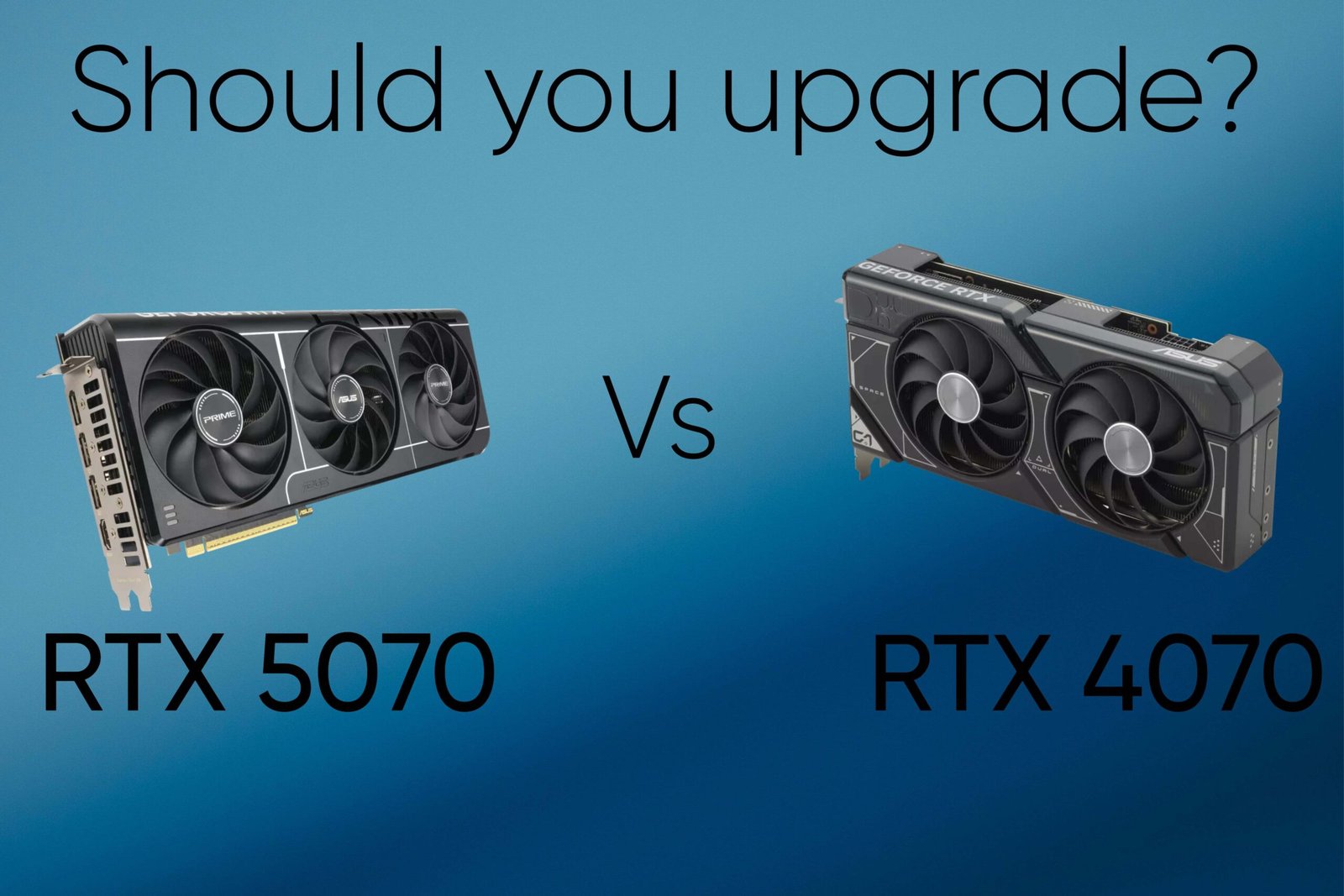
RTX 5070 vs RTX 4070: Should you upgrade?
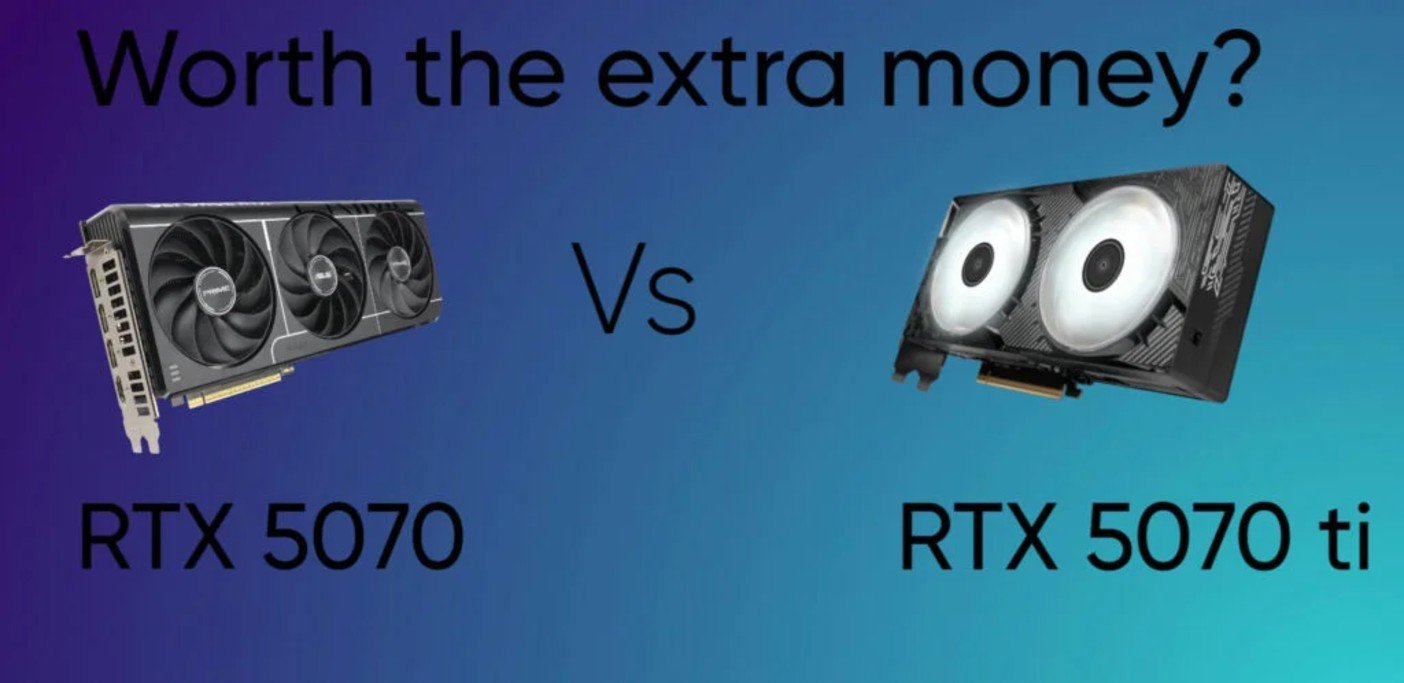
RTX 5070 ti vs RTX 5070: Worth the Extra Money?
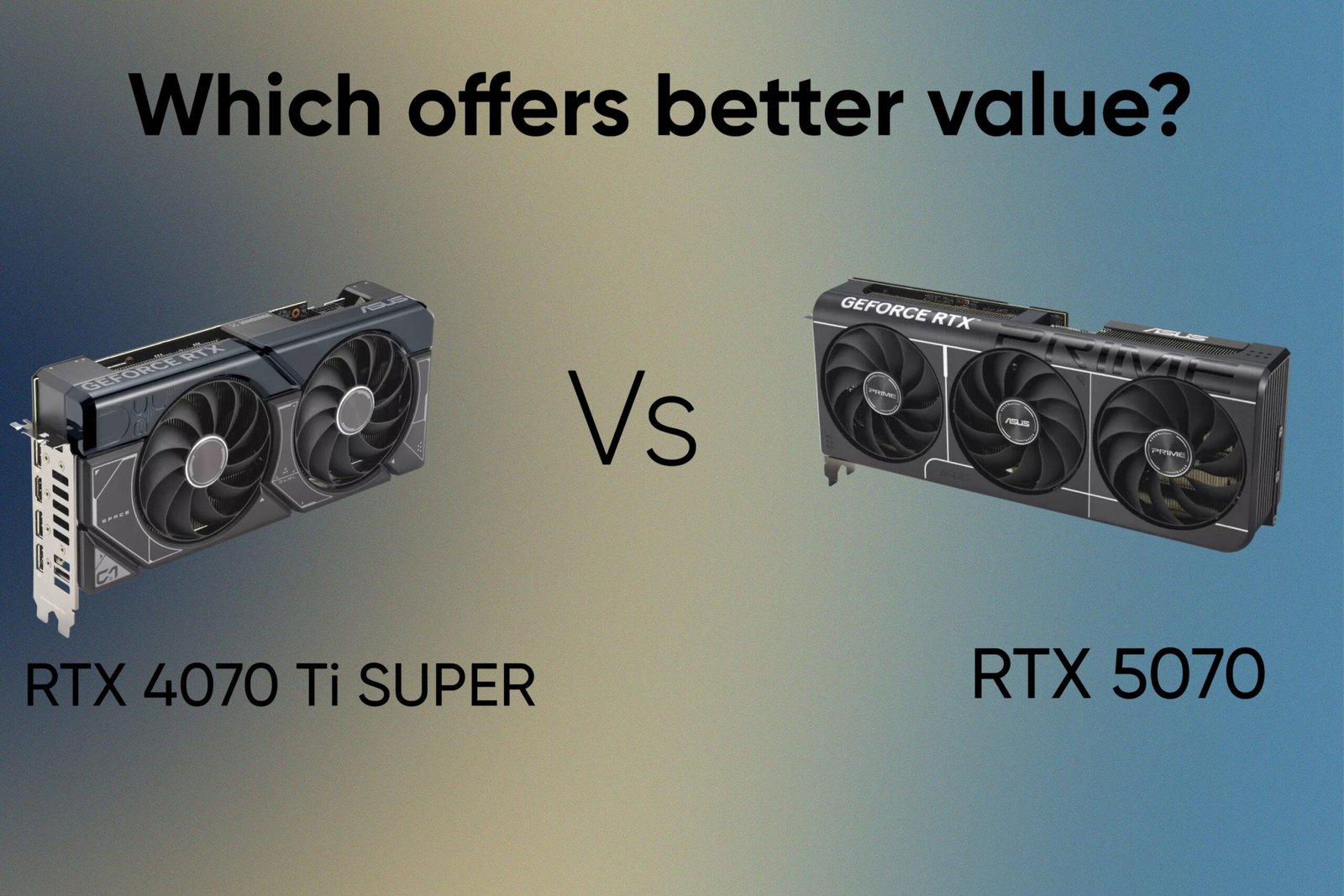
RTX 4070 Ti SUPER vs RTX 5070: Which offers better value?
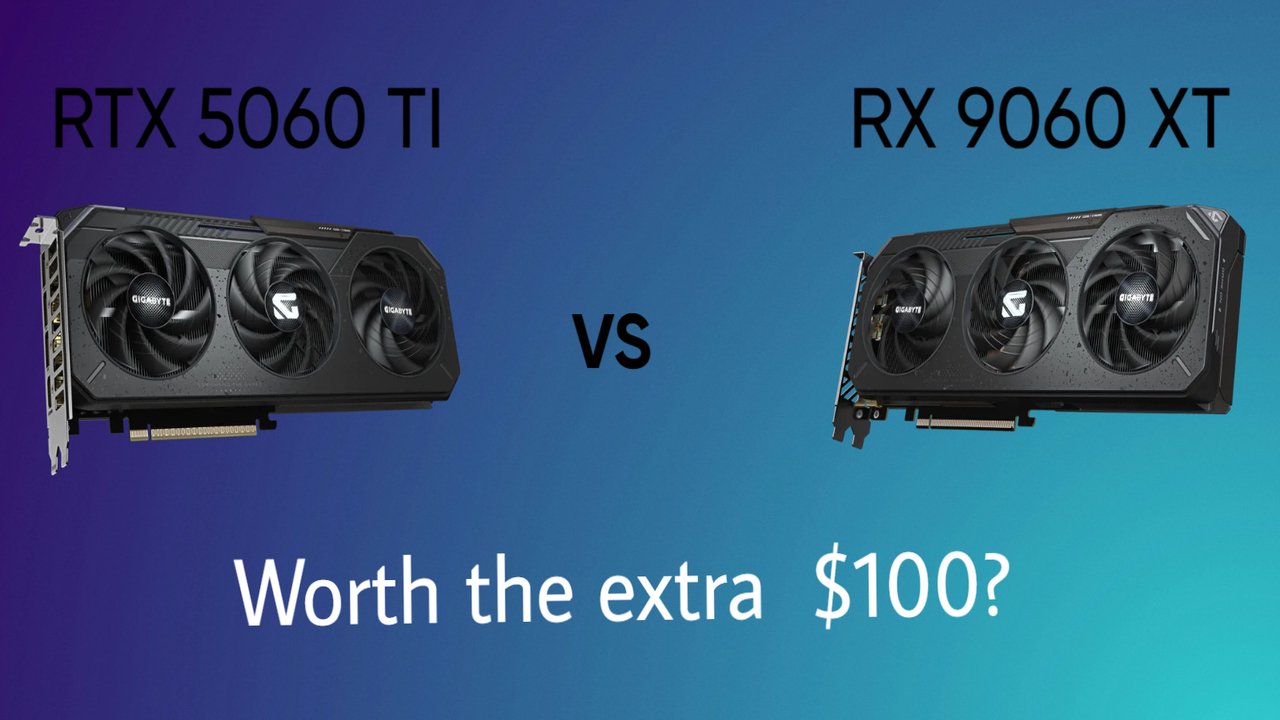
RTX 5060 ti vs RX 9060 XT: Is NVIDIA worth paying $100 more?
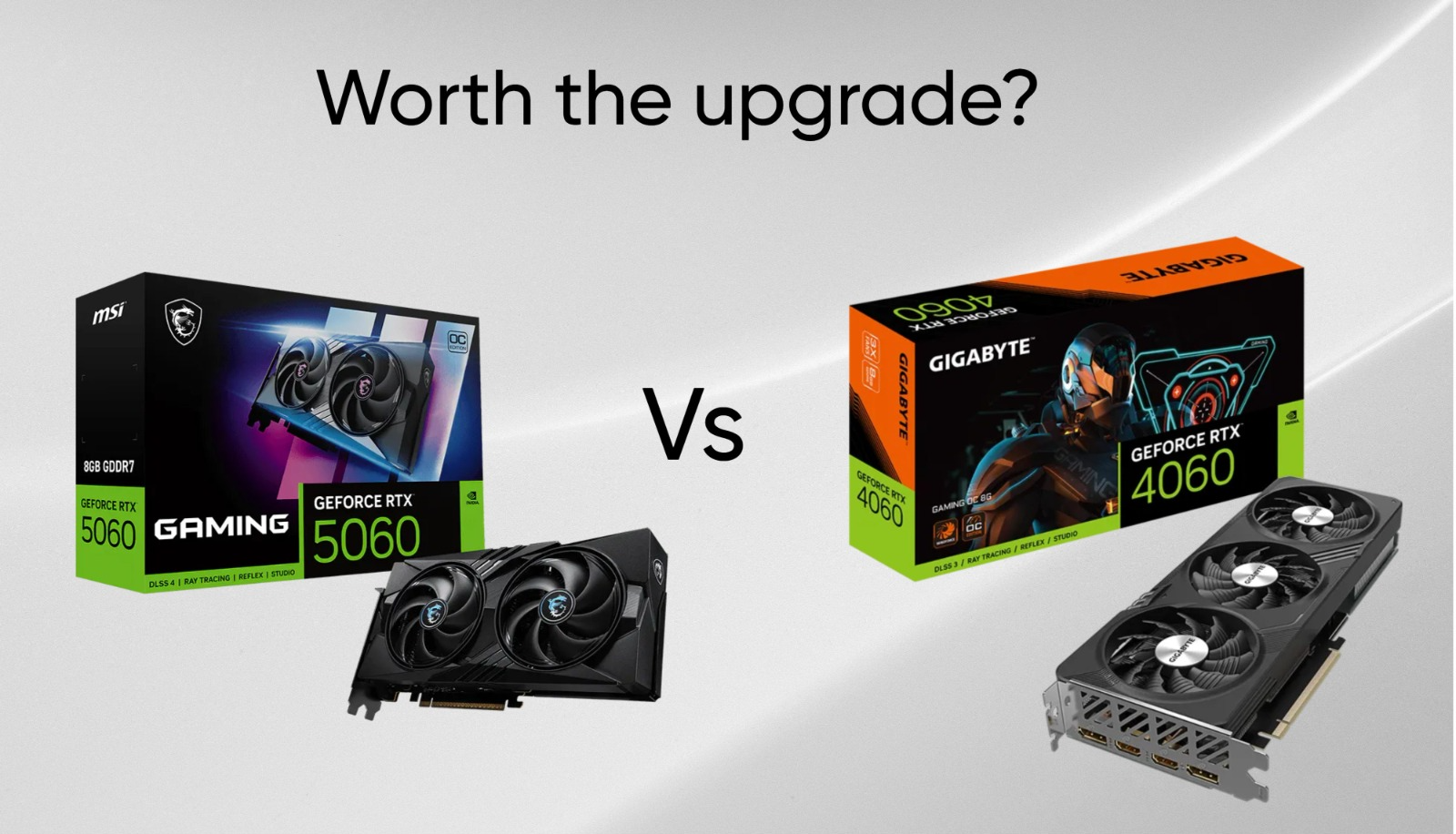
RTX 5060 vs RTX 4060: Is it worth the upgrade?
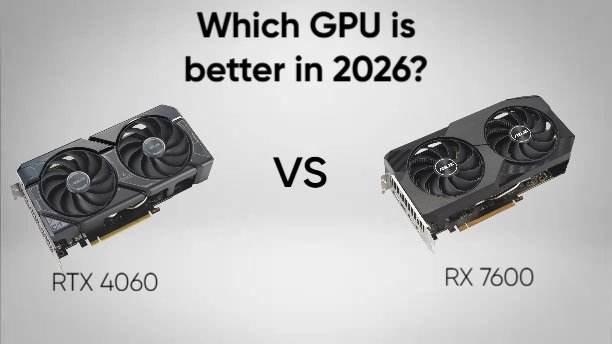
RTX 4060 vs RX 7600: Which is the better buy in 2026?
RX 9070 XT Review: Is it really future proof?
Best 1440p GPUs for Gaming in 2026
RTX 5060 Review: Is 8gb VRAM enough in 2026
Best GPUs for 1080p gaming in 2026
Is RTX 4060 it still worth buying in 2026?
RTX 5060 vs RX 9060 XT: Which is the best 1080p GPU
RTX 4070 review: Is it worth buying in 2026?
Samsung 990 Pro SSD review 2026
Logitech Superlight G Pro X Review
As an Amazon Associate I earn from qualifying purchases

Leave a Reply