
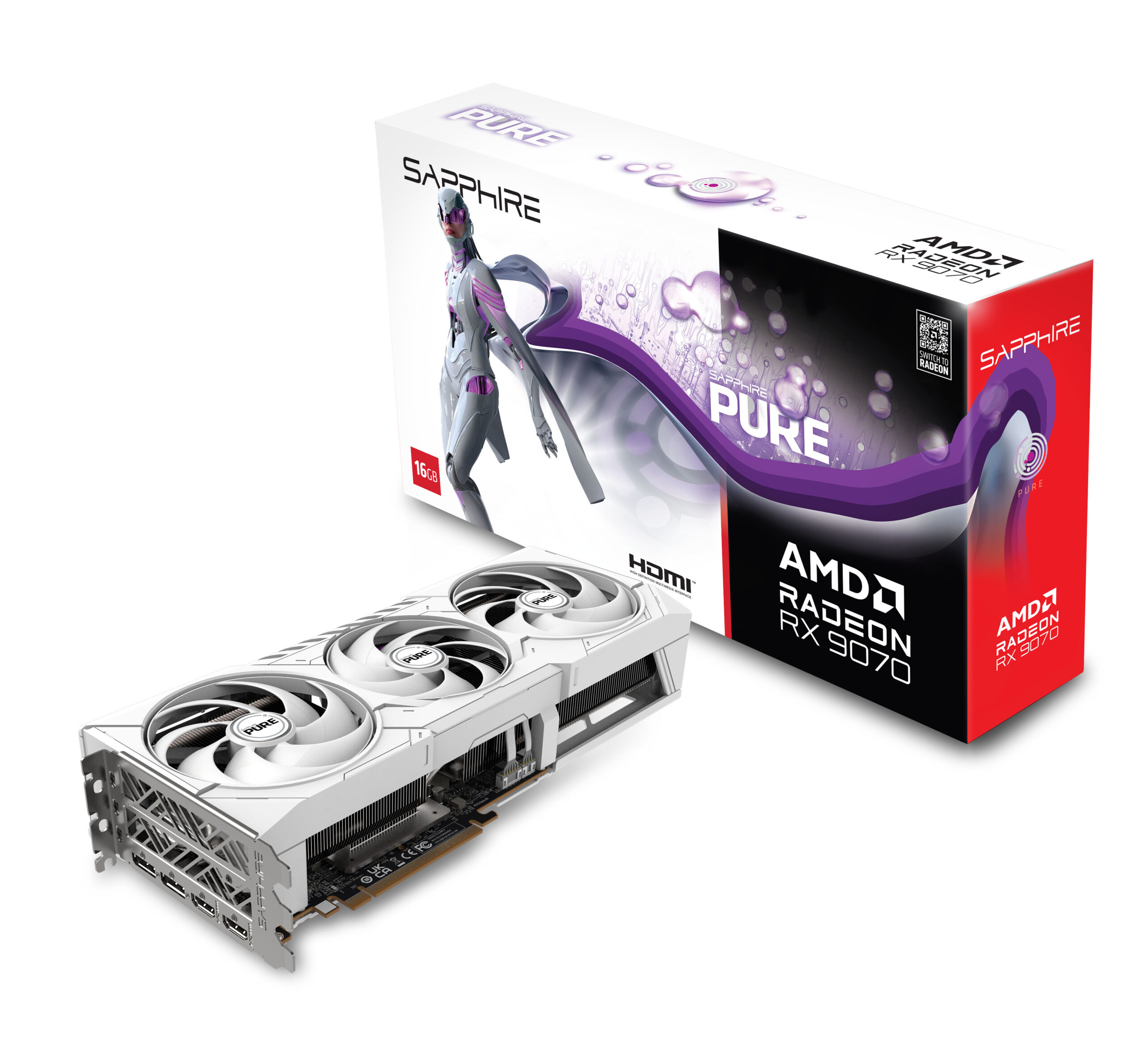
Before you buy the RX 9070, read this. We compare its gaming performance, VRAM, ray tracing, and value to see if it’s really worth the money in 2026.
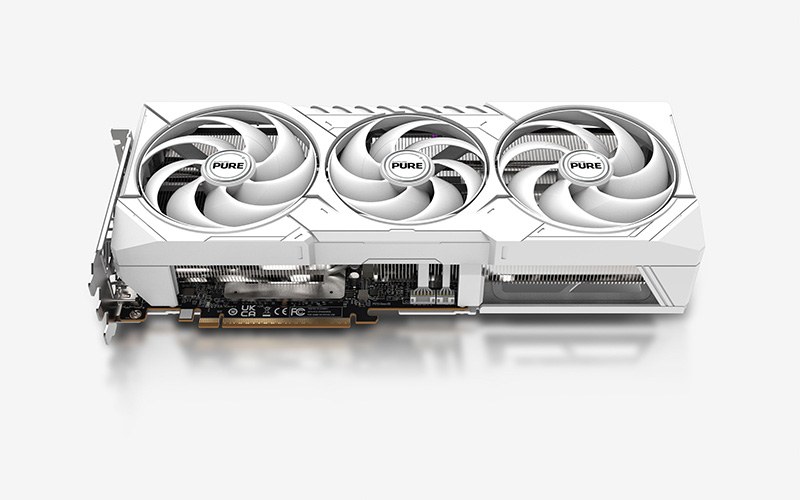
Quick answer: Yes, the RX 9070 is worth your money in 2026—especially if you’re looking for a powerful 1440p graphics card with 16GB of VRAM and strong long-term value. Check RX 9070 current prices continue reading our full review to see how it performs, how it compares to the RTX 5070, and whether it’s the right GPU for your next upgrade
The Radeon RX 9070 has a slightly awkward position in AMD’s lineup. On one side sits the RTX 5070, its primary rival from NVIDIA. On the other is the RX 9070 XT, a faster card that often isn’t dramatically more expensive.
That creates an obvious question: does the RX 9070 offer enough value to justify its place in the middle, or is it worth stretching your budget for the XT model instead?
Priced around $550-$600, the RX 9070 targets gamers looking for strong 1440p performance without moving into higher-end territory. It has 16GB of VRAM, improved ray tracing performance, and AMD’s latest RDNA 4 architecture, but specs alone don’t tell the whole story.
In this RX 9070 review, we’ll examine its gaming performance, features, pricing, and overall value to determine whether it’s actually worth your money in 2026.
Specs
| Architecture | RDNA 4 |
| VRAM | 16GB GDDR6 |
| Memory Bus | 256-bit |
| Memory Bandwidth | 640 GB/s |
| Boost Clock | Up to 2.52 GHz |
| TBP | 220W |
| Recommended PSU | 750W |
| Upscaling | FSR 4 |
| Frame Generation | AFMF 2 / FSR FG |
Looking at the specifications, it’s clear that AMD designed the RX 9070 around practicality rather than chasing headline numbers. The card combines a generous 16GB of VRAM with reasonable power requirements, giving it a specification sheet that feels aimed at long-term 1440p gaming rather than short-term benchmark wins.
16GB VRAM and 256-bit Memory Bus
The headline specification here is the 16GB VRAM buffer. At a time when several competing cards still ship with 12GB of memory, AMD has given the RX 9070 the same memory capacity as its more expensive XT sibling.
That’s important because VRAM problems rarely appear gradually. One day a game runs perfectly fine, and the next you’re dealing with texture pop-in, stuttering, or having to lower settings that a GPU of this caliber should realistically be able to handle.
Most people will focus on the 16GB figure, but AMD didn’t cut corners on the memory bus either. The RX 9070 uses a 256-bit bus paired with 640 GB/s of bandwidth, which helps feed that larger memory pool. It’s not the sort of specification that gets highlighted in marketing slides, but it matters.
Ray Tracing and Upscaling
Ray tracing used to be one of AMD’s biggest weaknesses. RDNA 4 doesn’t completely erase NVIDIA’s advantage, but it narrows the gap enough that the conversation feels very different than it did a few years ago.
Games like Cyberpunk 2077 and Alan Wake 2 can still be brutal with ray tracing enabled, yet the RX 9070 handles these workloads far better than previous Radeon cards. It’s one of the biggest generational improvements AMD has delivered with RDNA 4 .
FSR 4 is just as important. Earlier versions of FSR often struggled against DLSS when it came to image quality, especially at lower internal resolutions. This time around the results are much more convincing. In supported games, FSR 4 and frame generation can provide a sizeable performance boost without turning the image into a blurry mess.
Power Efficiency and PSU Requirements
The RX 9070 has a typical board power of around 220W, which feels pretty reasonable for the level of performance you’re getting. It isn’t the most efficient graphics card available, but it also avoids the power-hungry reputation that some high-end GPUs have earned over the past few years.
Power efficiency doesn’t usually grab headlines, but it affects more than people think. More power means more heat, larger coolers, and potentially higher electricity costs if you’re keeping the card for several years.
AMD recommends a 750W power supply for the RX 9070. For most systems, a good-quality 750W unit is more than enough and leaves some room for future upgrades as well.
Pricing
The RX 9070 typically sells for between $550 and $600, which feels like a fair price for what the card offers. You’re getting excellent 1440p gaming performance, 16GB of VRAM, improved ray tracing capabilities, and support for AMD’s latest features.
Check RX 9070 current prices on Amazon
Gaming Performance
The RX 9070 is one of those graphics cards that immediately makes sense once you start gaming at 1440p. On paper it sits in an awkward spot between the RTX 5070 and RX 9070 XT, but in actual gameplay the card feels far less complicated than its position in the market suggests.
1080p Gaming
At 1080p, the RX 9070 is frankly more GPU than most people need.
Modern games run effortlessly, often pushing well beyond 100 FPS at maximum settings. Pair the card with a fast esports title and a high-refresh-rate monitor and the frame rates get even more ridiculous.
The problem is value. Spending around $550-$600 on a graphics card for 1080p gaming feels difficult to justify when significantly cheaper options can already deliver an excellent experience. Unless you’re chasing extremely high frame rates or simply want a lot of performance overhead, the RX 9070’s strengths are better utilized elsewhere.
Read our: Best GPUs for 1080p gaming
1440p Gaming
This is where the card earns its keep.
The RX 9070 doesn’t just run 1440p well—it feels like that’s exactly what AMD built it for. Crank the settings to Ultra, load up a modern game, and the card rarely feels stressed. That’s becoming increasingly important as newer releases continue to demand more from both the GPU and its memory subsystem.
The 16GB VRAM helps alot here. A lot of graphics cards look great in benchmark charts right up until a game starts pushing memory usage harder than expected. Then texture quality gets reduced, frame times become inconsistent, or performance starts behaving in ways benchmark averages don’t always show. The RX 9070 has enough memory headroom that those concerns feel far less immediate.
There’s also a practical side to this. Most people spending this kind of money aren’t planning to replace their graphics card next year. They’re buying something they expect to keep for several years. That’s where the RX 9070 starts to make a lot of sense. The combination of strong rasterized performance and 16GB of VRAM gives it very few obvious weaknesses for long-term 1440p gaming.
1440p is the resolution where the RX 9070 looks most convincing compared to its direct competitors. At 1080p, you’re paying for performance you probably won’t use. At 4K, you’re occasionally relying on upscaling technologies to stay comfortable. At 1440p, everything feels right where it should be.
Below is a look at how the RX 9070 performs across a range of modern games at 1440p using the highest graphical settings.
| Game | Settings | Native FPS | FSR FPS |
|---|---|---|---|
| Alan Wake 2 | Highest | 62 | 106 |
| Indiana Jones and the Great Circle | Highest | 88 | 120 |
| Silent Hill 2 | Highest | 80 | 108 |
| Marvel’s Spider-Man 2 | Highest | 123 | 165 |
| Kingdom Come: Deliverance II | Highest | 80 | 108 |
| Counter-Strike 2 | Highest | 560 | 650 |
| Senua’s Saga: Hellblade II | Highest | 67 | 106 |
| God of War Ragnarök | Highest | 140 | 188 |
| Ghost of Tsushima | Highest | 115 | 155 |
| Red Dead Redemption 2 | Highest | 123 | 165 |
| Forza Horizon 5 | Highest | 270 | 320 |
| Battlefield 6 | Highest | 199 | 210 |
| Call of Duty: MWIII | Highest | 203 | 245 |
| Echoes of the End | Highest | 50 | 88 |
| Mafia: The Old Country | Highest | 58 | 100 |
| Wuchang: Fallen Feathers | Highest | 53 | 77 |
| The Last of Us Part II | Highest | 122 | 165 |
| Assassin’s Creed Shadows | Highest | 80 | 108 |
| Black Myth: Wukong | Highest | 81 | 110 |
| Cyberpunk 2077 | Highest | 99 | 135 |
All benchmarks were performed at 1440p using the highest available graphics preset on a test system powered by an AMD Ryzen 7 7800X3D. FSR results use Quality or Balanced mode depending on game support.
Also read: Best GPUs for 1440p gaming
4K Gaming
The RX 9070 is certainly capable of 4K gaming, but expectations should remain realistic.
That’s not because the card lacks performance. It’s because results vary wildly depending on the game. Some titles run surprisingly well at native 4K, while others can bring much faster graphics cards to their knees.
FSR 4 becomes far more important at this resolution. In many modern games, enabling upscaling and frame generation can make the difference between a smooth experience and one that feels uncomfortably close to slideshow territory. The good news is that AMD’s upscaling technology has improved enough that using it no longer feels like a major compromise.
The RX 9070 is capable of 4K gaming. Just don’t mistake it for a dedicated 4K flagship. Its real strength remains 1440p, and that’s where most buyers will get the best experience.
RX 9070 vs RTX 5070
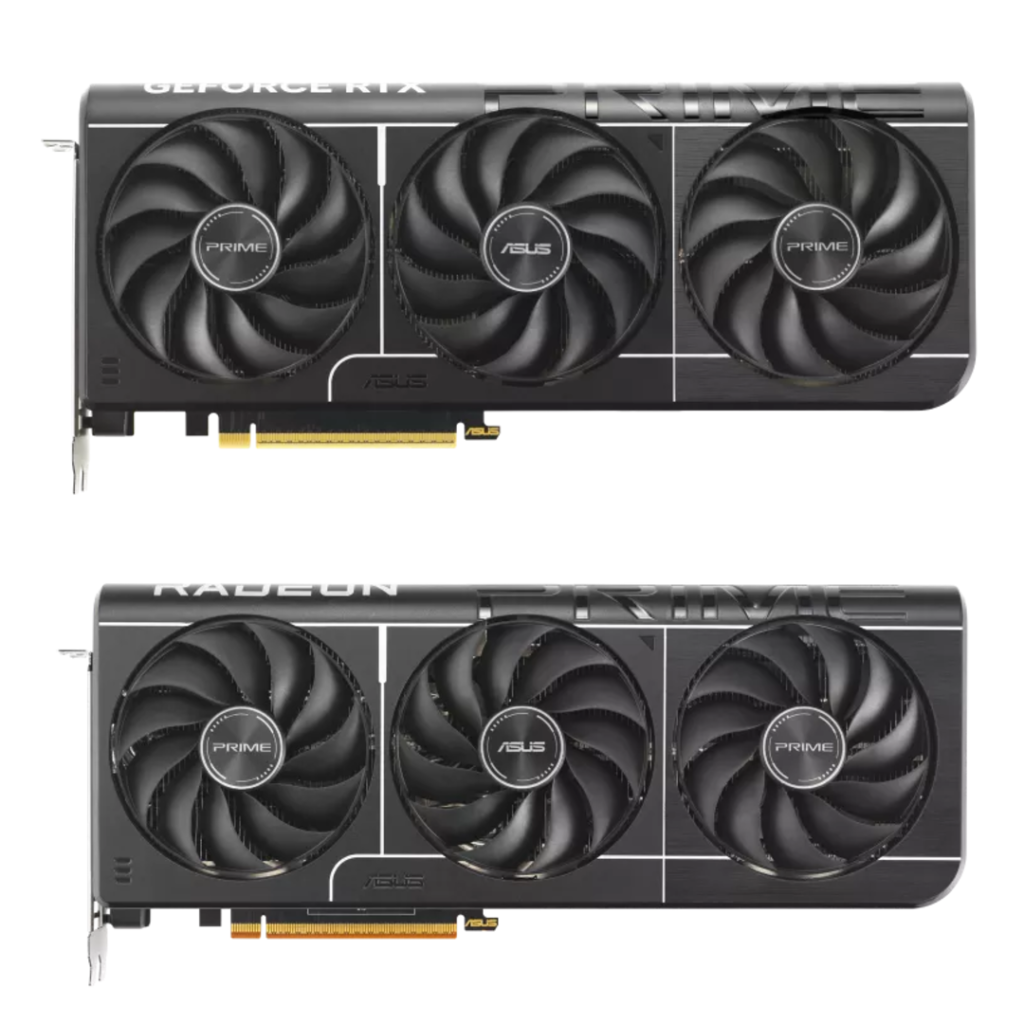
The RX 9070’s closest competitor is NVIDIA’s RTX 5070, and the reality is that these two cards are far closer than many buyers might expect.
In traditional rasterized gaming, the RX 9070 usually comes out slightly ahead. The lead isn’t massive, but it does exist. At the same time, it’s rarely large enough to dramatically change the gaming experience. In most titles, both cards deliver excellent 1440p performance and remain separated by only a handful of frames.
The conversation starts to shift once ray tracing enters the picture. NVIDIA still holds an advantage here, and that advantage becomes more noticeable in newer games that make heavier use of ray-traced effects. DLSS 4 and Multi Frame Generation further strengthen NVIDIA’s position, often allowing the RTX 5070 to produce higher frame rates when those technologies are available and supported.
What’s interesting is that the RTX 5070 doesn’t just compete with the RX 9070. In many discussions, it’s also compared directly against the RX 9070 XT. That’s a testament to how competitive NVIDIA’s card is, particularly when ray tracing and upscaling technologies become part of the equation.
Of course, AMD isn’t without its own advantages. The RX 9070 ships with 16GB of VRAM compared to the RTX 5070’s 12GB, giving it a clear edge in memory capacity. Buyers who plan to keep their graphics card for several years may find that extra headroom appealing, especially as game requirements continue to increase.
Ultimately, the choice comes down to what you value most. If your priority is traditional rasterized gaming and long-term VRAM capacity, the RX 9070 makes a strong case for itself. If you place a higher value on ray tracing, DLSS 4, and NVIDIA’s broader feature ecosystem, the RTX 5070 might suit you more
Also read our standalone RTX 5070 review
Who Should Buy the RX 9070?
The RX 9070 makes the most sense for gamers who want a strong 1440p graphics card without spending RX 9070 XT money. Its biggest advantage is the 16GB VRAM buffer, which gives it more memory headroom than the RTX 5070 and should help it age gracefully over the next several years.
It’s also a good fit for buyers who care more about traditional gaming performance than features. The RX 9070 is consistently fast, handles modern games without issue, and doesn’t really have any major weaknesses outside of NVIDIA’s software advantage.
Who Should Skip the RX 9070?
The RX 9070 becomes harder to recommend when it’s sitting next to an RTX 5070 at roughly the same price. The performance difference between the two cards is small enough that DLSS 4, Multi Frame Generation, and stronger ray tracing performance start to matter more.
There’s also the RX 9070 XT to think about. Depending on local pricing, spending a little more for the faster XT model can sometimes make more sense than settling for the standard RX 9070.
And if you’re still gaming at 1080p, this card is probably more GPU than you actually need.
Verdict
The RX 9070 is a very easy graphics card to like. It delivers excellent 1440p gaming performance, comes with 16GB of VRAM, and avoids many of the compromises that often appear in this price range.
The biggest challenge isn’t the card itself—it’s the competition. The RTX 5070 offers a stronger feature set, while the RX 9070 XT is often close enough in price to make buyers think twice. Even so, the RX 9070 remains a well-balanced GPU that makes a strong case for itself, particularly when priced below both alternatives.
For gamers focused on 1440p gaming and long-term value, the RX 9070 is one of AMD’s most compelling graphics cards.
Check RX 9070 current prices on Amazon
Frequently Asked Questions
Is the RX 9070 worth buying in 2026?
Yes, the RX 9070 remains a strong purchase in 2026, particularly for 1440p gaming. It delivers excellent rasterized performance, comes with 16GB of VRAM, and avoids many of the limitations that can affect lower-memory graphics cards over time.
Is the RX 9070 better than the RTX 5070?
Neither card completely dominates the other. The RX 9070 is usually a little faster in traditional rasterized gaming and offers more VRAM, while the RTX 5070 benefits from stronger ray tracing performance, DLSS 4, and NVIDIA’s broader feature ecosystem.
Is the RX 9070 future-proof?
No graphics card is truly future-proof, but the RX 9070 is in a strong position for long-term ownership. Its 16GB VRAM buffer and competitive performance should allow it to remain relevant for years, especially for 1440p gaming.
Is 16GB VRAM enough for modern games?
Yes. In fact, 16GB is more than enough for the vast majority of modern games today and provides additional headroom for future releases. It’s one of the RX 9070’s biggest advantages over competing cards with 12GB of memory.
Can the RX 9070 handle 4K gaming?
Yes, although results depend heavily on the game and settings being used. Less demanding titles can run well at native 4K, while newer AAA games may require FSR 4, frame generation, or reduced settings to maintain smooth performance.
What power supply do I need for the RX 9070?
AMD recommends a 750W power supply for the RX 9070. A quality 750W unit is sufficient for most gaming systems and provides some room for future upgrades.
Is the RX 9070 good for 1440p gaming?
Absolutely. In many ways, 1440p is where the RX 9070 makes the most sense. It offers enough performance to comfortably handle modern games at high or ultra settings while taking full advantage of its 16GB VRAM buffer.
Also read
Is the RTX 5060 Ti good for 1440p gaming
RTX 5070 vs RTX 4070: Should you upgrade?
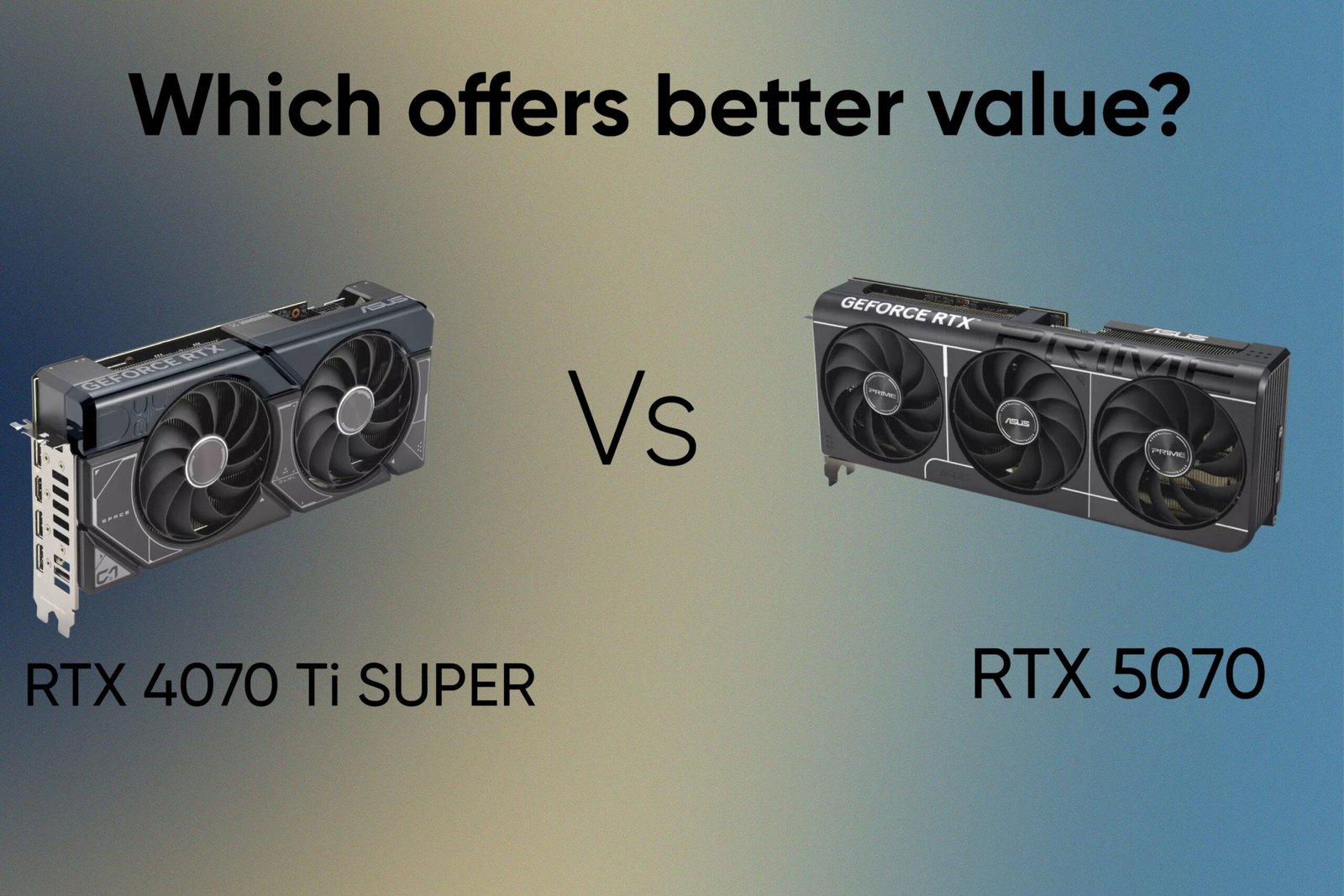
RTX 4070 Ti SUPER vs RTX 5070: Which offers better value?
RTX 5070 ti vs RTX 5070: Worth the Extra Money?
RTX 5060 ti vs RX 9060 XT: Is NVIDIA worth paying $100 more?
RTX 5060 vs RTX 4060: Is it worth the upgrade?
RTX 4060 vs RX 7600: Which is the better buy in 2026?
RX 7600 Review: Is it still worth buying in 2026
RX 9070 XT Review: Is it really future proof?
Best 1440p GPUs for Gaming in 2026
RTX 5060 Review: Is 8gb VRAM enough in 2026
Intel Arc B580 vs RTX 5060: Don’t buy until you read this
Best GPUs for 1080p gaming in 2026
Is RTX 4060 it still worth buying in 2026?
RTX 5060 vs RX 9060 XT: Which is the best 1080p GPU
RTX 4070 review: Is it worth buying in 2026?

Leave a Reply