
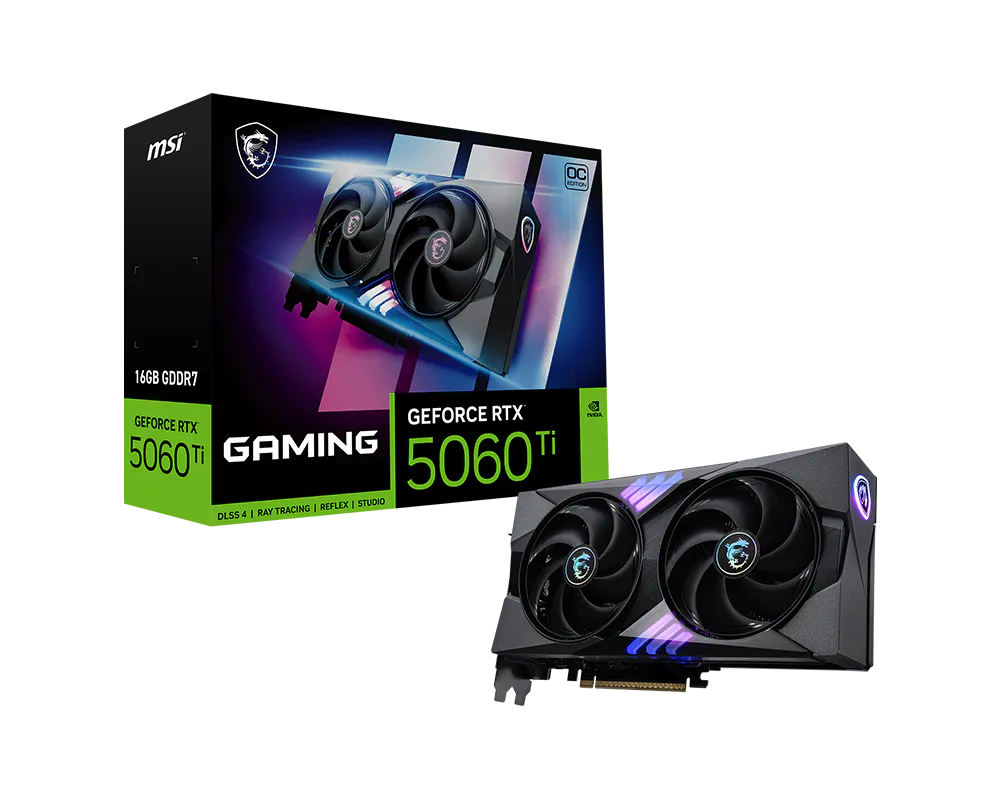
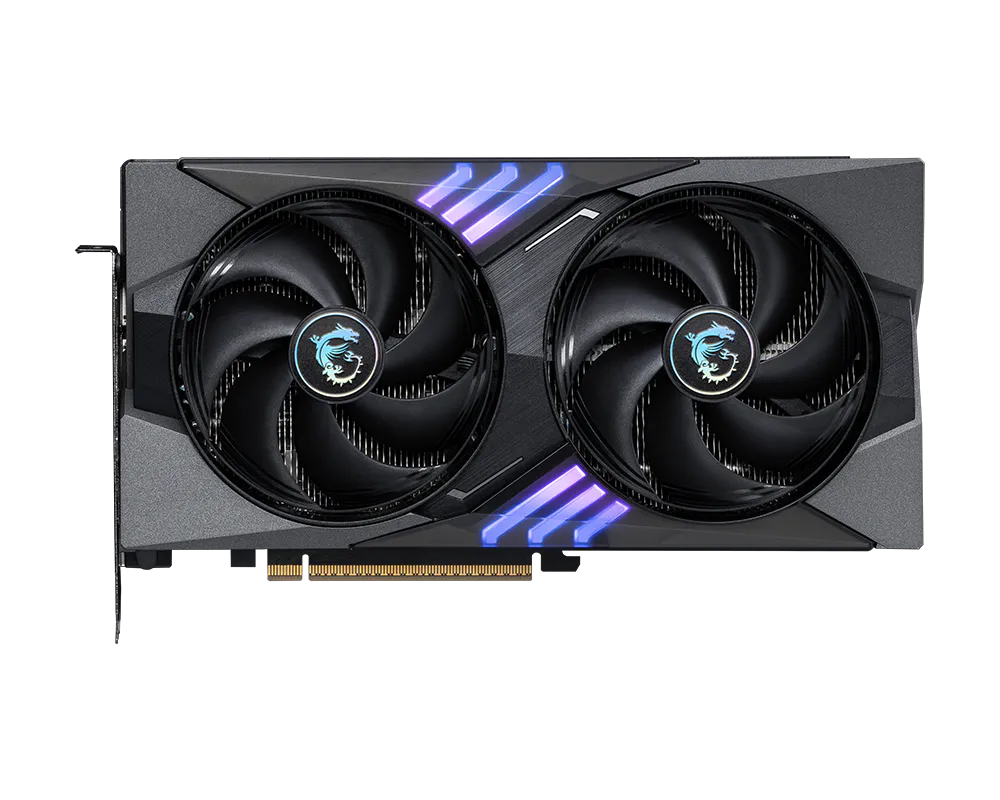
Yes, the RTX 5060 Ti is a good graphics card for 1440p gaming. Most modern games run comfortably at this resolution, and DLSS can help boost performance even further when needed. Check current prices on Amazon
Continue reading for benchmarks, ray tracing performance, and whether the RTX 5060 Ti is still a smart purchase in 2026.
Specifications
| Architecture | NVIDIA Blackwell |
| CUDA Cores | 4,608 |
| VRAM | 8GB / 16GB GDDR7 |
| Memory Bus | 128-bit |
| Memory Bandwidth | 448 GB/s |
| Base Clock | 2.41 GHz |
| Boost Clock | 2.57 GHz |
| Ray Tracing Cores | 4th Generation |
| Tensor Cores | 5th Generation |
| DLSS Support | DLSS 4 |
| TBP (Total Board Power) | 180W |
| Recommended PSU | 550W |
| PCIe Interface | PCIe 5.0 x8 |
| Launch MSRP | $379 (8GB) / $429 (16GB) |
Looking purely at the specifications, the RTX 5060 Ti appears well-suited for 1440p gaming. It is available in both 8GB and 16GB configurations, though the 16GB model is the one I’d pay more attention to for 1440p gaming. While 8GB is still enough for many games today, newer triple A titles are becoming increasingly demanding, especially at higher texture settings. If you’re planning to keep the card for several years, the extra VRAM provides some welcome breathing room.
Ray tracing is another area where the RTX 5060 Ti does very well. It won’t match higher-end GPUs, but thanks to NVIDIA’s latest RT cores and DLSS 4 support, ray tracing is actually usable in many modern games without destroying performance. The card is also impressively power efficient, drawing just 180W under load. That means lower temperatures, lower electricity usage, and no need for an expensive power supply, with NVIDIA recommending only a 650W PSU.
Is the RTX 5060 Ti Good for 1440p Gaming?
Yes, the RTX 5060 Ti is a good 1440p gaming graphics card, and for many gamers, this is the resolution where it makes the most sense.
Most modern games run comfortably at 1440p using high or even maximum settings, while esports titles can easily push well above 100 FPS. The card also benefits from DLSS 4, which can provide a significant performance boost in more demanding games without a major hit to image quality.
Here’s a look at how the card performs in a selection of modern games at 1440p using the highest preset.
| Game | Graphics Preset | 1440p Native FPS | 1440p DLSS FPS |
|---|---|---|---|
| Cyberpunk 2077 | Ultra | 57 FPS | 88 FPS |
| Black Myth: Wukong | Cinematic | 45 FPS | 74 FPS |
| Hogwarts Legacy | Ultra | 60 FPS | 92 FPS |
| Alan Wake 2 | Ultra | 40 FPS | 72 FPS |
| Resident Evil 4 Remake | Max | 85 FPS | 118 FPS |
| Starfield | Ultra | 62 FPS | 88 FPS |
| Silent Hill 2 | Epic | 38 FPS | 68 FPS |
| Red Dead Redemption 2 | Ultra | 82 FPS | 108 FPS |
| Marvel Rivals | Ultra | 60 FPS | 95 FPS |
| Counter-Strike 2 | Very High | 147 FPS | 185 FPS |
Benchmark results are estimates based on an RTX 5060 Ti paired with a 13th Gen Intel Core i5 processor. DLSS results use DLSS Quality or Balanced mode depending on the game. Actual performance will vary based on game updates, driver versions, system configuration, and in-game settings.
That said, it’s important to keep expectations realistic. The RTX 5060 Ti is a strong 1440p graphics card, but it’s not the kind of GPU that brute-forces every new triple A release at native resolution with every setting maxed out. In the most demanding games, you’ll often get a better experience by combining high settings with DLSS rather than insisting on native rendering.
That’s ultimately where the RTX 5060 Ti makes the most sense. It delivers the performance most gamers want at 1440p today, while DLSS 4 provides additional headroom for the increasingly demanding games that will arrive over the next few years.
One advantage the RTX 5060 Ti has over the standard RTX 5060 is the availability of a 16GB model. While the RTX 5060’s 8GB VRAM was one of its biggest weaknesses, especially in newer heavier games, the 16GB RTX 5060 Ti doesn’t have that same concern. It gives the card more breathing room at 1440p and makes it a much more comfortable option for gamers planning to keep their GPU for several years.
Also read: Best GPUs for 1440p gaming
Pricing
The RTX 5060 Ti comes in two very different versions
The 8GB model usually costs around $350-$400, which is reasonable for a mid-range graphics card. The issue is that 8GB VRAM is already becoming a limitation in some newer games, making it a tougher sell for long-term 1440p gaming.
The 16GB model is the one I’d actually recommend, but it typically costs $550-$600. At that price, you’re no longer looking at a budget-friendly upgrade, and there are several competing GPUs worth considering.
Check current prices on Amazon
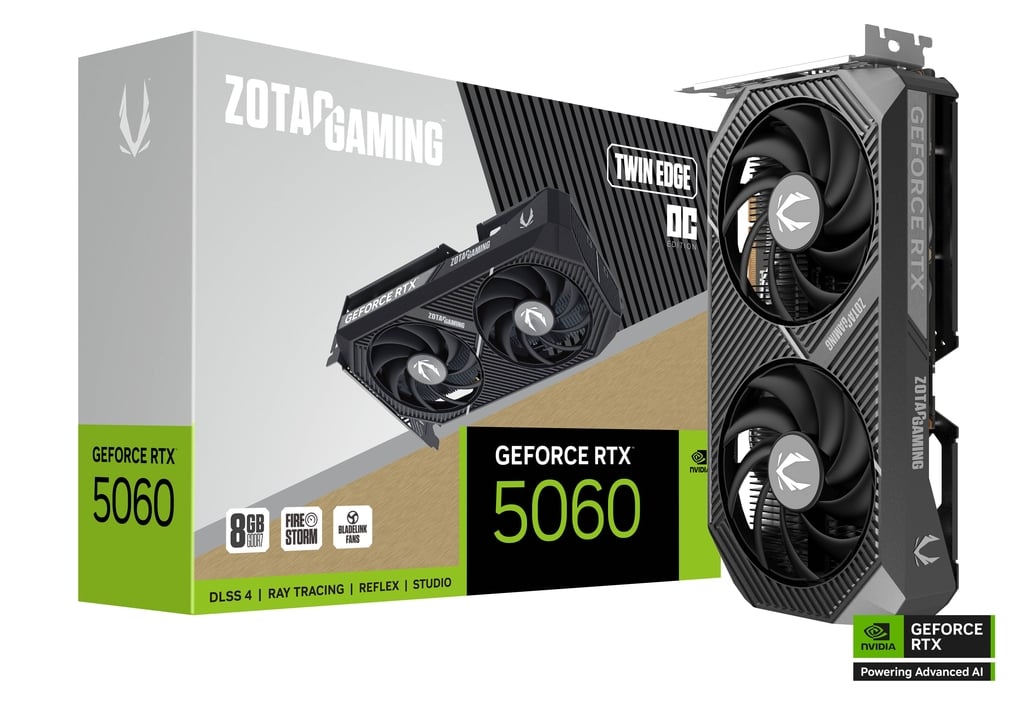
RTX 5060 Ti vs RTX 5060
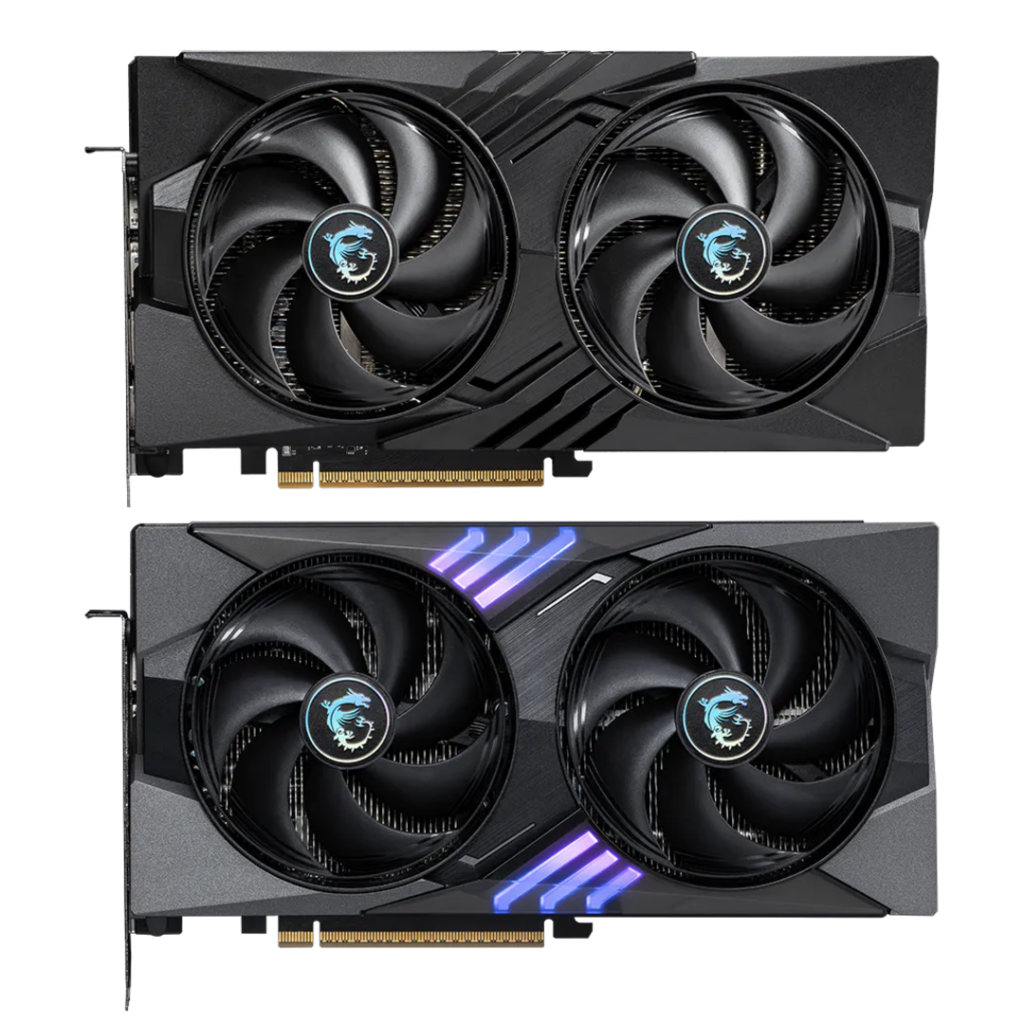
The RTX 5060 and RTX 5060 Ti are both excellent 1080p gaming graphics cards, but the difference between them becomes much more noticeable at 1440p.
Depending on the game, the RTX 5060 Ti is roughly 25-30% faster than the standard RTX 5060. That extra performance gives it more room to handle more demanding games, higher settings, and ray tracing without dropping below smooth frame rates as often.
Of course, that performance comes at a cost. The RTX 5060 typically draws around 145W, while the RTX 5060 Ti increases that to 180W. Power efficiency is still excellent on both cards, but the RTX 5060 remains the more efficient and affordable option.
VRAM is another important difference. The RTX 5060 only comes with 8GB of memory, while the RTX 5060 Ti is available in both 8GB and 16GB variants. If you’re comparing the two 8GB models, they share the same memory limitation. The Ti is undoubtedly faster, but both cards can eventually run into VRAM-related issues in demanding games.
That’s why the 16GB RTX 5060 Ti is the most interesting version. Not only is it significantly faster than the RTX 5060, but it also avoids one of the biggest criticisms of NVIDIA’s lower-end cards: the 8GB VRAM limit.
For 1080p gaming, I’d happily recommend either card depending on your budget. For 1440p gaming, however, the RTX 5060 Ti is the clear winner, and if the price difference isn’t too large, the 16GB model is easily the version I’d choose.
Also read our standalone RTX 5060 review
RTX 5060 Ti vs RX 9060 XT
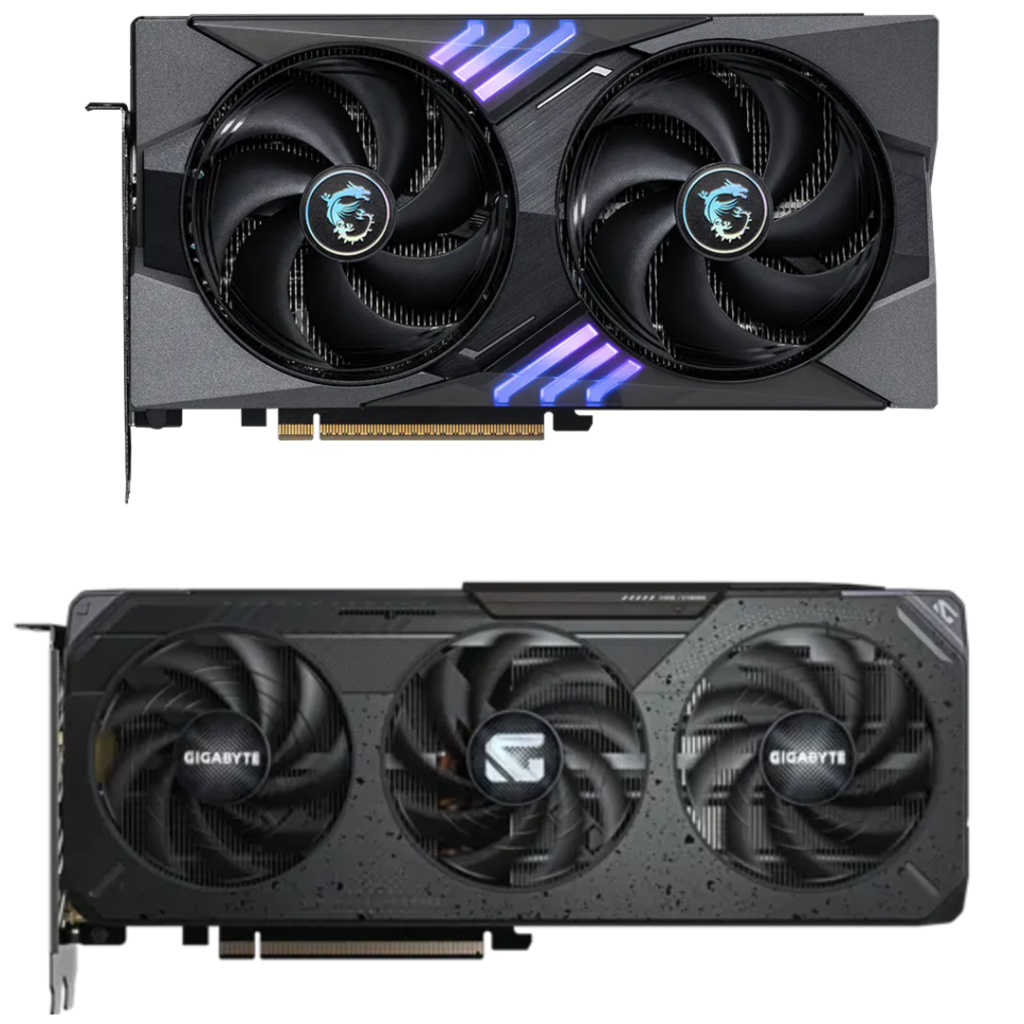
The RTX 5060 Ti and RX 9060 XT are two of the most compelling graphics cards for 1440p gaming right now, and the choice between them isn’t as straightforward as many people think.
In traditional rasterized games, the RX 9060 XT is often able to match or slightly outperform the RTX 5060 Ti while remaining competitively priced. For gamers focused primarily on FPS per dollar, AMD’s card makes a very strong case for itself.
The RTX 5060 Ti takes a different approach. While rasterization performance is extremely competitive, NVIDIA’s biggest advantages come from its feature set. DLSS 4 remains one of the best upscaling technologies available, ray tracing performance is generally stronger, and features like Multi Frame Generation can deliver substantial performance boosts in supported games.
Ray tracing is where the gap becomes most noticeable. While the RX 9060 XT handles traditional gaming extremely well, the RTX 5060 Ti can pull significantly ahead once heavier ray tracing effects are enabled. If you enjoy playing visually demanding games with ray tracing enabled, NVIDIA’s advantage becomes much easier to appreciate.
Both cards are also available with 16GB of VRAM, which is good news for 1440p gamers. Modern AAA games continue pushing memory requirements higher, and neither card suffers from the 8GB limitations that have become a concern on some lower-end GPUs.
For pure value, the RX 9060 XT is extremely difficult to ignore. For a more complete package that includes stronger ray tracing, DLSS 4, and Multi Frame Generation, I’d lean toward the RTX 5060 Ti. Neither choice is wrong, and which card is better ultimately depends on the types of games you play and the features you care about most.
Also read our standalone RX 9060 XT review
Who Should Buy the RTX 5060 Ti?
The RTX 5060 Ti makes the most sense for gamers who want a capable 1440p graphics card without stepping into higher price brackets. It offers enough performance for modern AAA games, while features like DLSS 4, Frame Generation, and strong ray tracing support help it stay competitive in demanding titles.
The 16GB model is particularly attractive for buyers planning to keep their graphics card for several years. The additional VRAM provides more breathing room for future games and makes the card a much more comfortable long-term choice than many 8GB alternatives.
Who Shouldn’t Buy the RTX 5060 Ti?
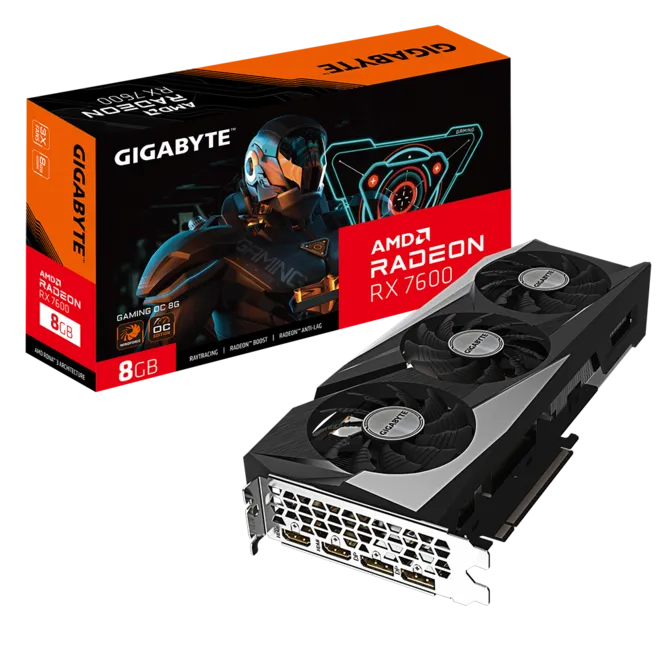
If you’re only gaming at 1080p, the RTX 5060 Ti can be difficult to justify. Cheaper cards like the RTX 5060 or RX 7600 already deliver excellent performance at that resolution.
I also wouldn’t buy the RTX 5060 Ti if your only goal is maximizing FPS per dollar. Depending on local pricing, cards like the RX 9060 XT can offer similar or better rasterized gaming performance for the money.
Finally, if you’re considering the 8GB RTX 5060 Ti and the 16GB model isn’t much more expensive, I’d strongly consider spending the extra money. The 16GB version is simply a better fit for 1440p gaming and avoids one of the biggest concerns surrounding modern mid-range GPUs.
Verdict
So, is the RTX 5060 Ti good for 1440p gaming?
Yes.
It delivers the level of performance most gamers are looking for at 1440p, handles modern AAA games well, and comes with access to NVIDIA features like DLSS 4, Frame Generation, and strong ray tracing support.
That doesn’t automatically make it the best value graphics card on the market. Cards like the RX 9060 XT can be very competitive depending on pricing, especially if your main concern is raw gaming performance.
Still, the RTX 5060 Ti gets more right than wrong. The 8GB model is harder to recommend, but the 16GB version feels much more complete and avoids one of the biggest weaknesses affecting many mid-range GPUs today.
If you’re building a 1440p gaming PC in 2026 and can find the 16GB model at a reasonable price, the RTX 5060 Ti is an easy card to recommend.
Check current prices on Amazon
Frequently Asked Questions
Is the RTX 5060 Ti good for 1440p gaming?
Yes. The RTX 5060 Ti is a strong 1440p graphics card capable of handling most modern games at high or ultra settings while maintaining smooth frame rates.
Is the RTX 5060 Ti better than the RTX 5060?
Yes. The RTX 5060 Ti is roughly 25-30% faster than the RTX 5060 in many games and is generally the better choice for 1440p gaming.
Is 8GB VRAM enough for the RTX 5060 Ti?
For many games today, yes. However, some newer AAA titles are already pushing beyond 8GB at higher settings. If your budget allows, the 16GB model is the safer choice.
Should I buy the 8GB or 16GB RTX 5060 Ti?
The 16GB model is the version I’d recommend. The extra VRAM provides more breathing room in modern games and makes the card a better long-term investment for 1440p gaming.
RTX 5060 Ti vs RX 9060 XT: Which is better?
It depends on what you value most. The RX 9060 XT is often very competitive in traditional gaming performance, while the RTX 5060 Ti offers stronger ray tracing, DLSS 4, and Frame Generation support.
Can the RTX 5060 Ti run ray tracing at 1440p?
Yes. The RTX 5060 Ti handles ray tracing well for a mid-range graphics card, especially when paired with DLSS 4 and Frame Generation in supported games.
Is the RTX 5060 Ti future-proof for 1440p gaming?
Nothing in PC hardware stays future-proof forever, but the 16GB RTX 5060 Ti is well-positioned for long-term 1440p gaming thanks to its combination of performance and memory capacity.
What power supply do I need for the RTX 5060 Ti?
NVIDIA recommends a 550W power supply, although a quality 650W unit is a good choice if you’re building a new gaming PC.
Also read
RX 7600 Review: Is it still worth buying in 2026
RTX 5070 vs RTX 4070: Should you upgrade?
RTX 4070 Ti SUPER vs RTX 5070: Which offers better value?
RTX 5070 ti vs RTX 5070: Worth the Extra Money?
RTX 5060 ti vs RX 9060 XT: Is NVIDIA worth paying $100 more?
Intel Arc B580 vs RTX 5060: Don’t buy until you read this
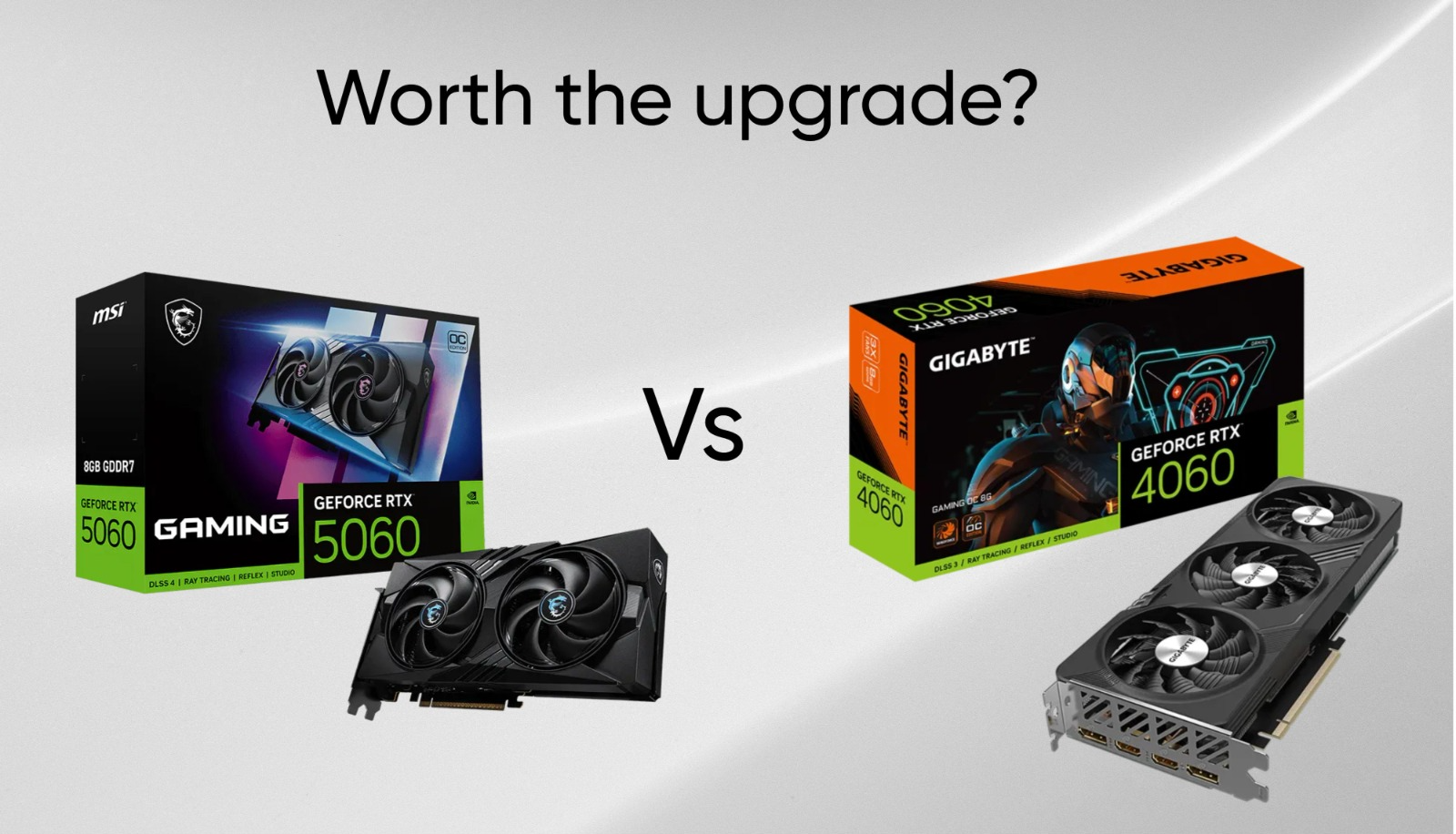
RTX 5060 vs RTX 4060: Is it worth the upgrade?
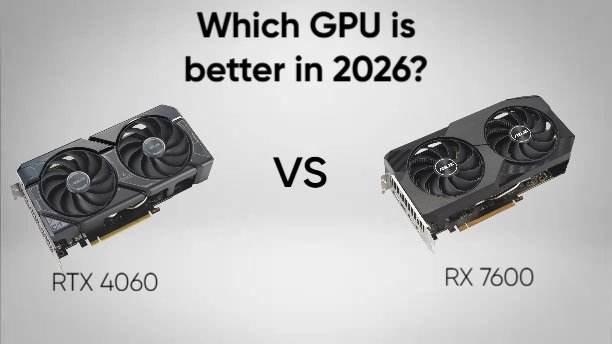
RTX 4060 vs RX 7600: Which is the better buy in 2026?
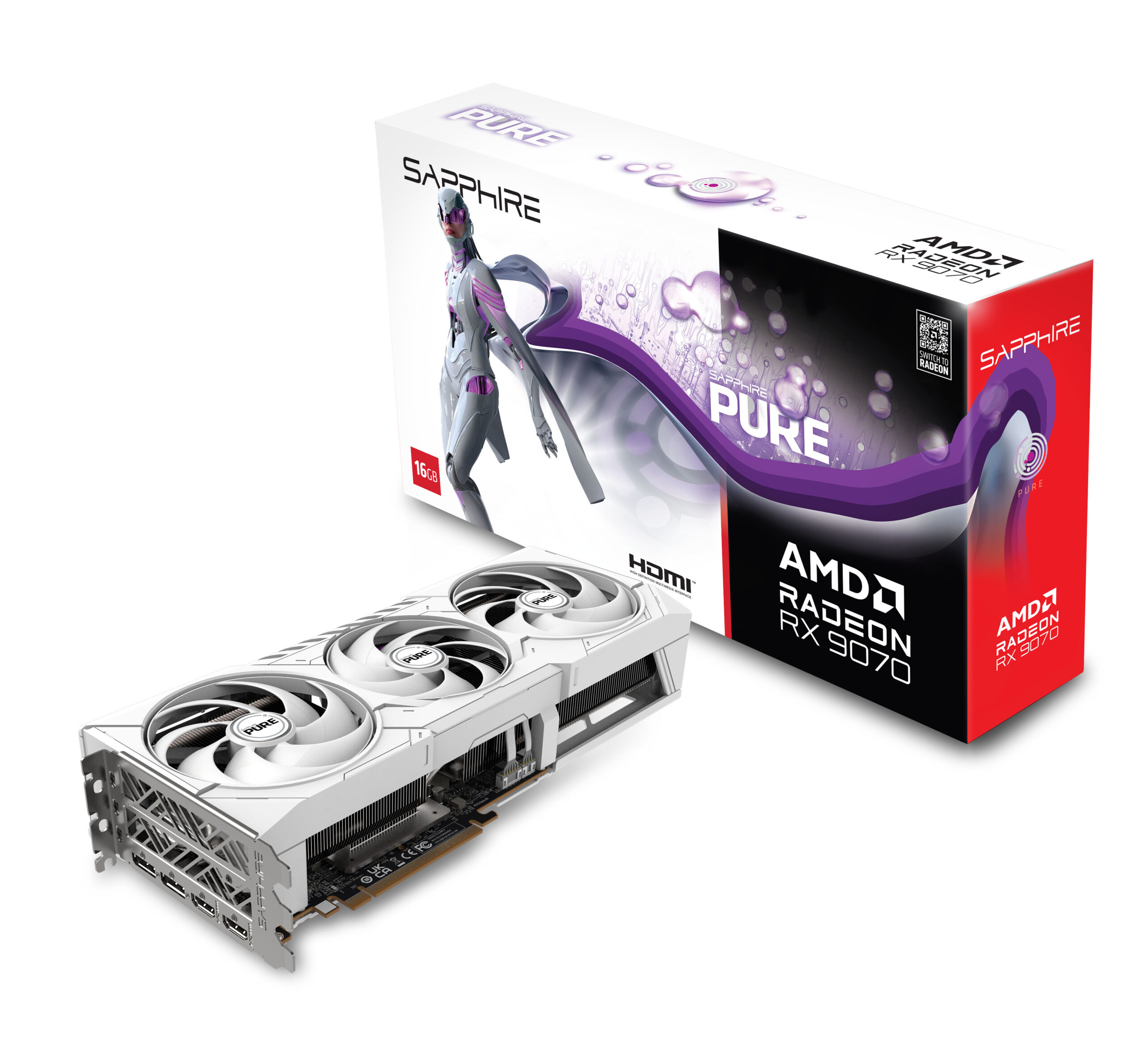
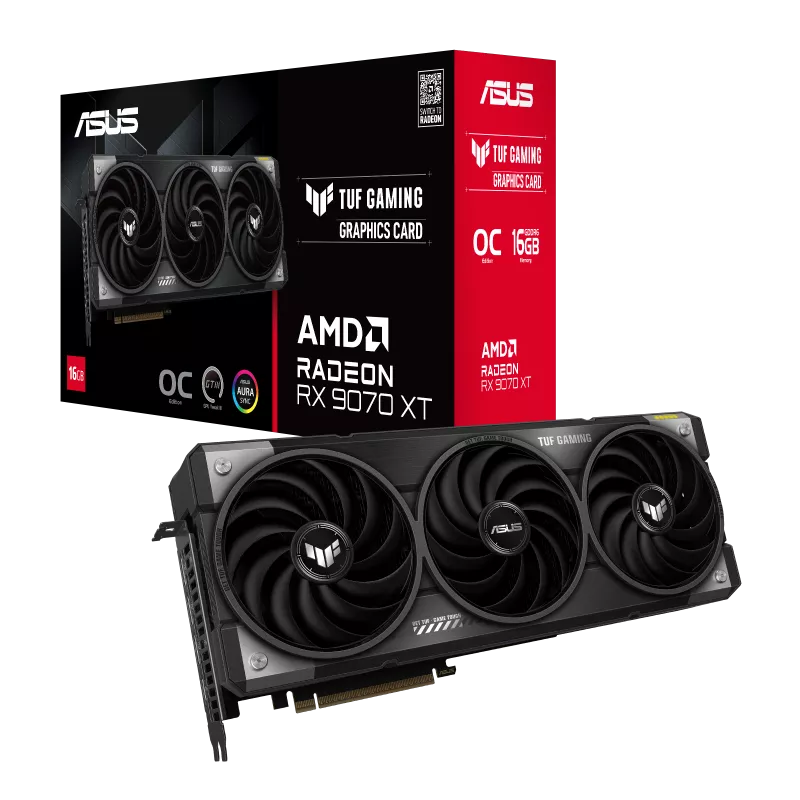
RX 9070 XT Review: Is it really future proof?
Best 1440p GPUs for Gaming in 2026
RTX 5060 Review: Is 8gb VRAM enough in 2026
Best GPUs for 1080p gaming in 2026
Is RTX 4060 it still worth buying in 2026?
RTX 5060 vs RX 9060 XT: Which is the best 1080p GPU
RTX 4070 review: Is it worth buying in 2026?
Samsung 990 Pro SSD review 2026
Logitech Superlight G Pro X Review
As an Amazon Associate I earn from qualifying purchases

Leave a Reply