
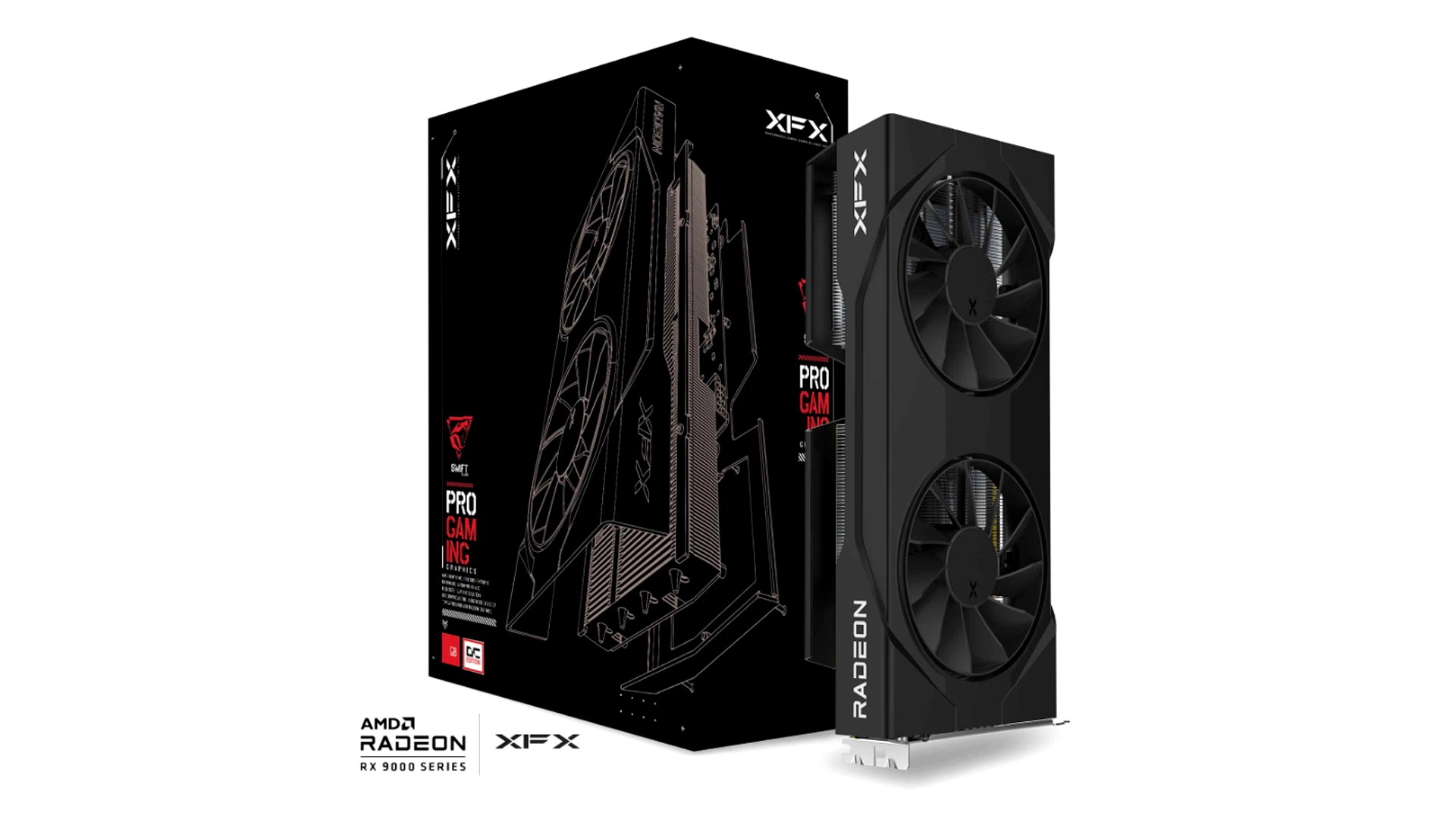
Is the 16GB model worth the cash? Our RX 9060 XT review breaks down gaming benchmarks, real power efficiency, and future-proof value vs Nvidia. does this sound good
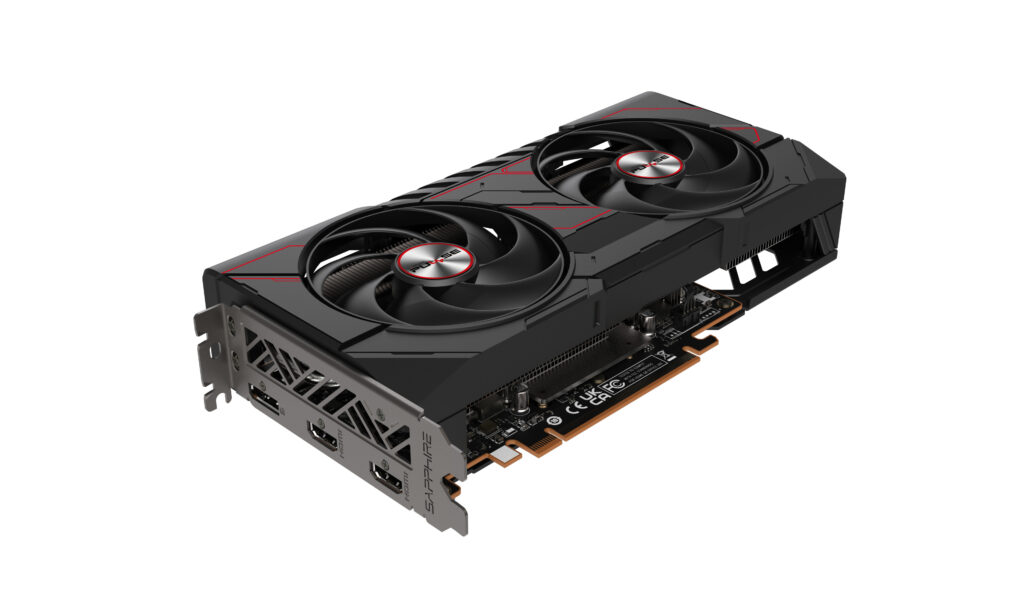
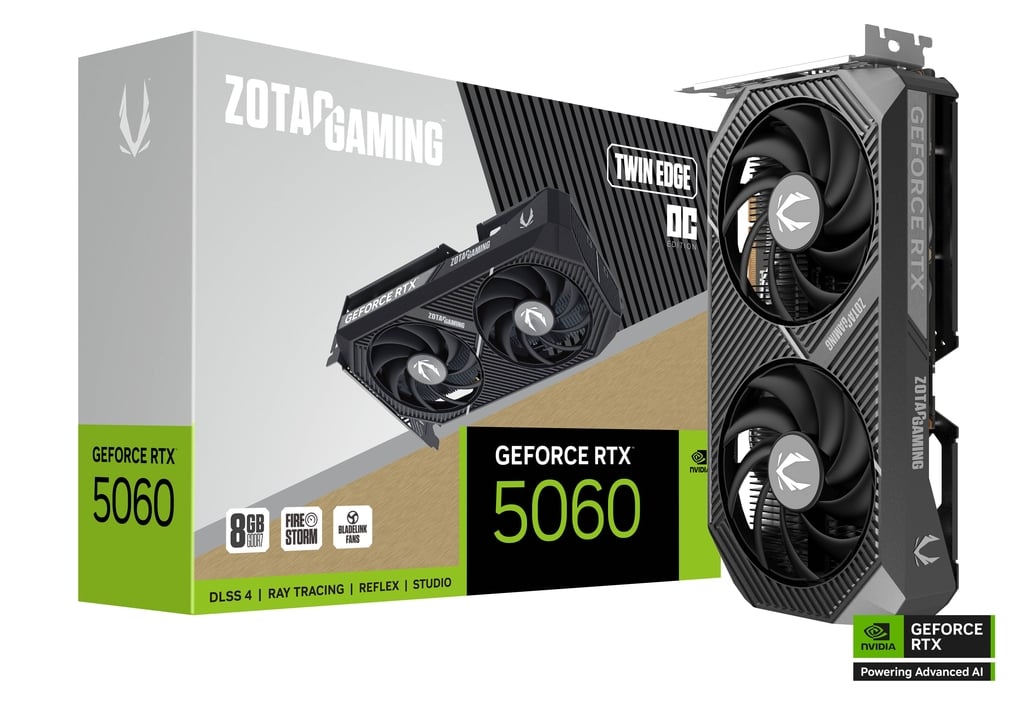
At around $349-399 depending on the model, the RX 9060 XT is AMD’s new mid-range GPU and people started talking about it almost immediately. The reason is simple really — 16GB VRAM. Meanwhile Nvidia launched the RTX 5060 with only 8GB, which already made a lot of people annoyed before the card even released.
And once benchmarks started coming out, the RX 9060 XT looked even better. In a lot of games it just gets more FPS than the RTX 5060 while costing around the same price. Thats the main reason this card got so much attention this fast.
In this RX 9060 XT review, we’re going to take an honest look at whether AMD finally built the exact mid-range card gamers have been begging for
What is the RX 9060 XT
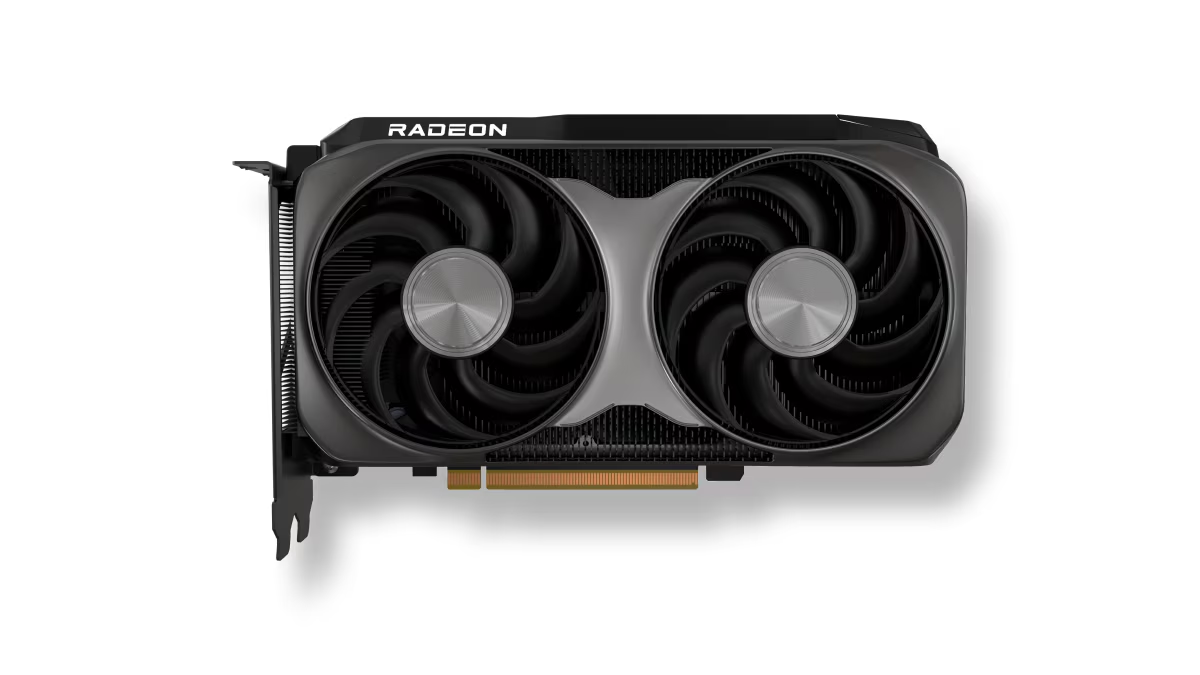
The RX 9060 XT is AMD’s newer mid-range GPU built on the RDNA 4 architecture. It sits in the same category as Nvidia’s RTX 5060, but AMD clearly went with a different direction here.
The main focus with this card is pretty obvious once you look at the specs — more raw gaming performance and way more VRAM for the money. Thats why the 16GB VRAM became such a huge talking point almost immediately after the card got announced. A lot of people were already annoyed seeing Nvidia still use only 8GB on the RTX 5060.
Then benchmarks started showing up and the RX 9060 XT got even more attention. In a lot of games, it simply performs better than the RTX 5060 while costing around the same price. Thats basically why this GPU became such a big deal this quickly in the mid-range market.
Key Specs
| Spec | RX 9060 XT |
|---|---|
| VRAM | 16GB GDDR6 |
| Architecture | RDNA 4 |
| TDP | ~220W |
| FSR | FSR 4 |
| Ray Tracing | Yes |
| Release Year | 2025 |
| Price | $349–399 |
The 16GB VRAM is easily the first thing people notice with this card. Most GPUs around this price are still using 8GB, so AMD putting 16GB here immediately made the RX 9060 XT stand out more. And with the newer RDNA 4 architecture helping, the card ends up performing really well in a lot of modern games. The power draw is higher than the RTX 5060, but thats pretty expected considering AMD is clearly pushing more raw performance with this GPU.
Price
The RX 9060 XT usually sells around $349-399, depending on the brand and model you get. Simpler dual-fan versions are normally cheaper, while bigger triple-fan cards from ASUS, Sapphire, or XFX cost a bit more. Most people are mainly buying the 16GB version, since thats kinda the whole point of this GPU in the first place.
There were rumors about lower VRAM variants early on, but the 16GB models are the ones getting most of the attention right now.
Compared to the RTX 5060, AMD is basically giving you way more VRAM , sure it is a little more pricey but I personally believe that the price gap is not big at all considering how much different is between 8gb and 16gb VRAM . More VRAM and usually more FPS too, which is why a lot of people started seeing the RX 9060 XT as the better value option almost immediately.
Check best deal on Amazon here
1080p Gaming
This is where the RX 9060 XT starts looking kinda crazy for the price honestly. For pure 1080p gaming, the card is way more powerful than what most people probably even need right now. Esports games run at extremely high FPS, and even heavy AAA games stay smooth on high or ultra settings pretty easily.
AMD clearly focused on raw gaming performance with this GPU and you can notice it immediately once benchmarks started showing up. In a lot of games, the RX 9060 XT simply performs better than the RTX 5060 while costing around the same money. Thats basically the whole reason this card got so popular this quickly.
The 16GB VRAM pays a vital role, specially in newer games. Some modern AAA titles are already using way more memory than older 8GB cards are comfortable with, especially with ultra textures enabled. With this GPU, thats much less of a problem.
FSR 4 is here too. It still doesnt look quite as clean as DLSS in some games, but its definitely better than older FSR versions and helps boost FPS nicely when supported.
| Game | Average FPS |
|---|---|
| Valorant | 300–400 FPS |
| CS2 | 240–320 FPS |
| Fortnite | 160–220 FPS |
| Apex Legends | 190–260 FPS |
| Cyberpunk 2077 | 100–120 FPS |
| Hogwarts Legacy | 90–110 FPS |
| Warzone | 130–160 FPS |
| Red Dead Redemption 2 | 115–135 FPS |
| Spider-Man 2 | 110–140 FPS |
| Starfield | 85–105 FPS |
| GTA V Enhanced | 180–240 FPS |
| Forza Horizon 5 | 150–190 FPS |
Note: Esports titles are CPU dependent — these numbers assume a modern mid-range CPU.
At pure 1080p gaming, the RX 9060 XT feels like one of those cards where you stop worrying about settings completely. Most games just run very well without needing much tweaking
Also read : Best GPUs for 1080p gaming in 2026
1440p Gaming Performance
Unlike the RTX 5060, the RX 9060 XT actually handles 1440p gaming pretty well. This isnt one of those situations where the card can barely run 1440p if you lower everything. A lot of games genuinely run smooth at high settings, and in many cases ultra textures are completely usable too.
The 16GB VRAM helps a lot here. Thats probably the biggest reason this card feels much more comfortable at 1440p compared to most 8GB GPUs right now. Newer AAA games are already using a crazy amount of VRAM once you move past 1080p, specially with higher textures enabled.
| Game | Average FPS |
|---|---|
| Cyberpunk 2077 | 75–95 FPS |
| Hogwarts Legacy | 80–100 FPS |
| Warzone | 110–140 FPS |
| Red Dead Redemption 2 | 95–115 FPS |
| Spider-Man 2 | 90–120 FPS |
| Starfield | 70–90 FPS |
| Forza Horizon 5 | 110–140 FPS |
| Resident Evil 4 Remake | 100–130 FPS |
| Assassin’s Creed Shadows | 75–95 FPS |
| Alan Wake 2 | 60–80 FPS |
Games like Cyberpunk, Spider-Man 2, Forza Horizon 5, stuff like that all run surprisingly well at 1440p on this card. You still might need to tweak settings a little depending on the game, but nowhere near as much as cards with only 8GB VRAM.
This still isnt some ultra high-end enthusiast GPU for maxed out ray tracing at 1440p though. Heavy RT settings can still hit performance pretty hard. But for normal 1440p gaming, the RX 9060 XT is genuinely very good.
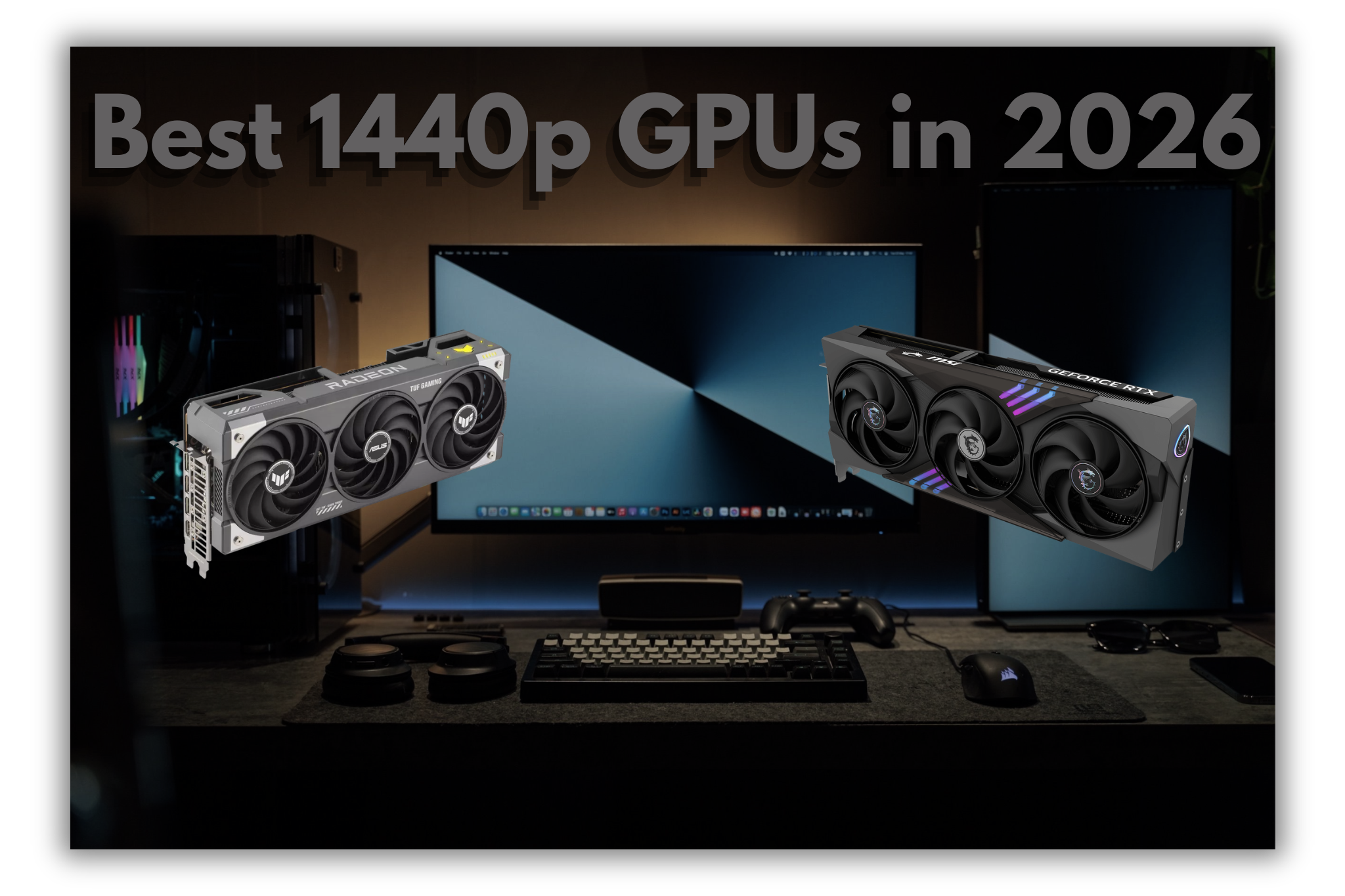
Also read: Best 1440p GPUs for Gaming in 2026
FSR 4 and AMD features
FSR 4, in supported games can boost FPS pretty nicely and compared to older FSR versions, the image quality is much better now. Earlier versions sometimes looked soft or messy during movement, but AMD improved that quite a bit here.
AMD also added things like AFMF2 (AMD Fluid Motion Frames), Anti-Lag 2, and HYPR-RX. AFMF helps generate extra frames for smoother gameplay, while Anti-Lag 2 tries reducing input delay, specially in competitive games like Warzone or Apex. HYPR-RX is more like AMD bundling multiple performance features together into one easy toggle, which is actually useful for people who dont wanna manually tweak every setting.
But Frame Generation only really feels good in certain situations. The sweet spot is usually when your base FPS is already around 70 or higher before enabling it. If the game is only running at like 50-60 FPS normally, Frame Generation can still increase the number you see on screen, but input lag can feel worse than expected. Thats why sometimes “120 FPS” doesnt always feel as smooth as people expect with FG enabled.
Nvidia still does better here overall though. DLSS usually looks cleaner during movement and Frame Generation feels a bit more polished too. But the RX 9060 XT already performs strong enough in native gaming that it doesnt rely on these features nearly as much as weaker GPUs do.
RX 9060 XT vs RTX 5060
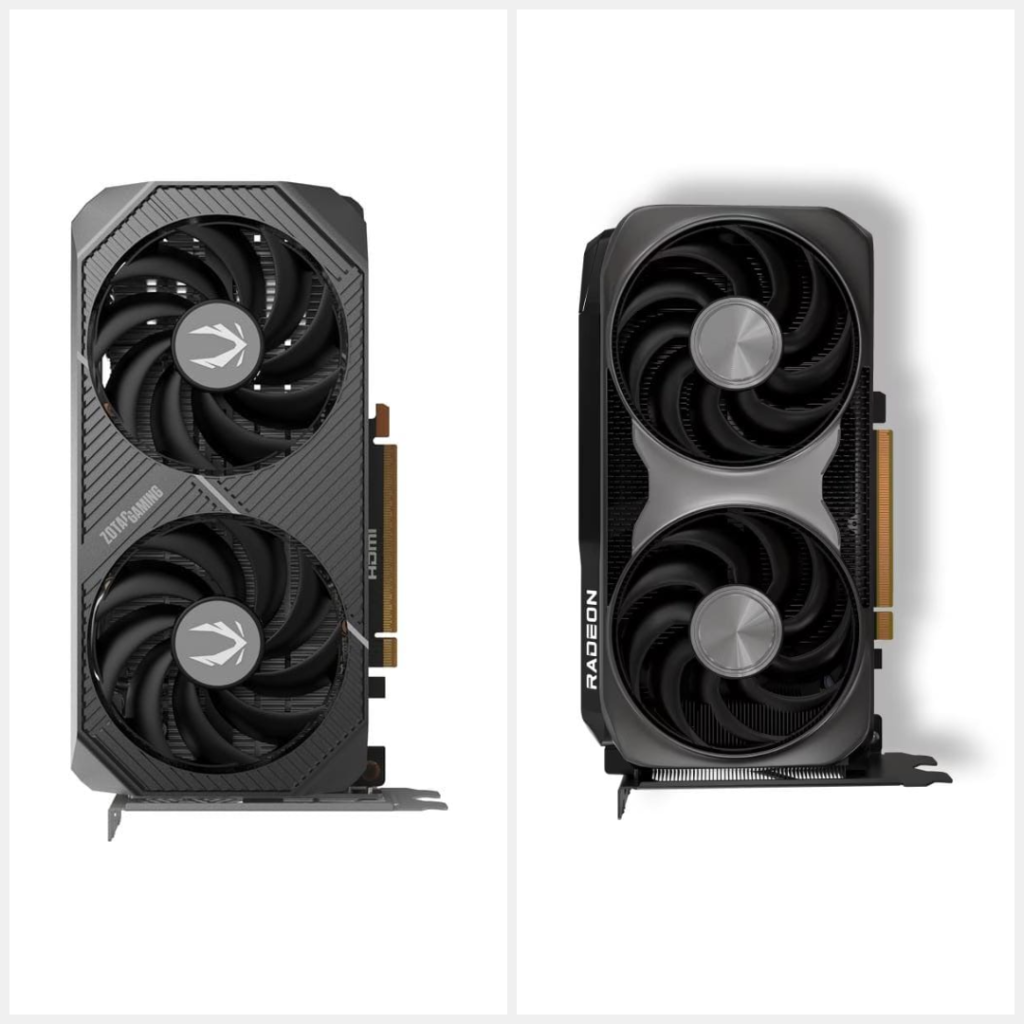
This is probably the comparison most people actually care about right now because both cards sit around a pretty similar price range. But once you start looking at benchmarks, the RX 9060 XT usually comes out ahead in normal gaming performance.
| Game | RX 9060 XT | RTX 5060 |
|---|---|---|
| Cyberpunk 2077 (1080p Ultra) | 102 FPS | 84 FPS |
| Hogwarts Legacy (1080p Ultra) | 95 FPS | 76 FPS |
| Warzone (1080p) | 142 FPS | 118 FPS |
| Red Dead Redemption 2 | 117 FPS | 96 FPS |
| Spider-Man 2 | 121 FPS | 98 FPS |
| Forza Horizon 5 (1440p) | 117 FPS | 92 FPS |
| Starfield | 89 FPS | 71 FPS |
| Alan Wake 2 | 74 FPS | 59 FPS |
The raw FPS difference isnt tiny either. In some games the RX 9060 XT is ahead by a noticeable amount, specially once you move into heavier AAA titles. Then theres the VRAM, which is the reason this card why many people consider this card over the RTX . The RX 9060 XT comes with 16GB VRAM, while the RTX 5060 only has 8GB. For modern AAA games, thats a massive difference.
Therefore it can be considered much more future proof than the RTX 5060 as you can already see newer games starting to use more than 8GB pretty easily once ultra textures gets involved. Thats where the RX 9060 XT starts feeling much more comfortable long term.
But Nvidia still has many advantages too. DLSS still looks cleaner than FSR in most games, specially during movement. Frame Generation also feels slightly more polished overall. Ray tracing is another easy Nvidia win because AMD cards still lose quite a bit more FPS once RT gets enabled.
Drivers are interesting now because AMD improved alot compared to a few years ago. But Nvidia still feels slightly safer sometimes, specially on launch day for newer games.
It all comes down to preference really , if you prefer raw power, VRAM and FPS, go for the RX 9060 XT but if you care more about features , ray tracing and software ecosystem, go for the RTX 5060
If you want raw FPS and more VRAM → RX 9060 XT.
If you care more about DLSS, ray tracing, and Nvidia’s software ecosystem → RTX 5060.
Also check our review on RTX 5060 here
PSU Requirements and CPU Pairing
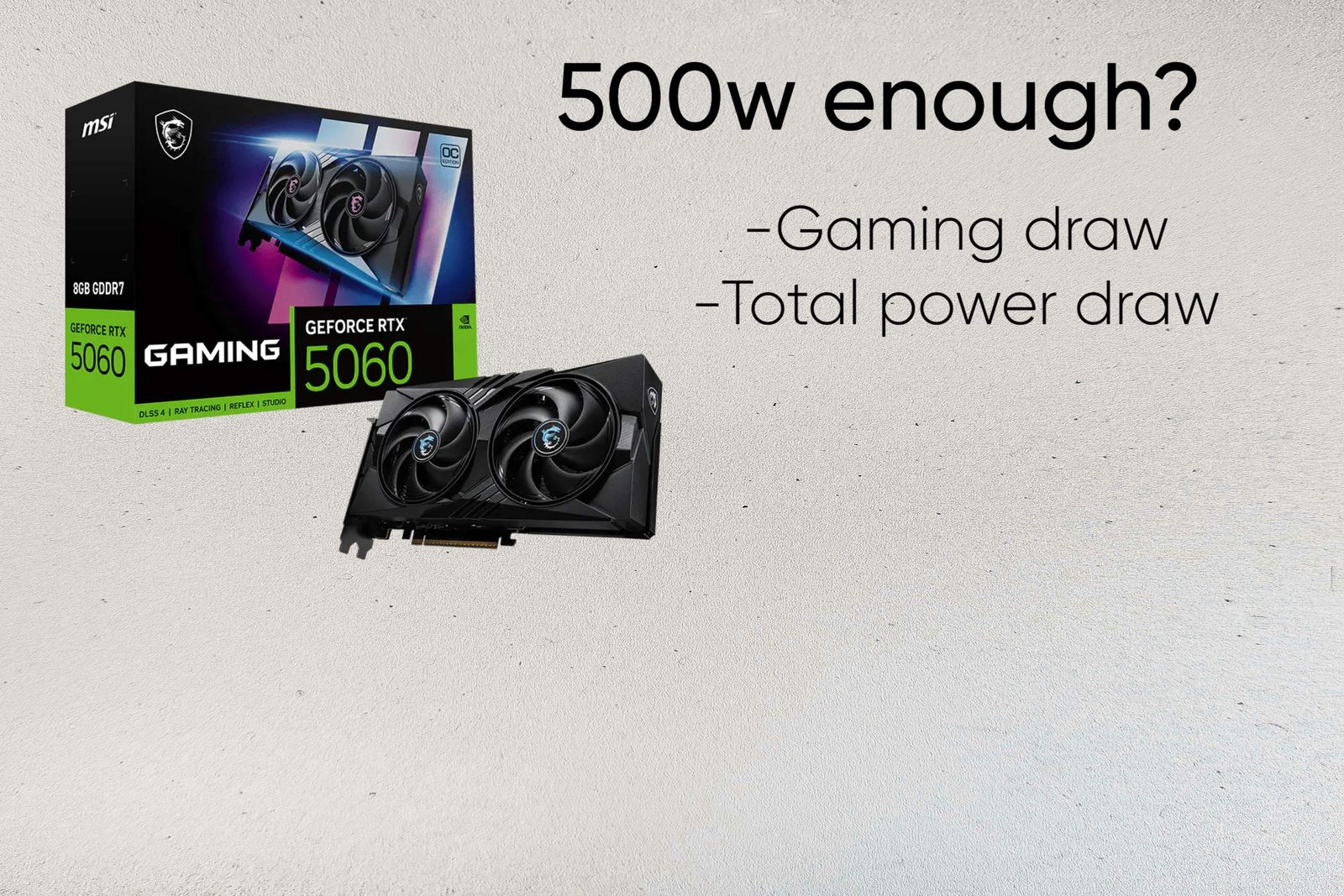
One thing that surprised a lot of people during the RX 9060 XT review testing was the power efficiency. Even though the card performs really strong in games, the stock power draw is only around 160W, which is actually pretty low for this level of performance. Some factory overclocked models from Sapphire or XFX pull a bit more power, but still nowhere near high-end GPU territory.
AMD officially recommends a 450W PSU, though realistically a good 550W power supply is the sweet spot for most gaming builds using this card. If you plan on future upgrades or pairing it with a higher-end Intel CPU, then going 650W isnt a bad idea either.
Cooling mostly depends on the model you buy. Smaller dual-fan cards can run warmer during long gaming sessions, while bigger triple-fan versions from Sapphire, XFX, or ASUS stay noticeably cooler and quieter.
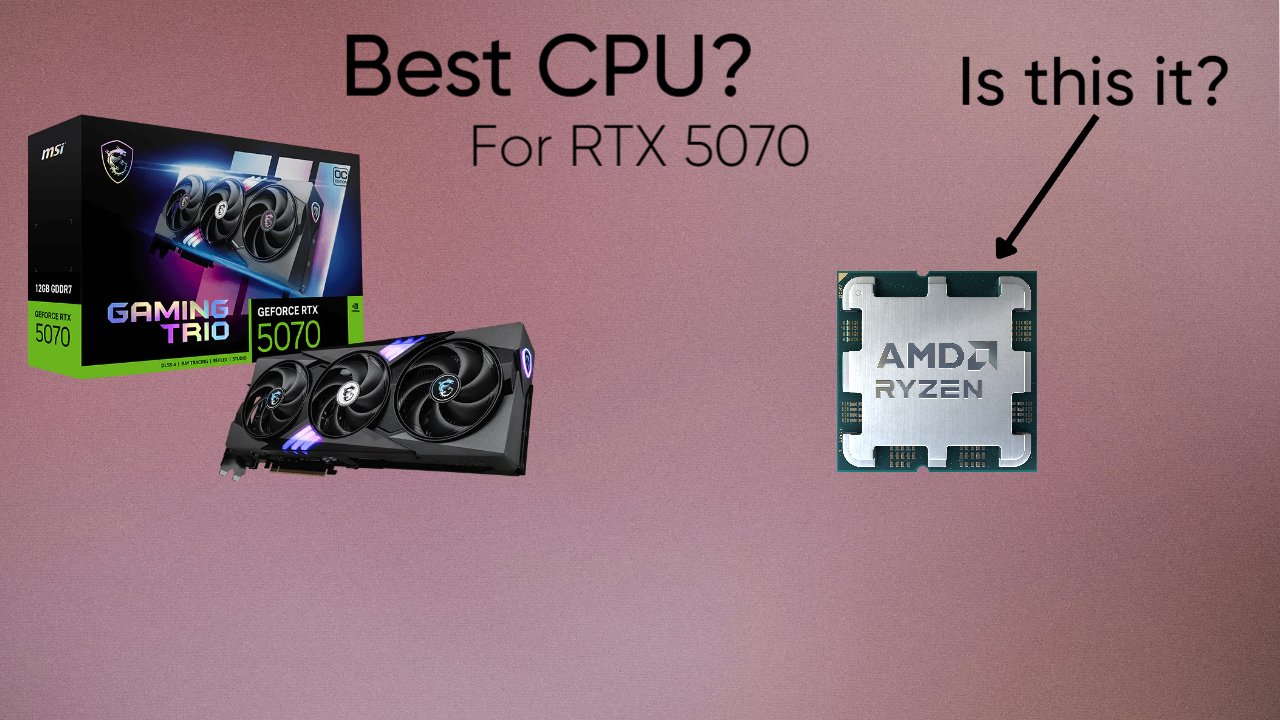
For CPU pairing, the RX 9060 XT works great with CPUs like the Ryzen 5 7600, Ryzen 7 7700, or Intel i5-13600K. Even older chips like the Ryzen 5 5600 still hold up surprisingly well with this GPU.
Who Should Buy the RX 9060 XT?
The RX 9060 XT makes the most sense if you’re looking at cards like the RTX 5060 and immediately thinking, “I wish this had more VRAM.”
A lot of the discussion around mid-range GPUs in 2026 comes back to memory, and that’s where the RX 9060 XT stands out. Games aren’t getting any lighter, and cards with 8GB of VRAM are starting to feel more restrictive than they did a few years ago. If you play demanding games like Cyberpunk 2077, Starfield, Alan Wake 2, or Hogwarts Legacy, having extra VRAM gives you more flexibility with texture settings and future releases.
I’d also lean toward the RX 9060 XT if you’re planning to keep your next GPU for a while. It’s the kind of card that feels comfortable at both 1080p and 1440p, and you don’t spend as much time wondering whether you’re about to hit a memory limit.
Who Should NOT Buy the RX 9060 XT?
The easiest reason to skip the RX 9060 XT is that you already know you want Nvidia.
If ray tracing is a major selling point for you, Nvidia is still ahead in a lot of games. The same goes for DLSS and Frame Generation. Some people also just prefer Nvidia’s software ecosystem, whether that’s for streaming, content creation, or simply because it’s what they’re already used to.
I don’t think the RX 9060 XT loses this comparison on gaming performance.
The question is whether gaming performance is the thing you care about most.
Final Verdict
The RX 9060 XT feels like AMD finally made the kind of mid-range GPU people were asking for the last few years. Instead of relying mostly on software features, AMD focused on giving this card alot of raw gaming performance and enough VRAM that people probably wont need to worry about textures or memory limits anytime soon.
And thats really the biggest reason this GPU got so much attention this quickly. The 16GB VRAM changes the whole conversation around the card, specially when the RTX 5060 still only comes with 8GB at a similar price.
The RTX 5060 still has advantages though. DLSS looks better than FSR overall, ray tracing performance is stronger, and Nvidia’s software side still feels more polished in general.
But purely for gaming value, the RX 9060 XT is very hard to ignore. More FPS in alot of games, way more VRAM, decent efficiency, and surprisingly good 1440p performance too.
Check current RX 9060 XT prices on Amazon
FAQ
Is RX 9060 XT good for 1080p gaming?
Yeah, easily. The RX 9060 XT is actually one of the strongest GPUs for 1080p gaming right now in this price range. Esports games run at very high FPS, and even heavier AAA games like Cyberpunk or Hogwarts Legacy stay smooth at high or ultra settings.
Is 16GB VRAM overkill?
Right now for pure 1080p gaming, maybe a little. But newer AAA games are already starting to use a lot more VRAM than older games did, specially with ultra textures enabled. Thats why many people see the 16GB VRAM as one of the biggest advantages of this card long term.
RX 9060 XT vs RTX 5060 — which is better?
For raw gaming performance and VRAM, the RX 9060 XT is just better. In alot of games it simply gets more FPS while also having double the VRAM. The RTX 5060 still wins in things like DLSS, ray tracing, and overall software polish.
Is FSR 4 actually good?
Compared to older FSR versions, yes its much better now. Image quality improved alot and Frame Generation works very well in supported games. DLSS still looks cleaner overall, but FSR 4 is finally at the point where most people wouldnt call it bad anymore.
Is RX 9060 XT good for 1440p gaming?
Yes, much better than alot of people expected actually. The 16GB VRAM helps alot at 1440p because newer games can use a ton of memory at higher settings. This still isnt some ultra high-end 4K ray tracing card, but for normal 1440p gaming the RX 9060 XT performs very well.
Also read
RTX 5060 Review: Is 8gb VRAM enough in 2026
RTX 5070 vs RTX 4070: Should you upgrade?
RTX 4070 Ti SUPER vs RTX 5070: Which offers better value?
RTX 5070 ti vs RTX 5070: Worth the Extra Money?
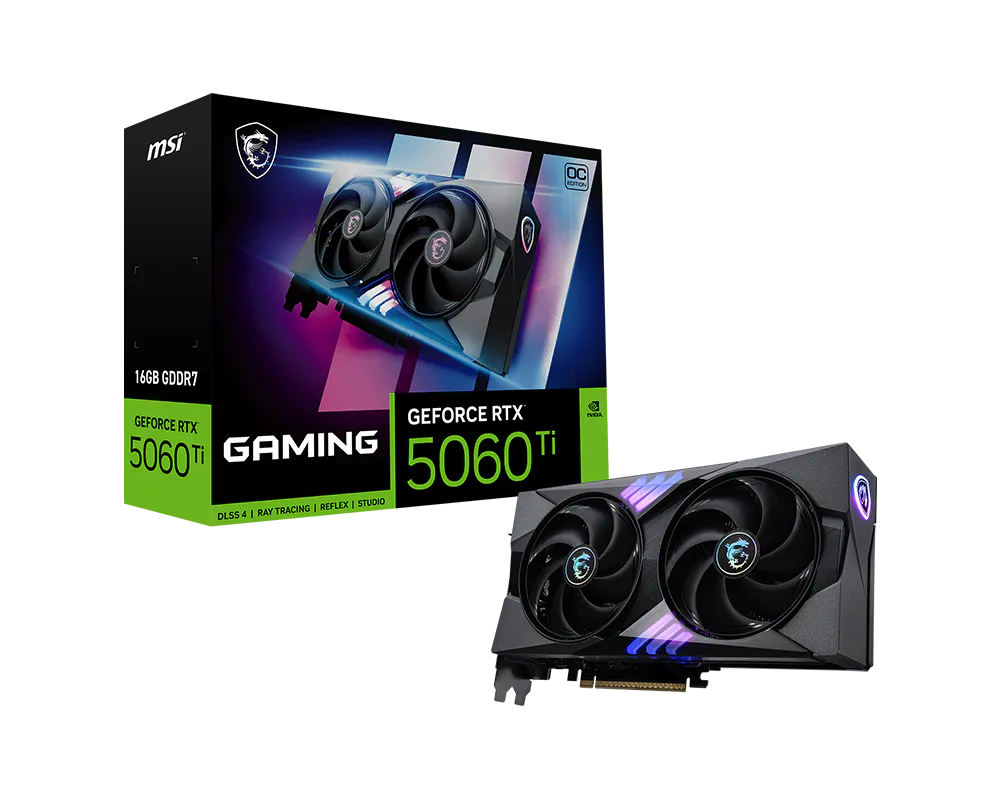
Is the RTX 5060 Ti good for 1440p gaming
Best GPUs for 1080p gaming in 2026
Is RTX 4060 it still worth buying in 2026?
RTX 5060 vs RX 9060 XT: Which is the best 1080p GPU
RTX 5060 ti vs RX 9060 XT: Is NVIDIA worth paying $100 more?
Intel Arc B580 vs RTX 5060: Don’t buy until you read this
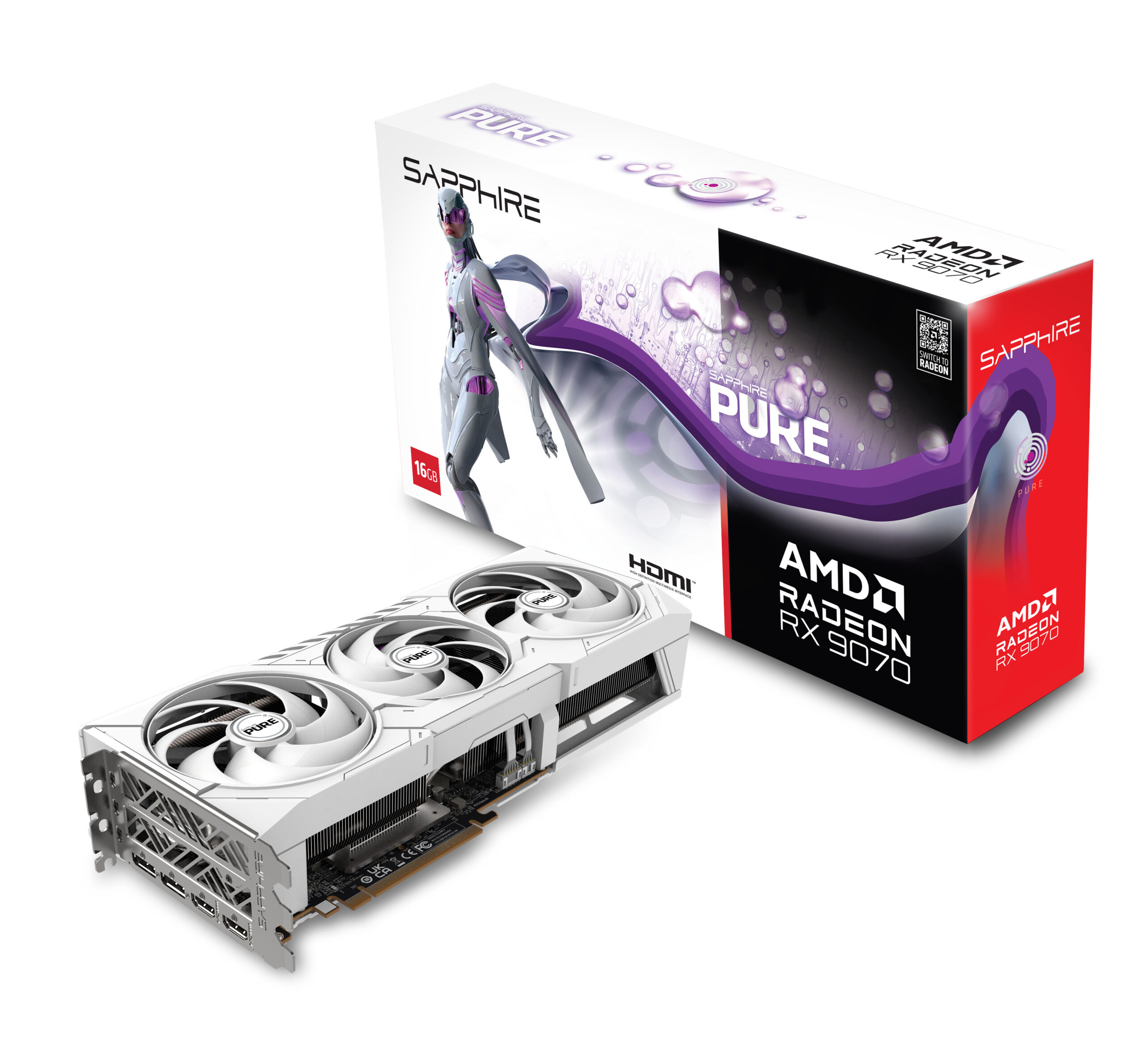
RX 9070 review: Is it REALLY worth your money?
RX 9070 XT Review: Is it really future proof?
Best 1440p GPUs for Gaming in 2026
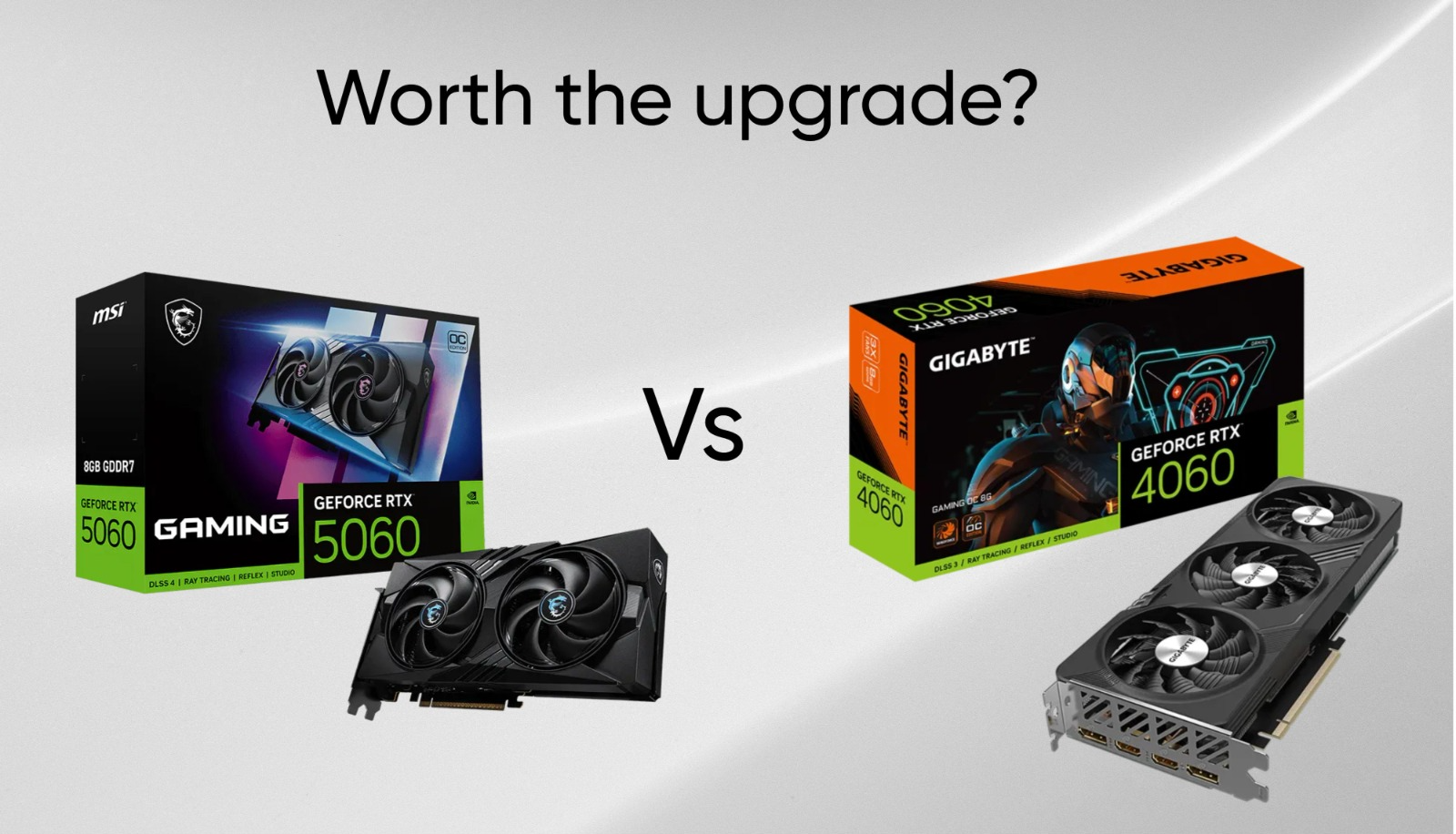
RTX 5060 vs RTX 4060: Is it worth the upgrade?
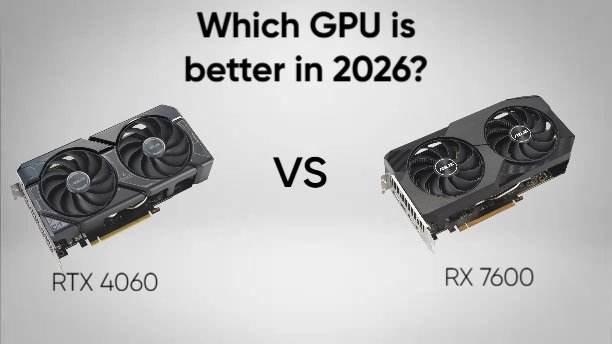
RTX 4060 vs RX 7600: Which is the better buy in 2026?
RTX 5070 review: The best 1440p GPU in 2026?
RTX 4070 review: Is it worth buying in 2026?
Samsung 990 Pro SSD review 2026
Logitech Superlight G Pro X Review
As an Amazon Associate I earn from qualifying purchases

Leave a Reply